
LONDON, April 1, 2026, 13:10 BST
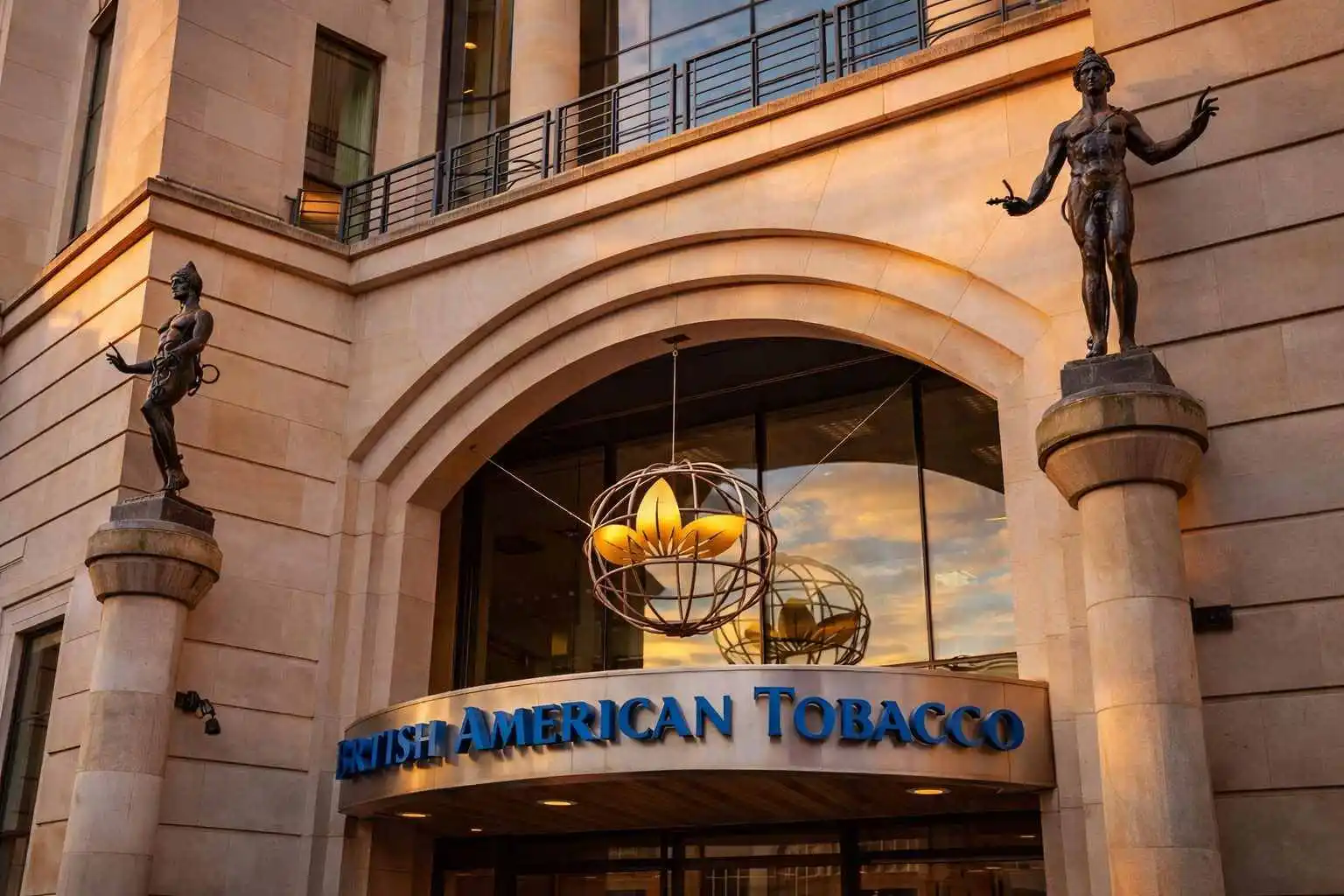
British American Tobacco’s attempt to ramp up Velo nicotine pouch sales in the U.S. has hit a snag with regulators. Reuters said Wednesday that the U.S. Food and Drug Administration still hasn’t signed off on multiple products under a fast-track process, which had been expected to wrap up decisions by end-2025. BAT’s applications remain in limbo.
Timing is key for BAT right now. The company’s counting on its smoke-free lineup—nicotine pouches, vapes, heated-tobacco—to offset the drag from falling cigarette sales. Back in February, BAT flagged that 2026 results would probably arrive at the lower boundary of its medium-term growth targets, despite 2025 shaping up to hit the top end of its guidance.
BAT’s focus is locked on the U.S. Chief Executive Tadeu Marroco, in prepared comments at a February investor conference, called the market the “cornerstone” of BAT’s strategy. Reynolds American, BAT’s U.S. subsidiary, reported that Velo Plus closed out 2025 with a 24% volume share nationwide, reaching roughly 5 million adult nicotine users. BAT
The FDA kicked off its nicotine pouch pilot back in September, aiming to move premarket tobacco product applications—known as PMTAs—through the system faster. Those filings have to be approved before any new tobacco products hit the U.S. market. According to the agency, the pilot’s focus is efficiency, but it’s not letting up on scientific rigor.
Six Altria-backed on! PLUS pouches got the FDA’s green light in December—the first products to clear this particular process. At the time, acting tobacco head Bret Koplow commented that “rigorous and efficient standards of scientific review are not mutually exclusive.” BAT, for its part, insisted this week that its submissions should also get the nod, saying it remains in talks with the agency. U.S. Food and Drug Administration
BAT is still trailing Philip Morris International’s Zyn, which holds the top spot in the market. Back in February, Marroco told analysts he felt “extremely encouraged” about how Velo was doing in the U.S. The company’s own investor slides put Velo down as the fastest-growing brand in what they call the fastest-growing nicotine pouch segment. Reuters
BAT isn’t easing up—and the numbers spell out why. Revenue from new categories, including vapes, pouches and heated tobacco, climbed 7% at constant currency in 2025, reaching 3.621 billion pounds; that’s now 18.2% of group revenue. Marroco singled out Velo Plus in the U.S., calling its triple-digit growth “excellent results.” BAT
The overhang hasn’t cleared. FDA scientists, Reuters said, paused over certain pouch applications citing concerns about youth addiction and fresh users—though the agency maintains its pilot reviews remain ahead of the usual timeline. BAT, meanwhile, flagged illicit vapes in the U.S. along with mounting fiscal and regulatory hurdles in Australia and Bangladesh, indicating that 2026 growth will likely tilt toward the second half.
BAT’s risk here is straightforward. If the FDA gets slower or cracks down, Velo faces tighter constraints, squeezing its growth potential and complicating BAT’s push into smoke-free territory. That’s despite BAT holding firm on its 1.3 billion pounds 2026 buyback, and still projecting leverage will hit the target by year-end.