SYDNEY, March 21, 2026, 08:30 AEDT
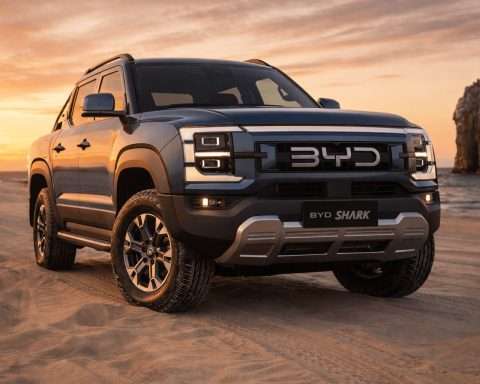
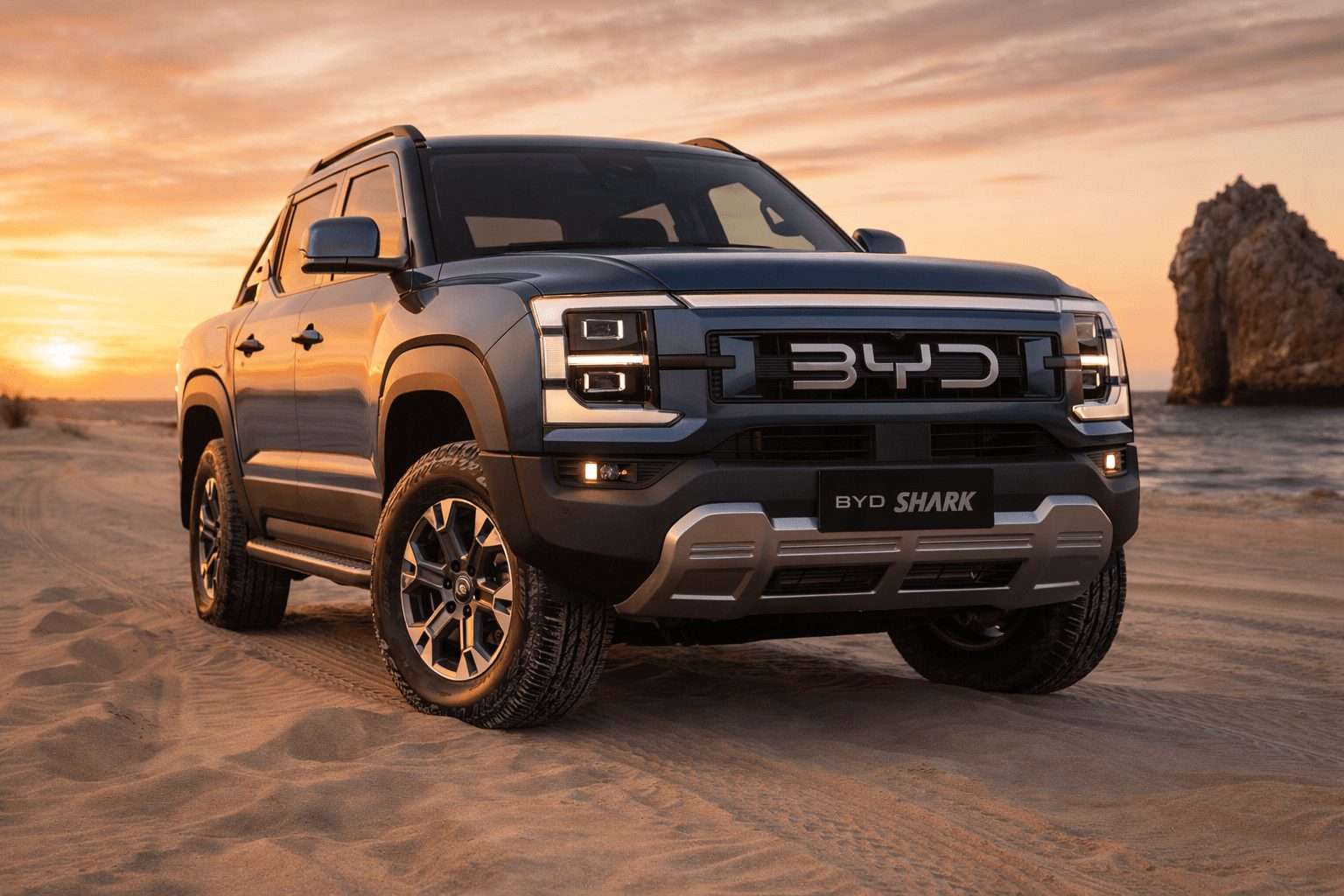
BYD is shaping up as one of the biggest early winners from Australia’s new vehicle emissions scheme, with regulator data showing its local entities held 6.28 million tradable units as of March 13 and BDO estimating those credits could be worth A$562 to A$972 per imported vehicle. The gain comes as Drive reported on Friday that the cab-chassis version of BYD’s Shark 6 ute had arrived in Australia. 1
The timing matters because BYD is leaning harder on overseas markets as competition and slower demand bite in China. Reuters reported the automaker targeted 1.3 million overseas shipments this year, while Australia has opened a tradable market under its New Vehicle Efficiency Standard, or NVES, and Europe remains central to BYD’s effort to cut exposure to EU tariffs on China-made electric cars. 2
NVES is Australia’s rule that caps the average carbon dioxide emissions of each brand’s new passenger and light commercial vehicles. A government release in February said the first reporting period created a net surplus of 15.9 million units, effectively launching a tradable market, while the regulator’s latest table showed BYD ahead of Toyota and Tesla on holdings. 3
CarExpert said BDO’s early scoreboard put Toyota at 2.89 million units and Tesla at 2.21 million, while Mazda and Nissan were in deficit. Sam Venn, automotive partner at BDO, said Chinese brands accounted for 24% of Australia’s market in the first two months of 2026, up from 14% a year earlier. 4
The Shark 6 move suggests BYD is pushing beyond private buyers and into one of Australia’s biggest commercial vehicle segments: fleet utes. Earlier pricing reports pegged the cab-chassis at A$55,900 before on-road costs, below the current Shark 6 Premium, and retaining the same 321kW plug-in hybrid system — a setup that combines a chargeable battery with a petrol engine — and 2,500-kg braked towing capacity. 5
Fleet is “one of the key markets of opportunity”, BYD Australia Chief Operating Officer Stephen Collins told Australian media in February, noting that about 35% of all new-vehicle sales are fleet. That push puts BYD more directly against entrenched names such as Toyota’s HiLux and Ford’s Ranger. 6
The Australian upside comes against a rougher backdrop in Europe. EUalive, citing Hungarian investigative outlet Átlátszó, reported that video from BYD’s Komárom site showed ready-to-drive vehicles arriving from China and then being taken apart and rebuilt locally, a process akin to CKD, or completely knocked-down assembly, where vehicles are shipped in parts and assembled on site. EUalive said BYD had not publicly commented on the specific claims. 7
That matters because the European Commission imposed definitive countervailing duties on China-made battery electric cars in late 2024, including 17% on BYD, on top of the bloc’s standard 10% car import duty. Reuters has reported BYD is building a 4 billion euro plant in Szeged, Hungary, to support tariff-free sales into Europe, though mass production was pushed into 2026 and the site is expected to start below its planned 150,000-vehicle annual capacity. 8
But neither track is risk-free. In Europe, BYD is already dealing with EU tariffs and had already faced an EU subsidy probe last year, so the Komárom allegations could add to pressure on its localisation strategy. In Australia, BDO warned that if brands lean harder into EVs than buyers are ready for, dealers could end up with higher holding costs, more discounting and weaker front-end margins. 9
Venn said the rush to add Chinese brands to dealer networks was “not sustainable. It’s as simple as that.” BYD, though, enters that next stretch with one of Australia’s biggest credit surpluses and a ute lineup moving closer to the fleet market.