Los Angeles, March 9, 2026, 13:37 PDT
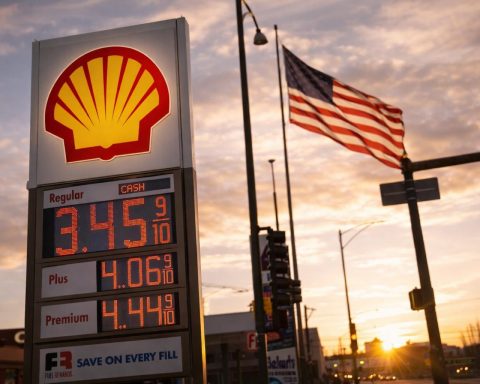
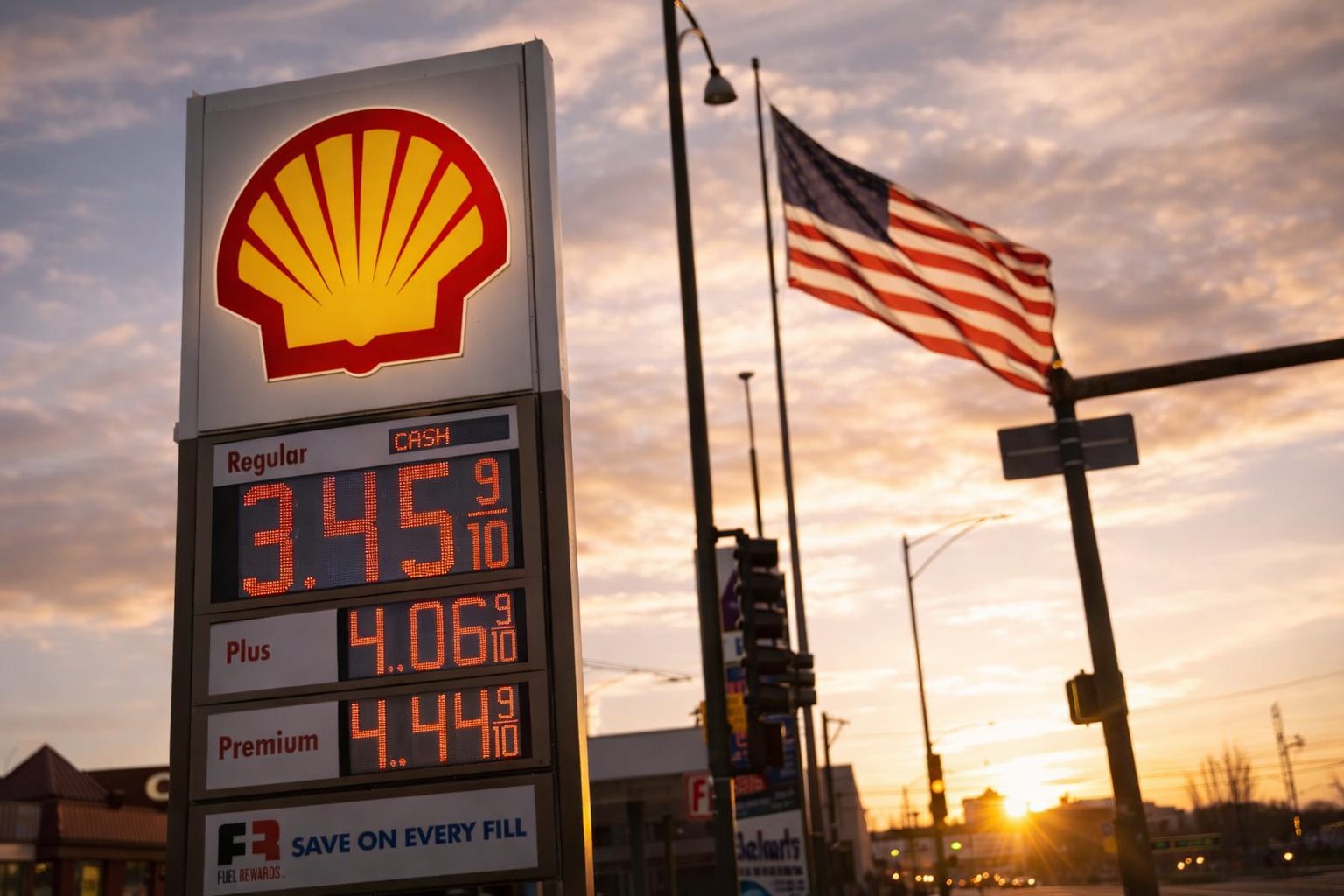
On Monday, regular gas in California averaged $5.204 a gallon, according to AAA, as surging crude prices after the Iran war drove a bigger divide with the national average. For the U.S. overall, drivers paid $3.478 per gallon. 1
Oil’s spike to nearly $119 a barrel on Monday — a level not seen since mid-2022 — has prompted Washington and G7 leaders to weigh emergency measures aimed at calming energy markets. Traders, according to IG’s Tony Sycamore, aren’t seeing a clear exit from the conflict. That keeps supply concerns front and center. 2
California regular jumped 54.7 cents in just a week. The national average isn’t far behind, tacking on 48.1 cents. Washington sits at $4.630, Hawaii at $4.523—both expensive, but neither touches California. 1
There could be more strain ahead. GasBuddy’s Patrick De Haan flagged a possible national average of $3.50 to $3.70 “in the coming days” if crude continues its run and supply headaches don’t ease. Siebert Financial CIO Mark Malek pointed to gasoline’s “psychologically powerful” role—drivers confront those numbers on the pump every day. 3
The national average price at the pump spiked by almost 27 cents over the week ending March 5, according to AAA—marking the steepest weekly rise since the start of the Russia-Ukraine conflict back in 2022. This surge reflects both a climb in crude prices and the seasonal switch to summer-grade gasoline, a pricier fuel blend mandated for warmer months because of its lower volatility. 4
California faces heavier exposure than most states. According to the U.S. Energy Information Administration, drivers there pay the nation’s steepest gasoline taxes and fees—roughly 90 cents per gallon in March 2025. Environmental rules tack on up to 54 cents more. Only a handful of refineries are equipped to produce California’s unique blend, so when supply gets tight, replacement shipments can be slow. 5
The risk has been mounting. Last year, California regulators warned that shutdowns at Phillips 66 and Valero would take out roughly a fifth of the state’s refining capacity—this in a market among the world’s largest for fuel. If supply gets squeezed, they said, drivers could see prices jump by 15 to 30 cents a gallon in the near term. 6
Still, a pullback isn’t off the table. Shell jumped as much as 4.9% from its Feb. 27 finish, while Chevron picked up 2.6% and Exxon rose 0.9%—that’s all modest compared to the rally in crude. Simon Lack, portfolio manager at Catalyst Energy Infrastructure Fund, pointed to pricing further out on the oil curve, arguing that investors aren’t betting on disruption sticking around. 7
Still, official interventions might not have much impact. According to analysts and industry sources, actions like tapping stockpiles won’t move the needle unless flows restart through the Strait of Hormuz — the chokepoint between Iran and Oman that handles about 20% of the world’s oil. 8
The G7’s energy ministers are expected to address the situation on Tuesday. European Economy Commissioner Valdis Dombrovskis said the bloc is prepared to consider steps like tapping strategic reserves, though he cautioned the market response would hinge on how long and how severe the conflict becomes, as well as its range. 9