NEW YORK, Feb 2, 2026, 03:05 EST
- Consumer Reports testing data flagged 12 Android phones priced at $500 or less with mid-to-high overall scores.
- Samsung dominates the list, alongside picks from Google, Motorola, OnePlus and Nothing.
- Software support and “flagship” features are increasingly showing up in lower-priced phones.
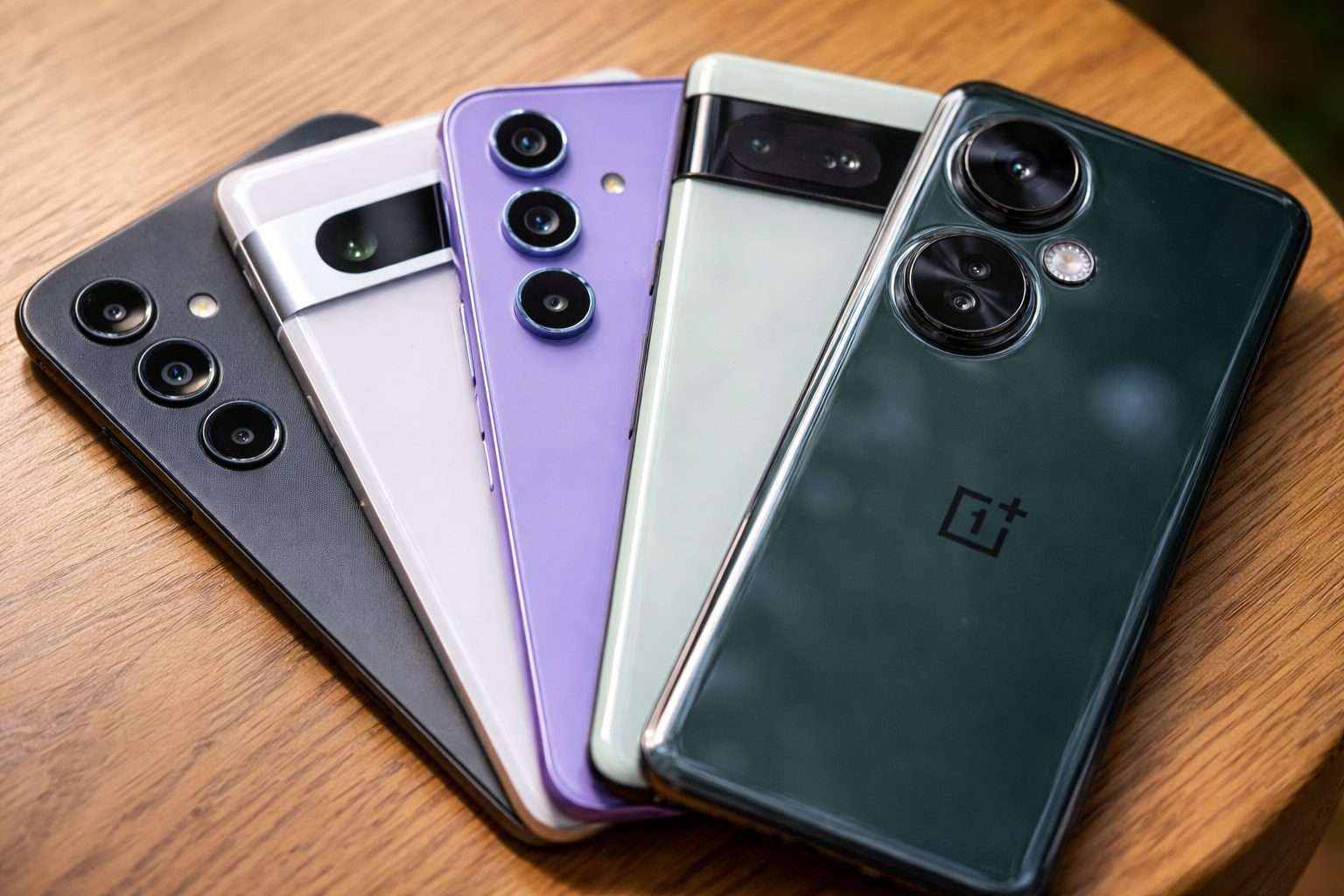
Consumer Reports testing data point to a dozen Android phones selling for $500 or less that still scored in the mid-to-high range on its 100-point scale, according to a BGR report published on Feb. 1. The shortlist spans Samsung’s Galaxy S24 FE and S23 FE, Google’s Pixel 7a, Motorola’s Edge+ (2023), OnePlus’s Nord N30 5G, and two Nothing models, among others. 1
Why this matters now: phone makers are pushing more “flagship” features into cheaper devices, trying to catch buyers who are stretching upgrade cycles and balking at higher-end pricing. Screens are a big part of that — OLED panels, which tend to deliver deeper blacks, are no longer reserved for top-tier models.
The other shift is software. Update promises, and on-device AI tools, are becoming a selling point even in the midrange, partly because the hardware gap at the top has stopped feeling like a must-pay tax for a lot of people.
Samsung has leaned into that pitch with its Fan Edition line — “FE” — which it frames as a way to spread premium features more widely. “We want everyone to enjoy all the benefits of our latest mobile innovations,” said SeaYoung Lee, a corporate EVP who leads Samsung’s smartphone R&D team, when the company introduced the Galaxy S24 FE in 2024. 2
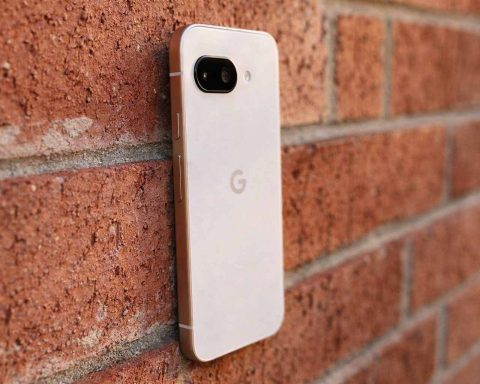
Google’s Pixel 7a is built around the Tensor G2 processor — Google’s in-house chip — and a 64-megapixel main rear camera, according to Google’s Pixel hardware specifications. Megapixels are a rough measure of image resolution; they don’t guarantee better photos, but they can help, especially in good light. 3
Motorola’s Edge+ (2023) pairs a 5,100 mAh battery with 68W wired charging, and a 6.7-inch pOLED display capable of a 165Hz refresh rate — the refresh rate is how often the screen updates each second, and higher numbers can make scrolling look smoother. 4
OnePlus, which has long marketed charging speed, lists the Nord N30 5G with a 5,000 mAh battery and “50W SUPERVOOC” charging; watts are a shorthand for charging power, though real-world speeds vary with heat and battery level. 5
Nothing, meanwhile, has tried to sell design as much as specs in the budget segment. “Phone (2a) is going to enable more people to experience the Nothing innovations,” CEO Carl Pei said when the company announced the model in 2024. 6
But the fine print still bites. Cheaper phones can mean weaker cameras in poor light, slower updates depending on the brand, and performance that looks fine in a store and feels tight six months later once apps and storage pile up. Prices also move fast — a “best under $500” list can age overnight when carriers and retailers shift discounts.