Astronomi 15 november 2025 - 31 januar 2026

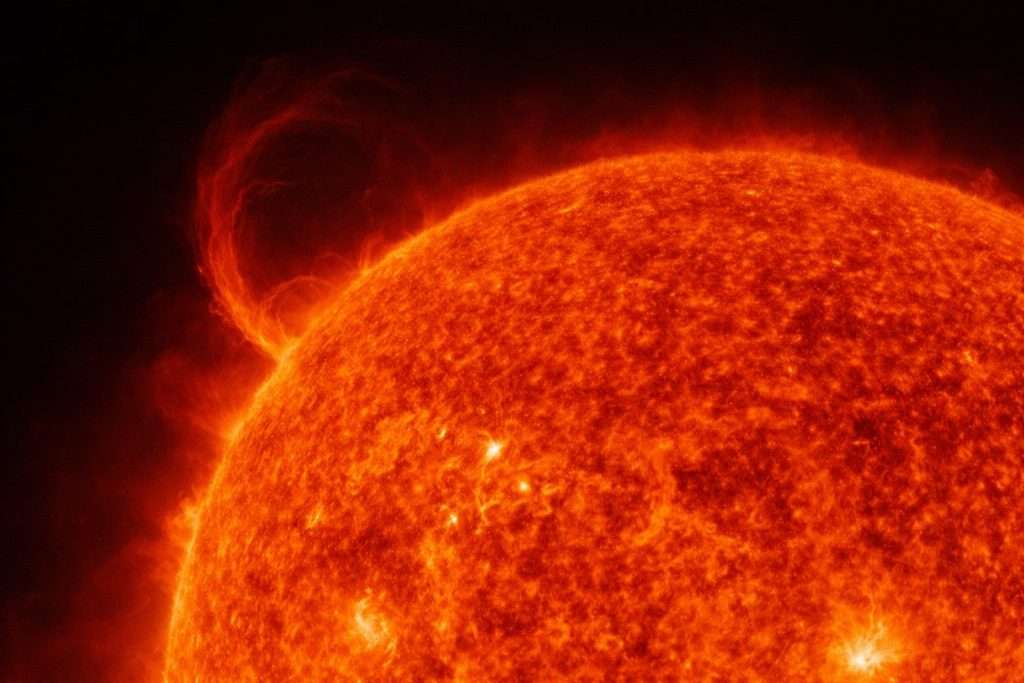
Sun fires 4 strong solar flares as NOAA tracks X8.1 blast and possible Earth brush-by

Solen udsender 4 kraftige soludbrud, mens NOAA sporer X8.1-eksplosion og mulig passage tæt forbi Jorden

NOAA reported a major X8.1 solar flare from sunspot region 4366, with minor effects from solar material possible around February 5. NASA detected four X-class flares between February 1 and early February 2, with the X8.1 event the strongest. U.S. forecasters raised the risk of radio blackouts and noted a slight chance of a minor radiation storm over the next two days. Most ejected material is expected to miss Earth.
februar 2, 2026
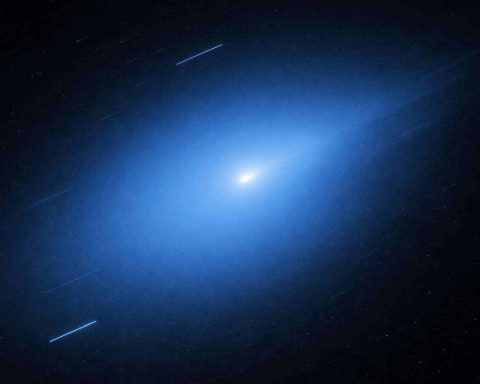
NASA’s TESS Spots Rare Interstellar Comet 3I/ATLAS — New Data Target Its Spin

NASAs TESS opdager sjælden interstellar komet 3I/ATLAS — Nye data fokuserer på dens rotation

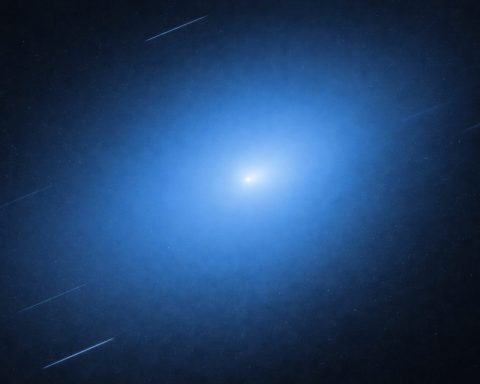
NASA’s TESS spacecraft captured new images of interstellar comet 3I/ATLAS in January as it moves out of the solar system. The data, collected January 15–22, are now public. Scientists aim to analyze brightness changes to study the comet’s rotation and activity. 3I/ATLAS is only the third known interstellar object observed passing through the solar system.
januar 31, 2026
NASA interrupts TESS survey to track interstellar comet 3I/ATLAS as SPHEREx spots stronger gases

NASA afbryder TESS-undersøgelse for at spore interstellær komet 3I/ATLAS, mens SPHEREx opdager stærkere gasser

NASA redirected its TESS satellite to observe interstellar comet 3I/ATLAS from January 15–22, pausing its regular survey, the agency said Wednesday. SPHEREx data show the comet’s emissions of carbon monoxide and water vapor increased twentyfold after perihelion in October. Researchers detected new signatures of cyanide and organic gases. NASA expects to continue tracking 3I/ATLAS as it moves toward Jupiter’s orbit this spring.
januar 22, 2026
Comet 3I/ATLAS suddenly looks “fully active” — and astronomers say the window is closing

Kometen 3I/ATLAS ser pludselig “fuldt aktiv” ud — og astronomer siger, at vinduet er ved at lukke

NASA’s SPHEREx telescope detected a surge in gas and dust from interstellar comet 3I/ATLAS after its close solar approach. The comet reaches opposition on January 22, offering extended nighttime visibility. Researchers confirm it is only the third interstellar object observed in the solar system. 3I/ATLAS was discovered in July 2025 by an ATLAS network telescope in Chile.
januar 21, 2026
NASA’s TESS abruptly pivots to watch interstellar comet 3I/ATLAS — what it’s looking for

NASAs TESS drejer pludselig for at overvåge den interstellare komet 3I/ATLAS — hvad den leder efter

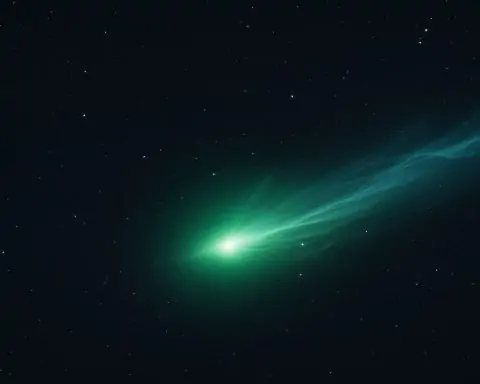
NASA will pause part of its TESS satellite observations this month to track interstellar comet 3I/ATLAS, only the third such object confirmed in the solar system. Data will be calibrated and released immediately. The comet passed closest to the sun on October 30, 2025, and Earth on December 19 at about 170 million miles. NASA says 3I/ATLAS poses no threat to Earth.
januar 18, 2026
Comet 3I/ATLAS Today (15 November 2025): ESA Path Update, Tail Revival, Radio Signals and Alien Claims Explained

Kometen 3I/ATLAS i dag (15. november 2025): ESA-ruteopdatering, halegenoplivning, radiosignaler og forklaring af rumvæsen-påstande

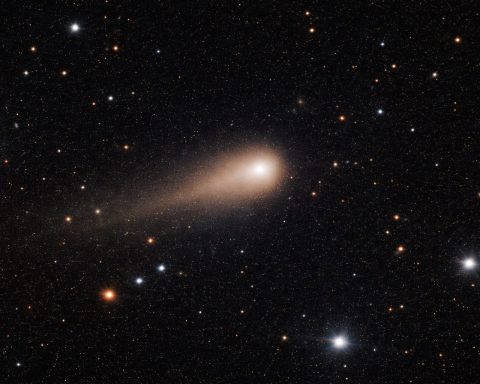
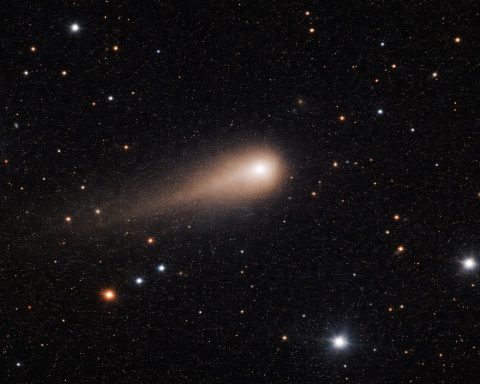
New images from Nov. 11 show interstellar comet 3I/ATLAS survived its close pass behind the Sun and remains intact, according to the Nordic Optical Telescope. The European Space Agency reports improved orbital data using Mars observations. Some astronomers continue to speculate about artificial origins, but most experts say the comet’s behavior matches natural explanations.
november 15, 2025