
SHENZHEN, April 18, 2026, 00:58 GMT+8.
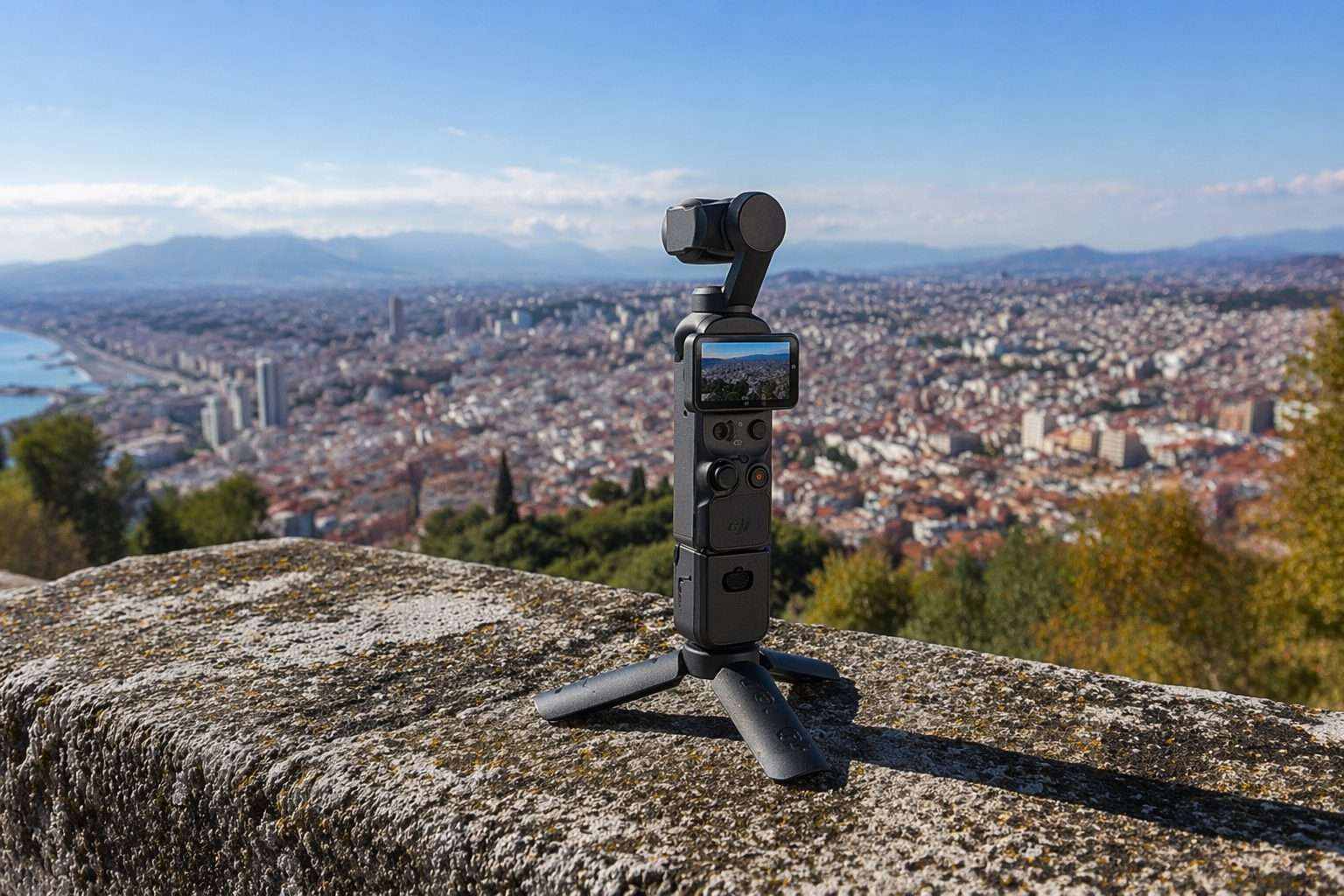
DJI’s Osmo Pocket 4 is out, bringing 4K video at 240 fps, sharper tracking, and 107GB of internal storage—but U.S. buyers are out of luck for the time being. “The application for authorization is still pending,” spokesperson Daisy Kong told The Verge, adding the handheld camera won’t be available in the U.S. just yet. DJI Official
The holdup is significant—it signals that DJI’s regulatory headaches in the U.S. are no longer limited to drones, but are now hitting its handheld camera unit too. Back in December, the Federal Communications Commission made it clear: products on its Covered List aren’t eligible for new equipment authorization, the certification required for most wireless devices before they’re imported, marketed, or sold in the U.S.
Back in November, DJI cautioned that a shift to the Covered List might impact “all DJI products”—cameras, filmmaking tools, everything. Up to this point, the company had typically avoided flat-out saying a device would be pulled from the U.S. market. That’s changed with the Pocket 4. This time, DJI’s announcement makes it clear the device itself won’t be available stateside. Dji
Pre-orders are now live outside the U.S., with shipping slated for April 22. The Essential Combo starts at 479 euros or 429 pounds. DJI’s Creator Combo—priced at 619 euros or 549 pounds—includes extras: wide-angle lens, DJI Mic 3 transmitter, fill light, mini tripod, and a carrying bag.
Pocket 4 sticks with the same 1-inch CMOS sensor and 20mm f/2.0 lens as Pocket 3, but now allows 4K slow-motion at 240fps. Dynamic range jumps to 14 stops, and there’s support for 10-bit D-Log. Storage climbs to 107GB inside, with transfer rates that can hit 800MB/s. D-Log, a flatter color profile, lets editors tweak footage more in post.
DJI’s ActiveTrack 7.0 now tracks subjects reliably, even when you’re zoomed in up to 4x. Recording audio from up to four channels is possible thanks to new direct support for the Mic 2, Mic 3, and Mic Mini transmitters. Physical controls have seen an upgrade too: quick zoom and custom presets are just a button press away. The 5D joystick manages both gimbal recentering and flipping the camera.
The timing ratchets up competition. Insta360 is rolling out a Luna camera preview at the NAB trade show in Las Vegas, kicking off April 19. CEO Liu Jingkang has already positioned Luna as a direct challenger to DJI’s Pocket lineup.
DJI has taken its battle against the U.S. crackdown to the courts. Back in February, Reuters said the firm filed suit against the FCC, challenging the regulator’s decision to ban imports of DJI’s new models. In the filing, DJI argued the move “carelessly restricts DJI’s business in the U.S.” and shuts American customers out of its newest tech. Reuters
Still, there’s no set date for a U.S. launch. Back in March, Reuters noted the FCC gave a pass to four non-U.S. drone models following its December ban. Notably, Chinese brands were left off that list—so it’s unclear if, or when, new DJI gear will get the green light from U.S. regulators.
Pocket 4 brings a handful of real upgrades for international buyers—think quicker slow motion, extra storage onboard, fresh controls, and improved tracking smarts. But for creators in the U.S., it’s still unavailable.