
NEW YORK, March 27, 2026, 16:37 EDT
Wall Street ended sharply lower Friday, with the Dow Jones Industrial Average falling into correction territory and all three major indexes closing at their weakest levels in over half a year. Worries about a prolonged, more expensive Iran conflict weighed heavily. According to preliminary numbers, the S&P 500 slipped 1.7% to 6,366.96. The Nasdaq fell 2.1% to 20,949.24. The Dow ended down 1.75% at 45,156.51.
What’s changed: the slide isn’t just about panicked trading on war news anymore. The Nasdaq hit correction territory on Thursday—down 10% from its recent peak. By Friday, the Dow joined it. Fed rate cuts? Traders have erased those bets for this year, despite consumer sentiment in the U.S. hitting new lows.
President Donald Trump looked to soothe investor nerves, tacking an extra 10 days onto Iran’s deadline to reopen the Strait of Hormuz and describing diplomatic talks as “very well.” Earlier, he’d claimed Iran allowed 10 oil tankers safe passage through the strait as a gesture of goodwill. The market, however, wasn’t buying it. “Words alone aren’t cutting it right now,” said Matt Britzman, senior equity analyst at Hargreaves Lansdown. Reuters
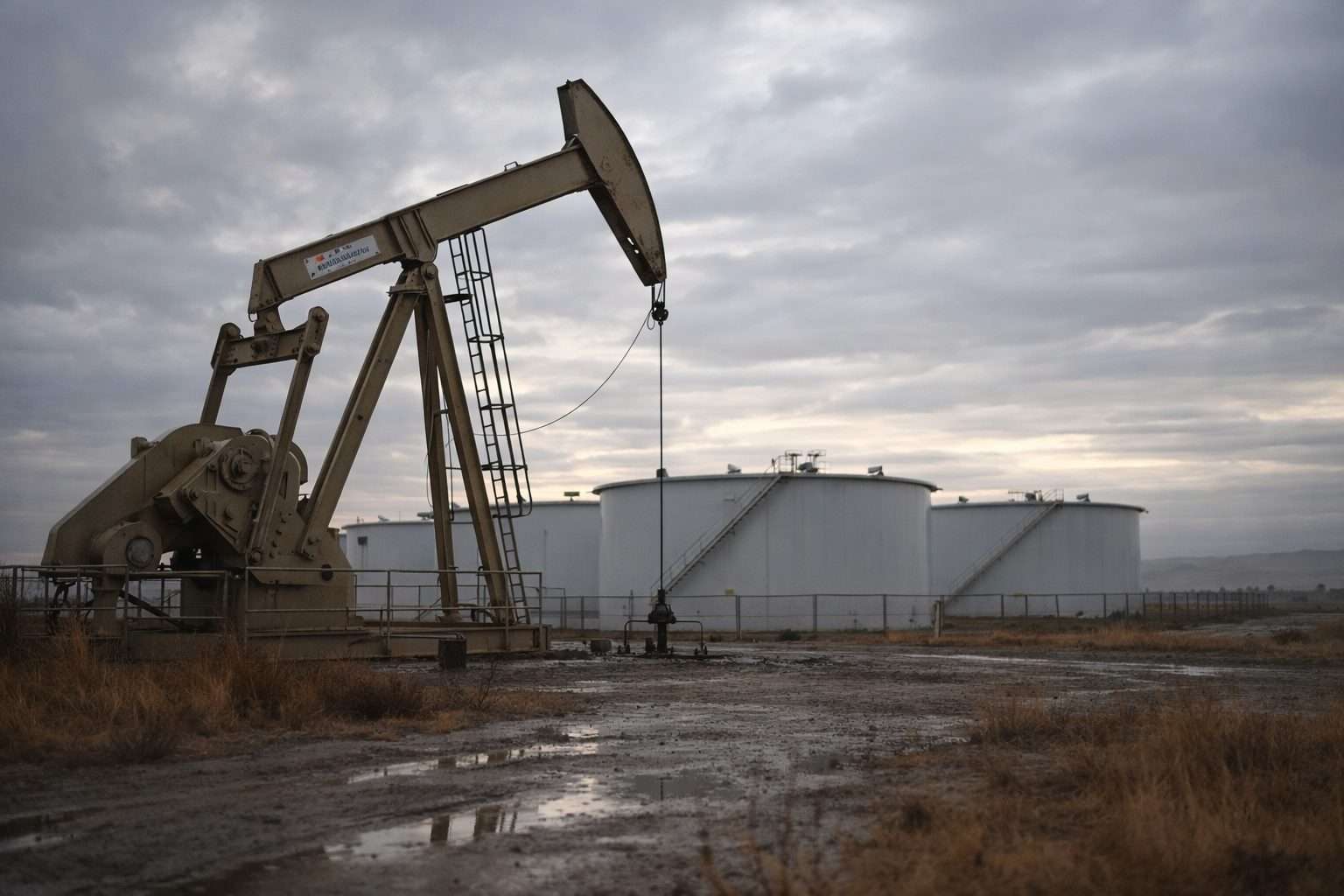
Oil once again set the tone. Brent crude finished at $112.57 per barrel, while U.S. West Texas Intermediate closed at $99.64. Since late February’s outbreak of fighting, Brent has climbed 53%, and WTI is up 45%. The Strait of Hormuz, which moves roughly one-fifth of all global oil and gas, remains in focus. “The war’s longevity rather than headlines” is what’s on investors’ minds, StoneX analyst Alex Hodes noted. Reuters
Losses hit across the board, though the sharpest selling showed up in big tech and growth stocks. Nvidia slipped close to 2%, Amazon tumbled around 4%. Over on the Dow, Goldman Sachs proved the biggest weight. Just a day before, energy was nearly alone in the S&P’s green column as tech and communications names spearheaded declines.
Safe havens haven’t exactly lived up to their reputation. Treasuries came under pressure, with yields moving higher; neither the yen nor the Swiss franc delivered their usual buffer. Gold whipped back and forth through the week, prompting investors to pile into the dollar. “There are very few risk-off assets,” said Rajeev De Mello, chief investment officer at GAMA Asset Management. Reuters
Fed officials have begun to acknowledge inflation risks more bluntly. Governor Lisa Cook remarked that risks have “shifted more toward inflation,” saying the war is making it harder to reach the central bank’s 2% target. Right now, CME’s FedWatch tool puts odds of a rate hike by October at about 25%. Reuters
Signs of strain are turning up beyond the markets. The University of Michigan’s consumer sentiment index dropped to 53.3 in March, down from 56.6 the month before. A jump in one-year inflation expectations to 3.8% from 3.4% came alongside average U.S. gasoline prices hitting $3.98 a gallon. Gus Faucher, chief economist at PNC Financial, cautioned that if the conflict goes on and fuel prices rise again, consumers might start cutting back.
Things have deteriorated quickly. On Thursday, Reuters said the OECD warned the conflict had derailed stronger global growth prospects. By Friday, more economists and companies were pointing to oil supply disruptions fueling inflation and rattling confidence.
Here’s the core risk: oil might not be fully reflecting the chance of a drawn-out conflict. Analysts polled by Reuters said prices could remain high across several outcomes—and if Iranian export infrastructure takes a hit or fighting drags into late June, crude could shoot up to $200 a barrel. Macquarie, for its part, figures a swift end to the war would see prices drop fast, though not all the way back to where they were before fighting broke out.
Oil prices are running the show on Wall Street at the moment, not talk of diplomacy. Peter Cardillo, chief market economist at Spartan Capital Securities, said crude is steering market moves, and unless there’s clear movement in negotiations or Hormuz actually reopens, he doesn’t expect that dynamic to shift.