
LONDON, June 8, 2026, 13:05 (BST)
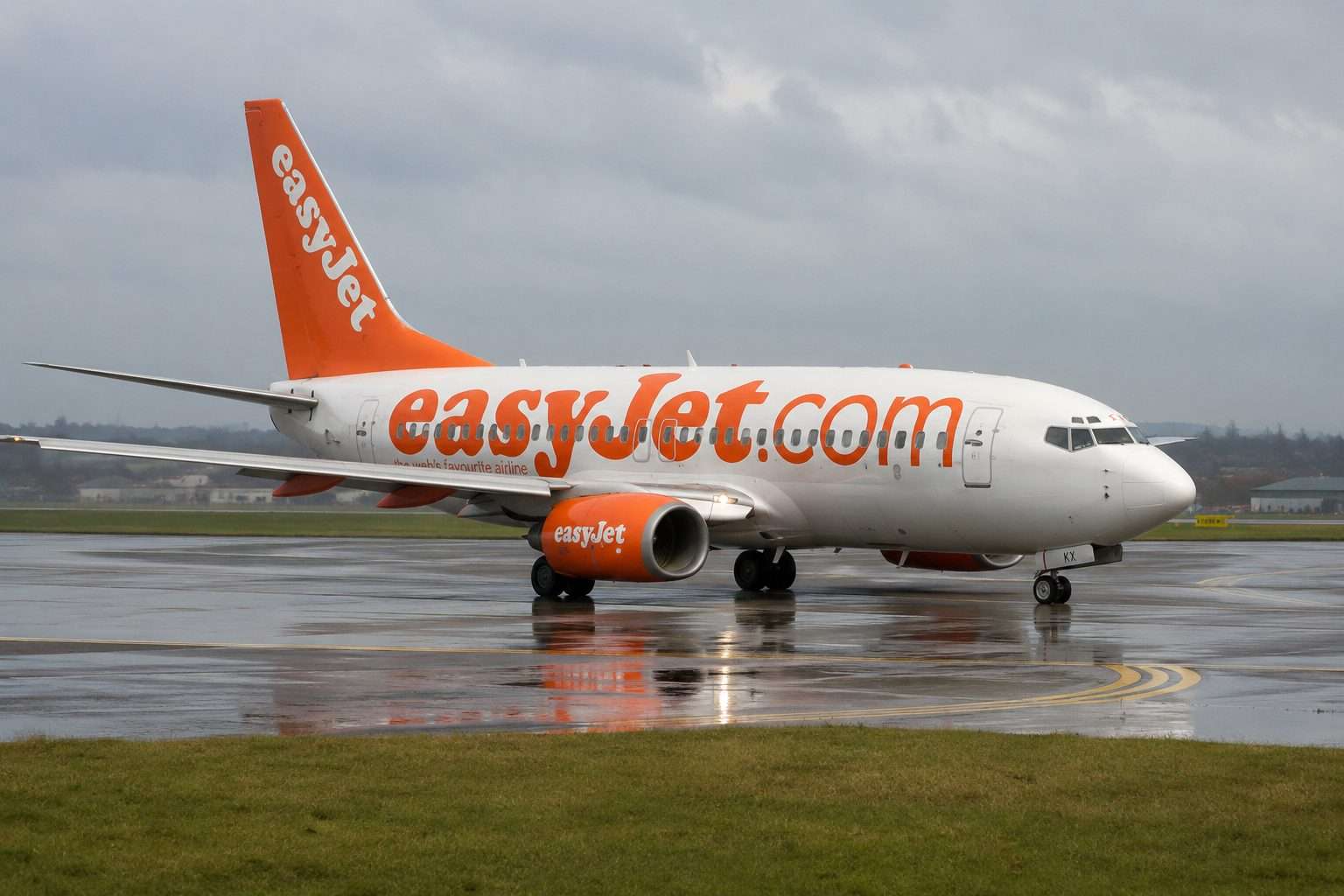
easyJet shares edged higher in London on Monday, holding on to most of last week’s takeover-led rally as investors waited to see whether Castlelake will turn early-stage interest into a firm bid.
The stock was up 0.36% at 473.42p at 12:39 BST, after trading between 450.80p and 479.00p. Volume was 3.51 million shares, with the market value shown at about £3.59 billion.
The London Stock Exchange was open for a normal Monday session, scheduled from 0800 to 1630 BST. Broader UK mid-caps were little changed, with the LSE’s market snapshot showing the FTSE 250 up 0.18%.
Why it matters now is the bid clock. Castlelake has until June 26 to make a firm offer or walk away after saying it was considering a possible offer above 403.23p a share; easyJet has said no formal approach has been made. The airline called the timing “highly opportunistic”, saying the share price had been hit by Middle East conflict, weaker confidence and higher jet fuel prices. A bid premium — the extra investors expect a buyer to pay for control — is now doing part of the work in the stock. Reuters
Deal talk sharpened again after Reuters reported that Castlelake was looking at MSC, the Swiss-based shipping and cruise group, as a possible consortium partner. Such a structure could help with European airline ownership rules, which can make a clean U.S.-led takeover harder to execute.
Analysts say the interest is not hard to explain. Chris Beauchamp, chief market analyst at IG, put it plainly: “Few people can resist a bargain.” Deutsche Bank analyst Jaime Rowbotham wrote that easyJet had “looked cheap” for some time, with its fleet, airport slots — takeoff and landing rights at constrained airports — and margin potential among the draws. Reuters also cited easyJet’s underperformance versus peers such as Ryanair as part of the appeal. Reuters
Morningstar equity analyst Loredana Muharremi was still constructive on value, writing on June 5 that easyJet looked “moderately undervalued”, but she cut her fair value estimate to 574p from 670p. Her reason was less about the takeover and more about shorter booking windows, meaning customers are buying closer to departure and giving airlines less visibility, plus a slower recovery in fuel costs. Morningstar
The operating story is rougher. easyJet reported a first-half pretax loss of £552 million in May and warned its full-year outlook was uncertain as the Iran war lifted fuel costs and weakened summer bookings. CEO Kenton Jarvis said the strategy rested on “disciplined growth” and expansion of easyJet holidays; Freetrade’s Duncan Ferris said the 72% fuel hedge — contracts that lock in part of the future fuel price — gave protection but “not immunity”. Reuters
Oil remains the live risk for the tape. Brent crude fell back to about $94.58 a barrel after touching $98 earlier on Monday, and European shares recovered as headlines from Iran soothed some of the morning panic. For airlines, fuel is not a side issue. It is one of the first lines investors watch.
But the trade can go the other way fast. Castlelake could walk, a partner could fail to solve ownership questions, regulators could push back, or higher fuel and late bookings could force easyJet to stimulate demand with lower fares.
For now, easyJet is caught between two tapes: the deal tape and the oil tape. That is enough to keep the stock noisy, even on a day when the index move is small.