
San Francisco, April 9, 2026, 12:02 PDT
- Button, the $179 device from ex-Apple Vision Pro engineers Chris Nolet and Ryan Burgoyne, is set to ship to its first U.S. buyers starting Dec. 15.
- The startup’s device, according to the company, stays silent until you press it. It debuts with iPhone compatibility, packaged with three months of Button AI Pro at no charge, then moves to a $7.99 monthly subscription.
- Following Humane’s AI Pin flop, Rabbit and OpenAI aren’t slowing down on AI-first hardware efforts.
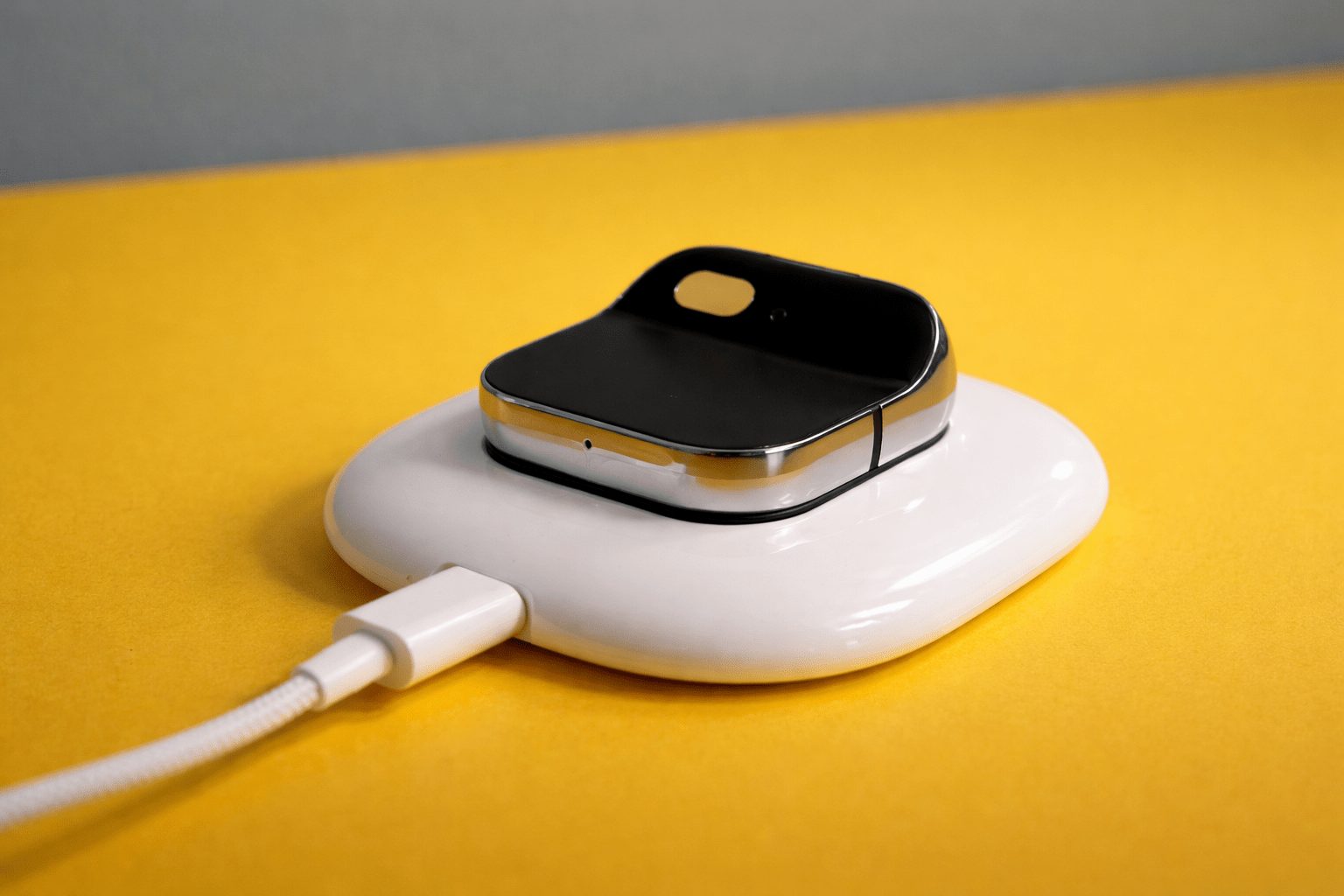
Chris Nolet and Ryan Burgoyne, both previously with Apple Vision Pro, are rolling out Button, a $179 AI gadget that clips on and only activates when pressed. It’s designed for fast responses to voice prompts. Backed by Y Combinator, the device—its look draws strong iPod Shuffle comparisons—is targeting its initial U.S. shipments for Dec. 15, 2026.
The scramble for a breakout AI hardware product continues. Humane shuttered its AI Pin business and offloaded assets to HP for $116 million in 2025, reacting to lackluster feedback and sluggish demand. OpenAI and Rabbit remain in the hunt, rolling out fresh AI-first devices, both still chasing a form factor that actually lands with users.
Button isn’t positioned as a substitute for your phone or laptop—it’s pitched as something to use alongside them. The company says it clips onto clothing, pipes audio through either a built-in speaker or Bluetooth headphones, and relies on your phone for internet access. At launch, Button will work with iPhone; Android support is promised down the line.
Button’s device comes in cheaper than most recent AI hardware, but that’s not the whole story. The upfront price gets buyers three months of Button AI Pro; after that, the service runs $7.99 a month. Users who don’t want the subscription can plug in their own API key, letting them connect the device to external AI services without the extra fee, the company says.
Y Combinator identifies Nolet as founder and CEO, and Burgoyne as co-founder and CTO—both ex-Apple engineers who worked on Vision Pro. Nolet described to Wired how the company’s privacy focus started after a jarring personal experience. “It really freaked me out,” he said, recalling the moment he discovered someone had secretly taped a conversation using a wearable. Y Combinator
Speed matters here. The founders put it plainly in their Y Combinator launch post: “We’re obsessed with latency” — meaning the delay before a system responds. They claim the device can reply in about half a second. Wired, in a demo, clocked an answer in close to one second. Y Combinator
The company is stepping into a space crowded with bigger names. Rabbit’s r1 device, priced at $199 and requiring no subscription, was recently updated to operate across a user’s entire computer. Back in February, Reuters said OpenAI had more than 200 staffers developing hardware that could include a smart speaker or smart glasses. Meanwhile, TechCrunch last month highlighted that Button connects by voice with email, Slack, and Salesforce—clear evidence the founders are targeting workplace productivity as much as everyday queries.
But the central question dogging nearly every AI gadget remains for Button: why would consumers bother with another device that ultimately still needs a smartphone for connectivity? IDC’s Francisco Jeronimo summed up the challenge back in January, saying wearables will rise or fall not on hardware tricks but on “ecosystem integration and software value.” Button Computer
Nolet told Wired he isn’t aiming to take on the iPhone—Button, he said, is “a complementary device.” That keeps the bar lower than Humane’s ambitions, though it also means Button has a more specific challenge: it needs to show that a clipped-on voice AI shortcut is valuable enough to last past those initial demos. WIRED