HAMBURG, Jan 26, 2026, 12:59 (CET)
- fritz-kola said it won’t raise prices while transitioning some of its sugar sourcing to regenerative farming, following a pilot that reduced emissions by 1,534 tonnes of CO2, according to a participating farmer.
- Chief executive Mirco Wolf Wiegert acknowledged that climate measures are factored into pricing, even though growers face higher costs when changing their methods.
- WirtschaftsWoche reports that Germany’s FritzBox router leader faces mounting pressure to evolve as the market shifts from DSL to fibre.
Hamburg’s fritz-kola doesn’t expect price hikes following a pilot that shifted sugar beet farming to “regenerative” techniques, which just yielded its first crop. One of the farms involved reported producing 1,449 tonnes of sugar while slashing emissions by 1,534 tonnes of CO2. 1
Price remains a sharp hurdle for brands pushing climate-friendly products in a market wary of steeper costs. In beverages, sugar is a key ingredient—and its farming generates unavoidable emissions.
Regenerative agriculture covers a range of practices aimed at restoring soil health — think less ploughing, increased plant cover, and boosting biodiversity — all intended to trap more carbon underground. Companies often refer to this approach as “insetting,” focusing on slashing emissions within their own supply chains instead of purchasing offsets.
fritz-kola pointed to feedback from its community as the reason behind the shift, revealing a partnership with Klim, a start-up launched in 2019, along with six farmers from Thuringia, North Rhine-Westphalia, Saxony-Anhalt, and Saxony. Their goal: to transform sugar beet cultivation. CEO Mirco Wolf Wiegert emphasized that the company has backed climate projects “since day one” and that “such measures are already factored into our prices.”
Grower Cay Hüneke, manager of Rittergut Schlüsselburg in North Rhine-Westphalia, said the switch cut down soil disturbance and shifted the focus toward cover crops and undersowing—adding extra plants to shield the soil and extend root presence. He noted these changes have already boosted CO2 storage and biodiversity.
“Across all participating farms, we harvested 1,449 tonnes of sugar, saving 1,534 tonnes of CO2,” Hüneke reported on the first year’s outcomes. He highlighted practical benefits as well: mulch cover that reduced soil warming during midsummer and curtailed evaporation, along with improved water absorption during heavy rainfall.
Hüneke admitted there are extra costs involved but rejected the oversimplified view. “Calling it just more expensive farming would be wrong,” he said, insisting the approach might boost productivity and resilience in the long run.
Wiegert described the pilot as a “full success,” emphasizing that its goal was to present a climate action model with “real impact.” He positioned it as an alternative to depending on trading CO2 certificates—those tradable credits that offset emissions instead of reducing them directly.
Still, the downside is clear. Regenerative methods often need years to stabilize yields. Measuring carbon savings is still disputed. And moving beyond pilot scale runs up against tight farm budgets and unpredictable weather. If yields fall or verification costs climb, the promised price gets tougher to justify.
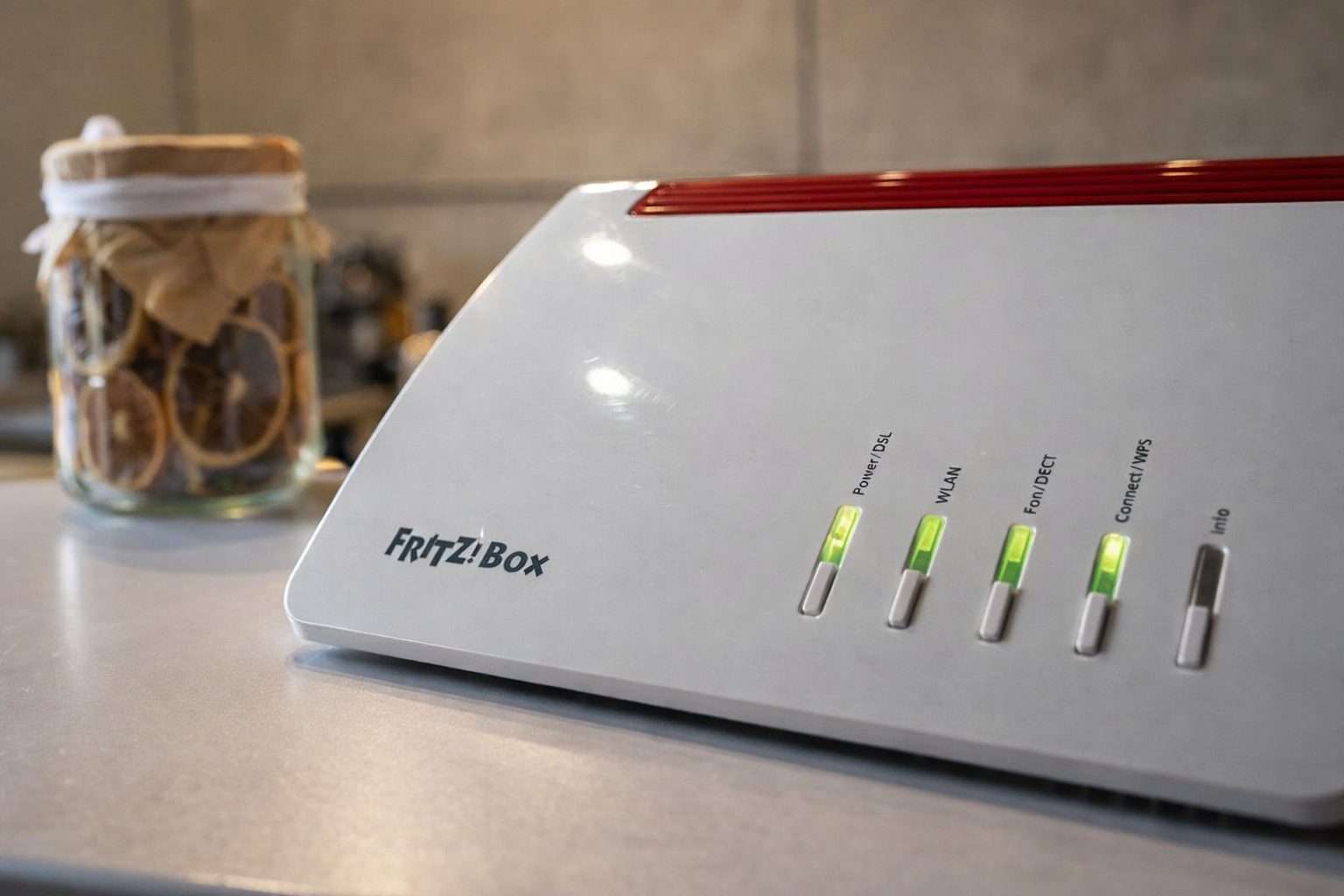
WirtschaftsWoche reported that FritzBox routers, which gained popularity during Germany’s DSL surge in the 2000s, are now navigating a tricky shift as broadband moves toward fiber optics. 2
Berlin-based AVM, known for its FritzBox routers, has appointed Jan Oetjen as CEO and Jan-Christian Werner as CFO amid a leadership change. This shift also brought in Imker Capital Partners as a new investor, the company confirmed earlier. AVM reported 580 million euros in revenue for 2023 and currently has 890 employees. 3
The company has been promoting fibre hardware like the FRITZ!Box 5690, touting it as a fibre router with Wi‑Fi 7 support—the newest wireless standard—and compatibility with popular fibre network types like GPON and AON. They’ve pegged the recommended retail price at 319 euros. 4
In a December chat with COMPUTER BILD, Oetjen revealed the product range had grown from just “one box for DSL” to include cable, mobile, and several fibre options. He noted the company shipped more new products last year than ever before. He also mentioned that in Germany, the “Fritz” name is much better known than “AVM” and pegged the company’s local market share at about 50%. 5