
London, March 4, 2026, 17:35 (GMT) — After-hours
- FTSE 100 finished 0.8% higher, clawing back some of this week’s steep declines
- Oil edged lower, though traders are still weighing rate-cut expectations and ongoing energy supply threats.
- Vistry slumped after flagging a margin hit for 2026, sending UK homebuilder stocks down with it.
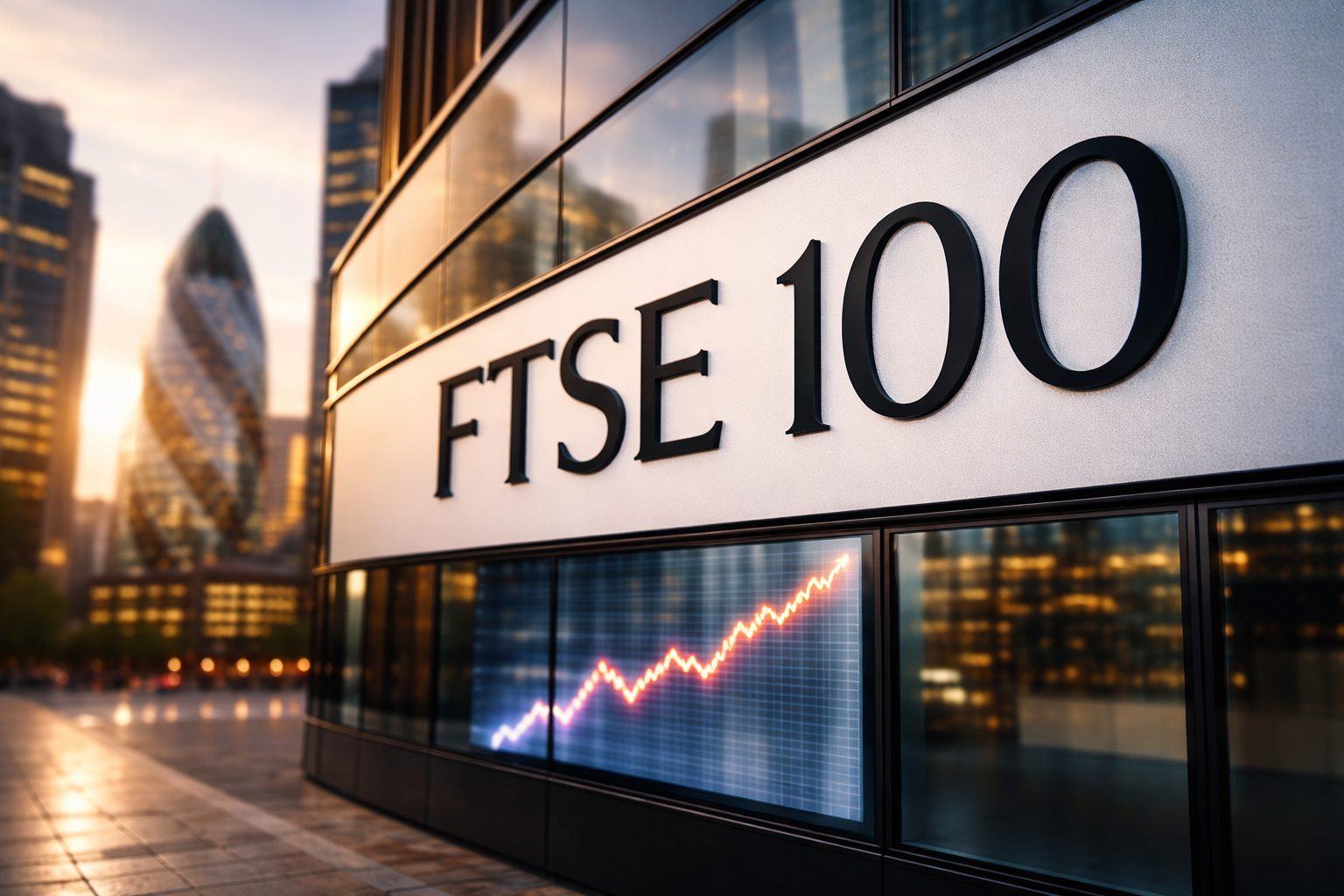
The FTSE 100 finished Wednesday up 83.52 points, or 0.8%, at 10,567.65, breaking a two-day losing streak that had been fueled by renewed inflation concerns linked to the Middle East conflict. The FTSE 250, which leans more toward UK-focused stocks, advanced 0.9%.
Stocks rebounded just a day after the FTSE 100 slid 2.8% and the FTSE 250 shed 3.1%, marking their sharpest single-day losses in almost a year. The selloff followed a spike in Brent crude—up nearly 7%—and a 15% leap in European gas prices, both triggered when the U.S.-Israeli war on Iran shut down energy exports from the area. “If higher energy prices squeeze real incomes and prevent the Bank from cutting rates, hopes would be dashed,” said David Rees, head of global economics at Schroders. Reuters
Oil prices edged lower Wednesday, with Brent down 0.3% at $81.13 a barrel. That came after Tuesday’s finish, which marked the highest since January 2025. UBS’s Giovanni Staunovo noted, “market participants seem to expect a de-escalation of the conflict”. Reuters
In the UK, the latest S&P Global survey showed the services sector kept growing, but the numbers raised some red flags for policymakers. February’s Services PMI slipped to 53.9—still above the 50 mark that signals expansion. The composite PMI stayed put at 53.7, matching its highest level since August 2024. “Job losses reflected ongoing efforts to focus on boosting productivity,” said Tim Moore, economics director at S&P Global Market Intelligence. Reuters
The Bank of England will deliver its next policy decision on March 19, with the Bank Rate parked at 3.75%. Traders are skittish over the pace of rate cuts if inflation tied to energy prices proves stubborn.
Homebuilders pulled back. Vistry slumped 25.6% to £4.76 after flagging that profit margins will narrow in 2026, blaming the need for incentives to move inventory. Executive chair and CEO Greg Fitzgerald also outlined his exit plans, announcing he’ll step down as chair. “We need to get the sales going,” Fitzgerald said to analysts. RBC Capital Markets’ Anthony Codling called the new strategy “bold and a logical move given the dire shortage of social and affordable homes.” Barratt Redrow shed 3.1%, closing at £3.29. Reuters
Still, the relief rally looks shaky if the oil shock escalates. UBS bumped up its Brent outlook, cautioning that fresh attacks on energy infrastructure in the region could send Brent over $90 a barrel. A longer shutdown at the Strait of Hormuz? That, UBS says, might push prices north of $100.
Thursday puts the spotlight on banks: do they hang on to gains, or does the rebound fade? Eyes also turn to builders—will the weakness in Vistry spill over to the rest? Fresh headlines from the Gulf continue to drive sentiment, while the Bank of England’s March 19 decision stands as the next clear event.