New York, February 13, 2026, 13:37 ET — Regular session
- Wholesale U.S. gasoline futures slipped again by midday, following their sharp tumble the previous day.
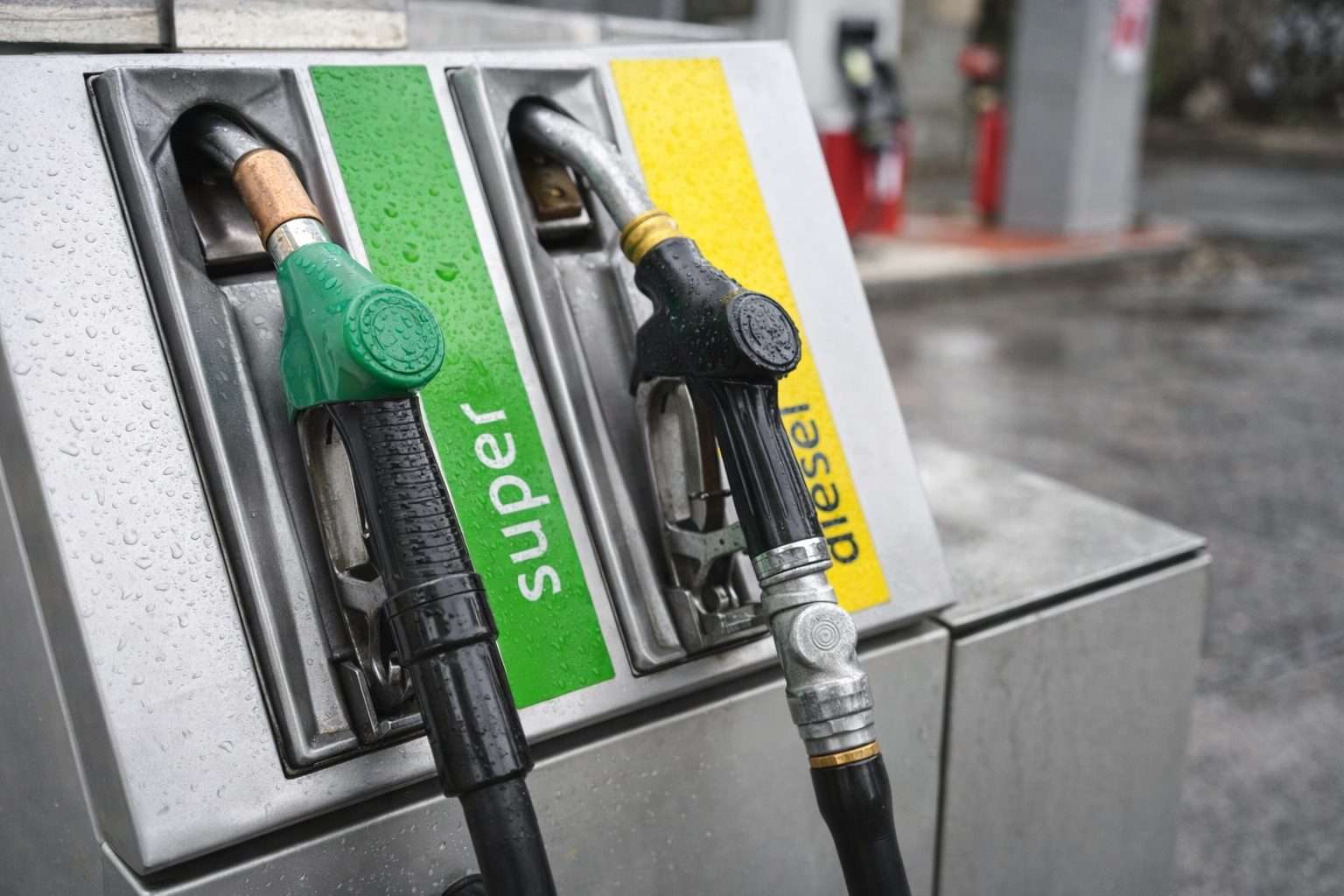
- Gas prices in the U.S. are edging up ahead of the holiday weekend, though they’re still running lower than they were at this time last year.
- Refiners moved up. Investors kept chasing those robust margin signals.
Gasoline futures in the U.S. edged lower again Friday, tacking on to Thursday’s steep drop, though pump prices nudged higher heading into the holiday weekend. NYMEX March RBOB gasoline — the key wholesale contract — slipped roughly a third of a cent to $1.9125 per gallon. That follows a decline of over 3% on Thursday. 1
The split’s important right now: retail prices usually trail shifts in wholesale, and gasoline stands out as a price signal everyone sees. Even a small movement—just a few cents—fuels inflation talk almost instantly.
The real issue for markets: does this dip in wholesale gasoline last, or will holiday travel and tight refinery capacity shove prices higher again? That wholesale-retail spread—refiners and fuel sellers track it obsessively—it can swing wide or snap shut without much warning.
Gasoline supplies in the U.S. climbed again this week, with inventories hitting 259.1 million barrels for the week ended Feb. 6—a gain of around 1.2 million barrels from the week before. Commercial crude oil stocks also moved higher, reaching about 428.8 million barrels. Distillate inventories, on the other hand, slipped to roughly 124.7 million barrels, according to the 7 .
Gas prices are heading higher again, at least for now. AAA reports the national average for a gallon of regular was $2.944 on Feb. 13. That’s a jump from $2.891 just a week ago, and up from $2.796 a month back. Still, it’s under the $3.149 mark seen a year ago. AAA cited EIA numbers: gasoline demand ticked up to 8.30 million barrels per day last week, and total U.S. gasoline supply hit roughly 259.1 million barrels. 2
Bulls aren’t finding much support from the global demand outlook right now. The International Energy Agency on Thursday projected oil demand growth of 850,000 barrels a day for this year, and warned of a notable supply glut coming in 2026. “Economic uncertainties and higher oil prices” are still pressuring consumption, the agency noted. Eight OPEC+ members are set to gather March 1, with a decision expected on whether to bring back output increases starting in April. 3
Crude held steady Friday, finding some footing as January’s U.S. inflation numbers came in softer than forecast—cheaper gas helped. “Inflation is stabilizing,” said Dennis Kissler, senior VP of trading at BOK Financial, who sees that as a plus for rates. Still, he flagged a potential headwind: “The negative is going to be that OPEC could possibly increase production a little further.” 4
Refiners took the spotlight among U.S. stocks, with gasoline and diesel margins still commanding attention. Valero Energy climbed roughly 1.3% by midday, Marathon Petroleum added 2.3%, and Phillips 66 tacked on 1.6%. But the United States Gasoline Fund, the ETF linked to gasoline futures, edged down 0.3%, while the Invesco DB Energy Fund slipped 0.1%.
Refiners have managed to hold onto robust margins, even as fuel prices themselves shift around. The 3-2-1 crack spread — traders’ go-to gauge for gasoline and diesel value against crude — hovered near $25 a barrel on Wednesday, Bloomberg noted in a story picked up by Rigzone. Citigroup analyst Vikram Bagri, in a new report, wrote: “Commentary indicates that 2026 will be another strong year for cracks given demand is outpacing supply.” 5
The thing with crack spreads—they can shrink fast if crude prices hold up but gasoline slips, or if demand falls short. Refineries add another layer of unpredictability: heavy output fills up stocks again in a hurry, but outages or maintenance can choke supply and send spot prices up, even if futures aren’t showing much strength.
Washington’s up next for traders looking for fresh cues. The EIA will put out its weekly petroleum status report on Feb. 19—note the new timing, pushed back due to the Feb. 16 federal holiday. The focus: gasoline stocks, and whether they’re still piling up as winter drags on. 6