NEW YORK, March 4, 2026, 17:29 (EST)
- Gold bounced back following Tuesday’s sharp decline, lifted by an escalation in the Middle East conflict and a softer dollar.
- Traders are weighing safe-haven flows while keeping an eye on rate and inflation concerns linked to oil.
- Investors now turn to U.S. jobs data set for release later this week—the next hurdle for interest-rate bets.
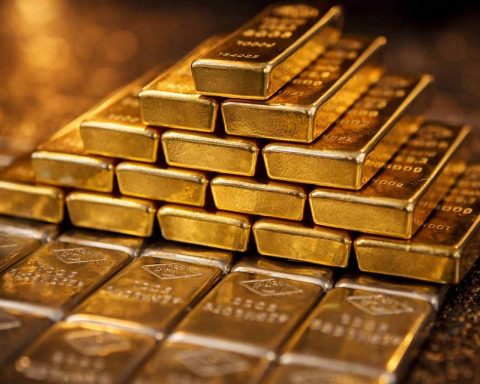
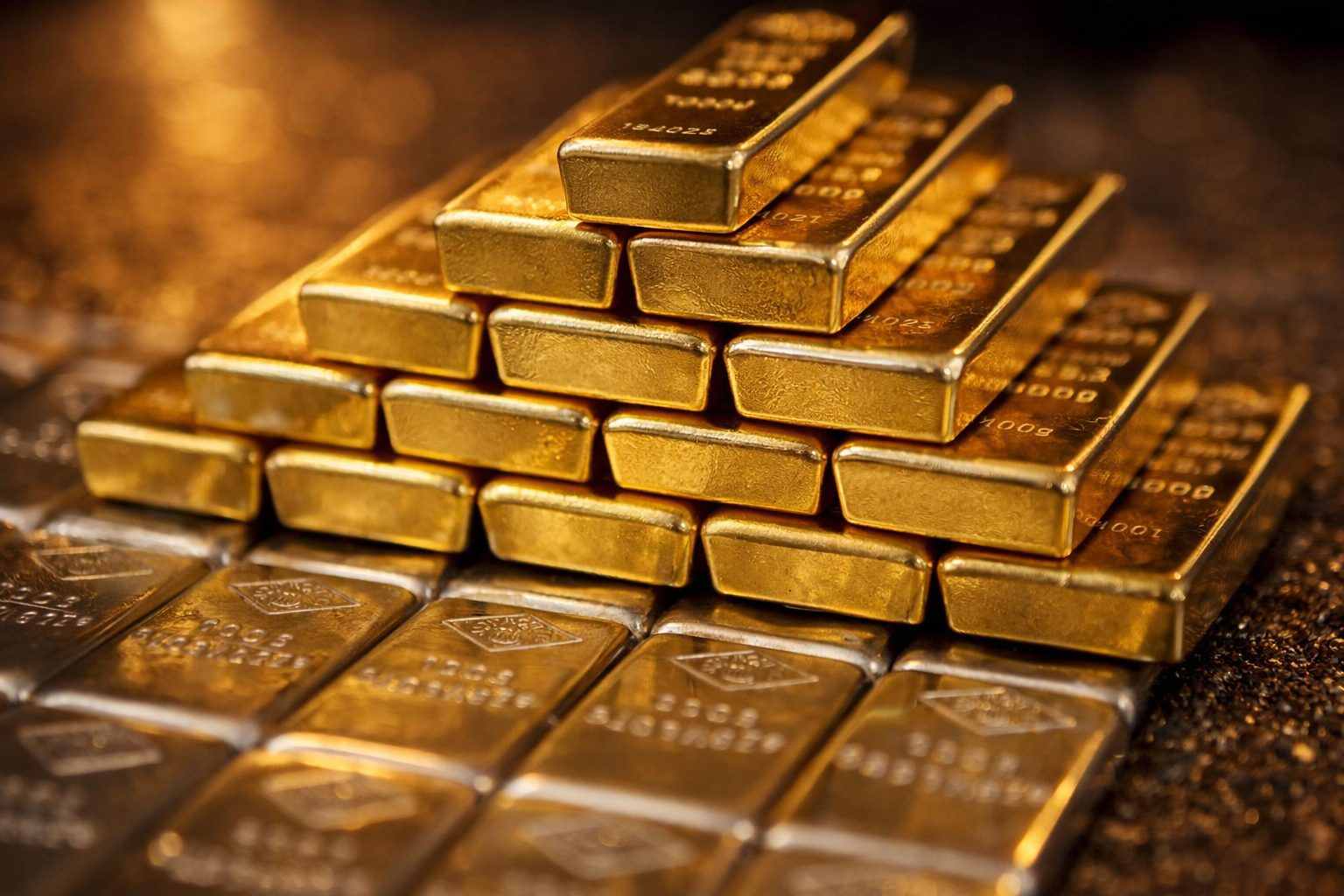
Gold prices jumped Wednesday, lifted by heightened tension in the Middle East and a pause in the dollar’s climb. Spot gold gained 0.7%, reaching $5,120.71 an ounce as of 1831 GMT. U.S. gold futures for April edged up 0.2% to settle at $5,134.70. Silver rose 1.3% to $83.07, while both platinum and palladium moved higher as well. “The dollar has seen a pullback, which is providing some support,” noted Peter Grant, vice president and senior metals strategist at Zaner Metals. 1
Traders stayed on edge, despite the brief rebound. Gold had spiked in late January, hitting a record $5,594.82, but sharp swings since then have left the market wary, Robert Gottlieb, previously head of precious metals at Koch Supply and Trading, told Reuters. “Have the fundamentals changed? The answer is no,” Gottlieb said. BNP Paribas, meanwhile, raised its average 2026 gold forecast to $5,620 and highlighted a shot at topping $6,250 before the year is out. 2
On day four of the Iran conflict, a top Iranian Revolutionary Guards commander announced the closure of the Strait of Hormuz, sparking an over 8% spike in crude oil benchmarks. Spot gold dropped 3.6% to $5,137 an ounce, with U.S. gold futures off 3.5%, closing at $5,123.70, as the dollar rallied and Treasury yields climbed. “Flight to cash,” said Bob Haberkorn at RJO Futures. Fawad Razaqzada of City Index and FOREX.com noted that damaged energy infrastructure and Hormuz shipping delays could keep oil, gas, and refined product prices elevated—and push back rate-cut bets. Despite the pullback, spot gold remains up 19% for the year after last year’s 64% rally. 3
The dollar index slid 0.31% to 98.77 on Wednesday, with traders dialing back safe-haven bets despite another uptick in yields. The 10-year Treasury yield pushed up to roughly 4.098%. Bill Northey of U.S. Bank Wealth Management warned that a “materially higher” move in rates could signal inflation expectations breaking loose. 4
Rates stayed front and center after fresh U.S. data. The ISM services PMI jumped to 56.1 in February, marking its strongest reading since July 2022, while ADP tallied a 63,000 increase in private payrolls. For Friday, a Reuters poll pointed to a 59,000 rise in official nonfarm payrolls and stable unemployment at 4.3%. The Federal Reserve isn’t expected to change rates at the March 17-18 meeting. “There is no justification for a rate cut here,” said John Ryding, chief economic advisor at Brean Capital. 5
The World Platinum Investment Council is projecting another year in the red for platinum, calling for a 240,000 troy ounce deficit in 2026—marking the fourth consecutive annual shortfall. For 2025, the expected supply gap stands at 1.082 million ounces. WPIC CEO Trevor Raymond, in a statement, said, “The key drivers of platinum’s price rally in 2025 … are expected to persist in 2026.” 6
Spot gold is bullion bought for quick delivery, unlike futures that settle down the line. Traders see it as a safe haven, since it usually keeps its value when politics or markets turn turbulent.
Gold offers no interest. With bond yields climbing, investors sometimes shift to income-generating assets, eroding bullion’s appeal.
But the hedge isn’t a one-way street. Quick progress toward peace in the war—or a sudden rush that lifts the dollar—might send gold lower, inflation fears or not.
The market’s chasing both protection and liquidity right now. Gold, as a result, is stuck moving alongside war headlines and the upcoming slate of key U.S. data releases.