
SAN FRANCISCO, Jan 28, 2026, 03:06 PST
- Google briefly uploaded screen recordings showing “Aluminium OS,” a PC-like Android build, running on a Chromebook
- Footage reveals a desktop interface featuring window controls alongside a Chrome extensions button
- Tech sites report that the bug report containing the videos was eventually restricted or taken down
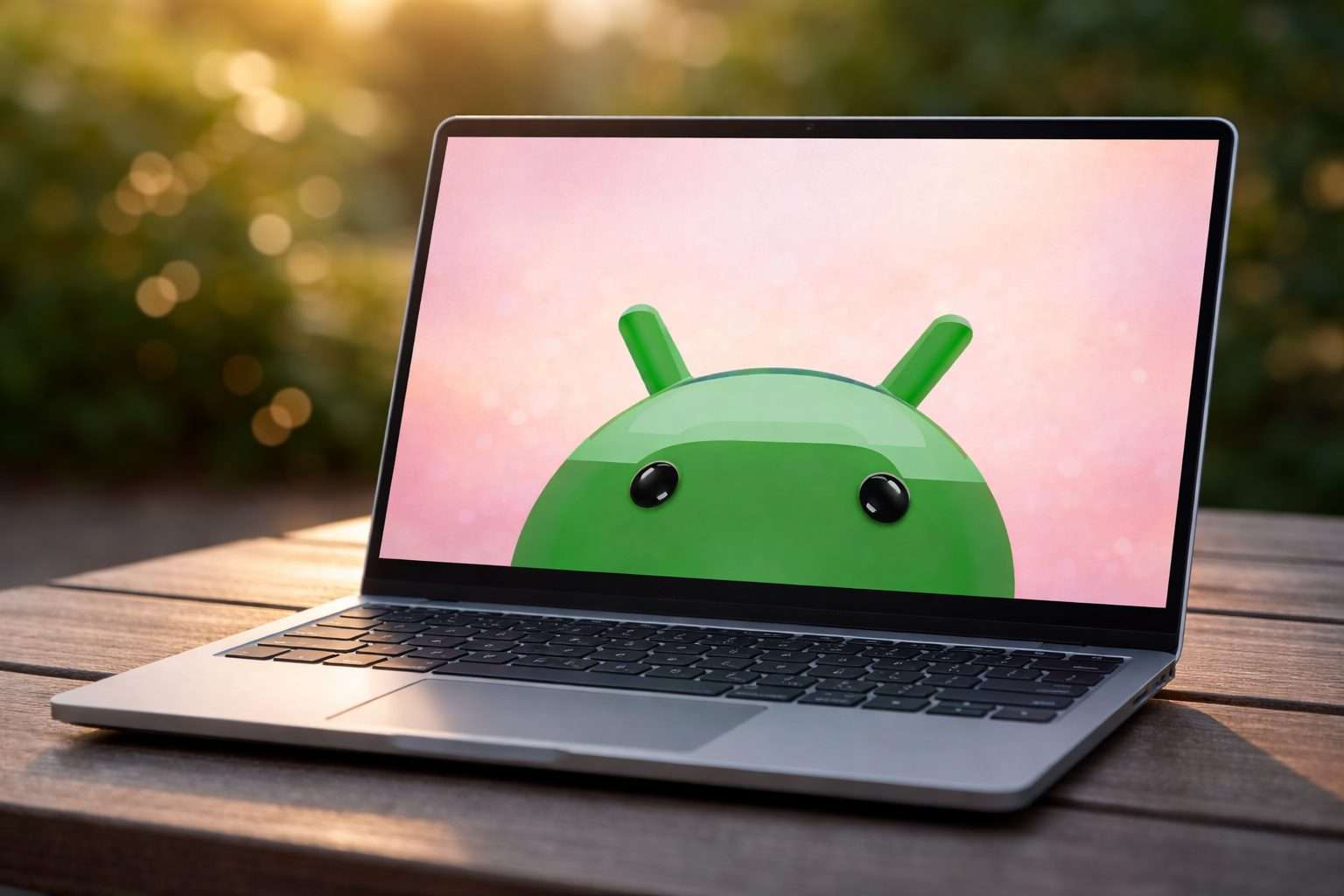
Alphabet’s Google accidentally leaked screen recordings hinting at its much-speculated Android-for-PC project, called “Aluminium OS,” before quickly restricting access to the bug report containing the footage, according to tech sites. The Verge
This leak stands out as the most concrete public insight into Google’s plans to extend Android beyond just phones and tablets, raising questions about the future role of Chromebooks—a lineup that’s leaned on ChromeOS for over ten years.
This comes as Google intensifies development on “desktop mode” in Android—a PC-style interface featuring a taskbar and resizable app windows instead of the usual full-screen mobile apps.
A bug report on the Chromium Issue Tracker — the open-source engine behind Google Chrome — included two screenshots tied to a complaint about Chrome’s “Incognito” mode, 9to5Google noted. The images show an HP Elite Dragonfly 13.5 Chromebook running an “ALOS” build, with the OS listed as Android 16. The interface features a taller top status bar plus a desktop-style window strip with minimize, fullscreen, and close buttons. 9to5Google
Liliputing, which examined the saved videos, pointed out a detail developers will probably notice: Chrome in the footage includes an Extensions button — typically a desktop browser feature on Windows, macOS, Linux, and ChromeOS.
Google has talked before about merging its mobile and laptop software. At Qualcomm’s Snapdragon Summit last September, Qualcomm CEO Cristiano Amon remarked, “I’ve seen it, it is incredible.” Google’s Rick Osterloh also shared with the crowd that Google and Qualcomm are “building together a common technical foundation” for PCs. The Verge
If Google launches a PC-centric Android platform, it would thrust the company deeper into the desktop OS arena dominated by Microsoft’s Windows and Apple’s macOS. This move also sparks new doubts about ChromeOS’s role in Google’s future strategy.
Risks and uncertainties remain. The clips are short and seem to showcase an early-stage build; Google hasn’t shared any launch dates, device compatibility, or if current Chromebooks will qualify. For this to succeed, desktop windowing alone isn’t enough—Android apps and their tools must perform smoothly on bigger screens.