
London, June 6, 2026, 20:10 BST
- Haleon ended Friday 2.18% higher at 337p, while the FTSE 100 was flat.
- The London market is closed for the weekend and there’s nothing on the schedule for Haleon earnings in the coming week.
- Investors weigh a bounce in the stock against soft demand in the U.S., a product recall, and how quickly buybacks are happening.
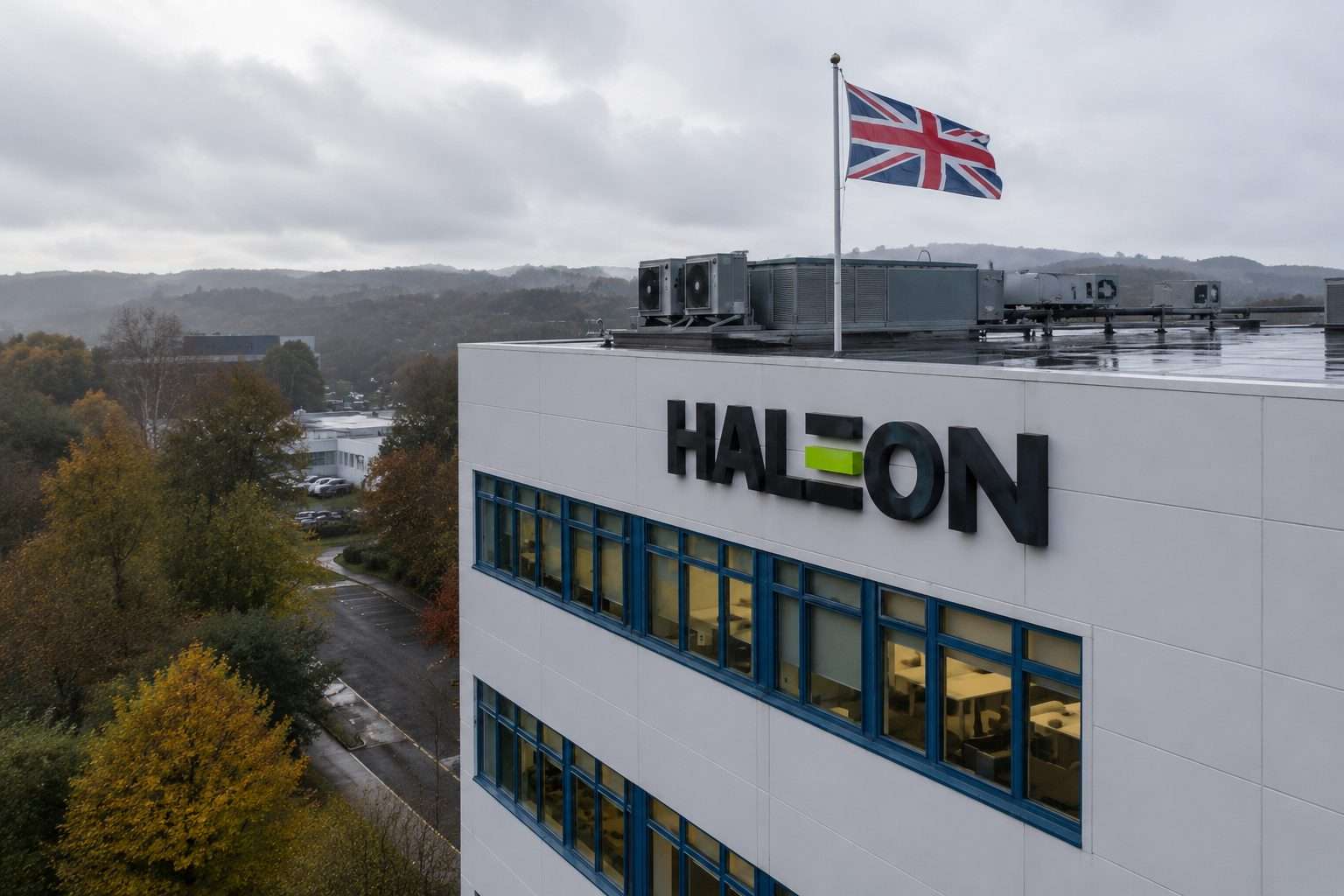
Haleon PLC recovered late Friday, ending up 2.18% at 337p as the FTSE 100 added 0.07%. Turnover was 14.3 million shares, trailing the 50-day average of 22.9 million.
Sensodyne and Advil maker Haleon had a rough start to the week. Shares dropped 2.94% on Monday to 327p, then lost another 1.81% Tuesday to close at 321p. Thursday and Friday brought gains, lifting the stock off its weekly lows.
Hargreaves Lansdown listed Haleon’s delayed quote at 336.70p to sell and 336.90p to buy while the London market was shut. The stock was up 7.20p on the day. The sell price is what holders get before fees, and the buy price is what it costs new buyers.
The U.S.-listed ADR, a dollar-denominated share tied to the London listing, closed at $9.12 on Friday, up 15 cents from the day before.
No new earnings updates from Haleon in the last two days. The company’s investor calendar lists first-half results on July 30, then a third-quarter trading statement on Oct. 29. Until then, traders are likely to focus on sentiment, any read on U.S. consumer demand, and possible recall news.
Company news kept up last week. Haleon posted that its CEO will take part in a June 3 fireside chat at Deutsche Bank’s Global Consumer Conference in Paris. A separate June 1 filing put the number of ordinary shares at 8.85 billion as of May 31, with 12.1 million now held in treasury — shares repurchased and excluded from voting.
Share buybacks are still part of the bull argument. Haleon in its April trading statement reported first-quarter organic revenue up 2.2%, stripping out currencies and deals. North America was back to 1.0% growth. Oral health sales climbed 8.3%. The group said it had set aside £500 million for share buybacks in 2026, with around 36% finished so far.
CEO Brian McNamara said Haleon had shown a “competitive performance in a challenging market,” pointing to North America’s growth and strong demand for oral-health products. He added the company’s growth should speed up for the rest of the year. Haleon Corporate
U.S. market looks tougher. Haleon in February guided for 3% to 5% organic revenue growth in 2026, Reuters reported, missing its 4% to 6% medium-term aim, as sales slowed in its biggest market. Chris Beckett, analyst at Quilter Cheviot, told Reuters many U.S. households feel stretched, with that pressure evident even in over-the-counter drug sales.
Haleon faces direct competition in consumer health, going up against Kenvue, which owns Tylenol, Listerine and Neutrogena. Reckitt competes too, with its own health and hygiene lines. The key issue for investors is whether shoppers will keep buying the big brands or start trading down if money gets tight.
Haleon faces a short-term product headache after the U.S. Food and Drug Administration posted its June 4 voluntary recall of four Gas-X Extra Strength Softgel lots. The recall is due to possible contamination with diluted propylene glycol-based coolant that leaked from a packaging machine. Haleon said no adverse-event reports related to the recall had come in as of the announcement.
Friday’s rebound could run out of steam if U.S. shoppers keep moving to cheaper options, if the cold-and-flu season doesn’t pick up, or if the Gas-X recall becomes a bigger quality issue. For now, the shares show a limited move—a defensive name that drew some buyers before the weekend, but that’s not enough to put the 2026 growth story to rest.