London, March 24, 2026, 20:17 GMT
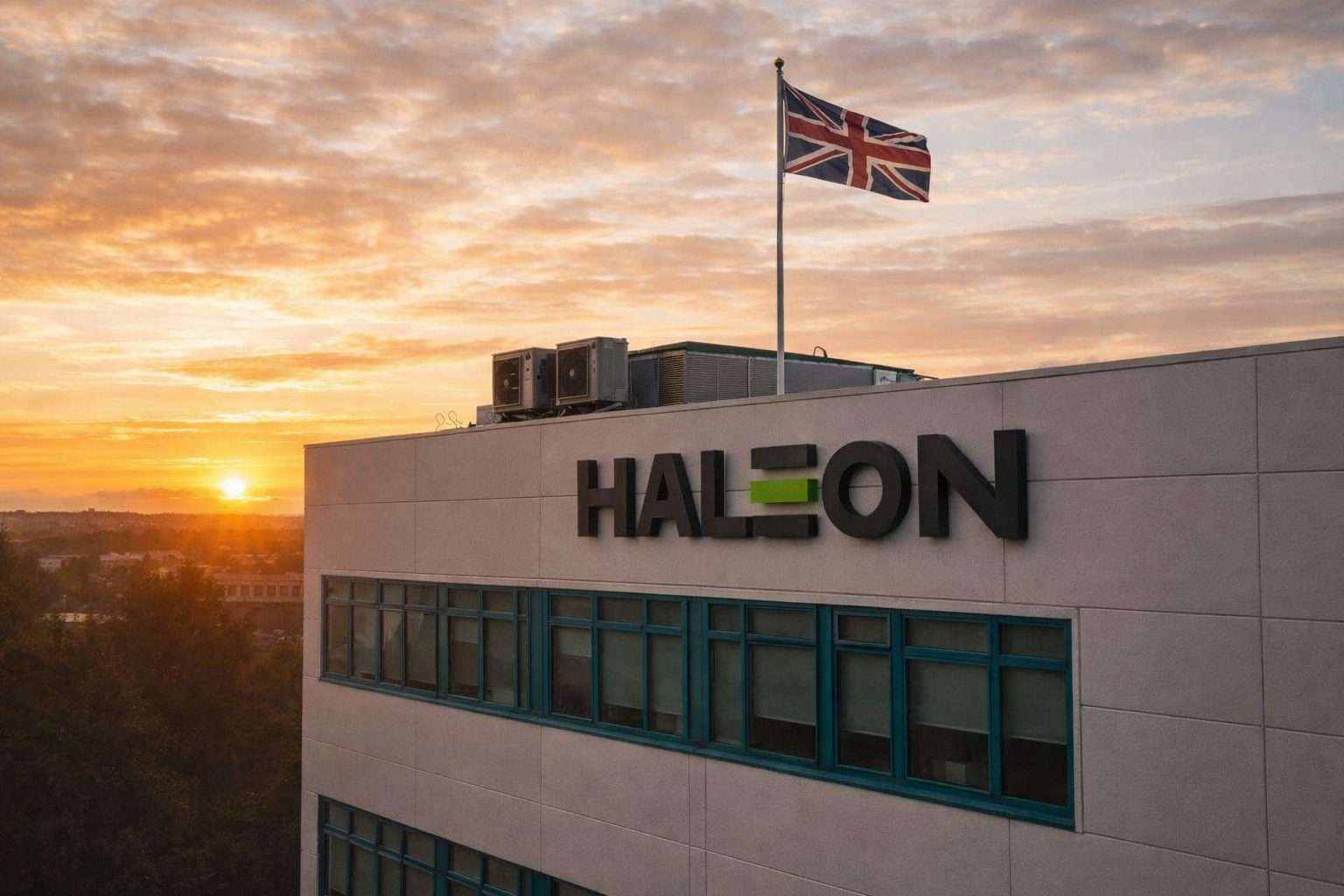
Haleon dropped 1.8% in London trading Tuesday, trailing a stronger FTSE 100, after a new director dealing notice hit just a day following another round of share buybacks from the Sensodyne maker. Shares closed at 359 pence, with the blue-chip index up 0.72%. 1
This is notable: Haleon shares are now changing hands below the price levels the company itself paid during its most recent buyback round, hinting that the £500 million repurchase program hasn’t yet turned the tide after February’s weaker guidance. According to Monday’s filing, Haleon snapped up and canceled 7.83 million shares between March 16 and March 20, paying between 375.9 pence and 394.3 pence—a range that sits above Tuesday’s closing price. A buyback refers to a company purchasing and canceling its own stock. 1
According to Tuesday’s filing, Chief Executive Brian McNamara picked up roughly 1.50 million shares through Haleon’s performance plan, plus another 133,733 shares via the deferred bonus plan, after both awards vested on March 23. The notice also disclosed that 704,974 shares and 63,012 shares were automatically sold off at 368.4419 pence each to meet tax obligations. 2
Growth remains the sticking point. Back in February, Haleon projected organic revenue would rise 3% to 5% in 2026—coming in below its own medium-term target of 4% to 6%. Currency shifts and acquisitions are excluded from that measure. According to the full-year numbers, North America organic sales dropped 0.4% in 2025, with group organic growth decelerating to 2.1% for the fourth quarter. 3
The U.S. consumer remains in the spotlight. “Many (U.S.) households feel financially stretched,” Chris Beckett at Quilter Cheviot said to Reuters back in February. Still, McNamara struck an optimistic note, telling Reuters, “We feel confident the U.S. will grow this year,” and pointed to leadership changes and distribution resets set to have an impact starting in the second quarter. 3
Sector sentiment remains rough. Reckitt shares tumbled over 6% on March 5, as investors pushed back against unclear guidance on margins and earnings. The takeaway: consumer health and household products aren’t seeing much patience when forecasts get shaky. 4
Haleon is ramping up its China strategy. “For us, China’s an incredible market,” CEO McNamara told Reuters this month, as the company moved forward with a 65 million pound investment into a Shanghai oral-health facility and eyed expansion of Parodontax across 30-plus cities by end-2027. That puts Haleon in direct competition with domestic heavyweight Yunnan Baiyao. Haleon claims Sensodyne is found in about 11% of Chinese households; Yunnan Baiyao’s share stands at 29.8%. 5
The immediate risk stands out. Persistent bargain-hunting from U.S. consumers and ongoing promotional activity could leave the buyback falling short of lifting sentiment on the stock. Haleon noted the programme—handled by HSBC—could run right up to Aug. 19. Still, the company made clear there’s no promise it will go the distance. 3