London, 23 Jan 2026, 13:22 GMT
- Heathrow has rolled out new scanners in all security lanes across its four terminals, allowing passengers to leave liquids and large electronics in their carry-on bags.
- The airport estimates the upgrade will cost £1 billion and claims it will reduce preparation time at checkpoints
- UK guidance continues to warn that rules differ between airports, with travellers potentially facing varying restrictions on return or connecting flights
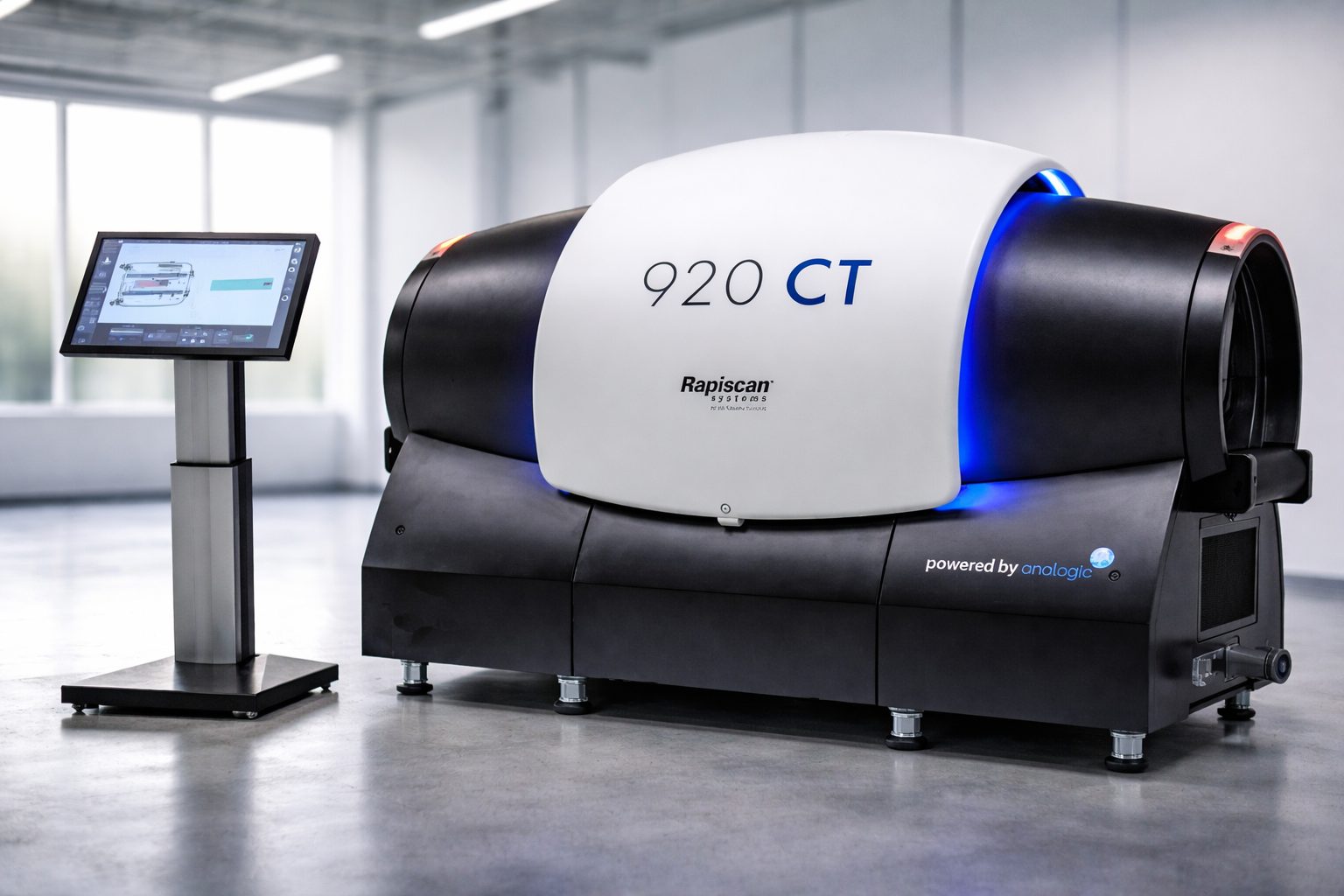
Heathrow, Europe’s busiest airport, announced on Friday that it has upgraded all security lanes with new computed tomography (CT) scanners. Passengers can now leave liquids, laptops, and tablets in their hand luggage during screening. The airport invested 1 billion pounds ($1.35 billion) in the technology, which can scan liquid containers up to two litres, doing away with the 100ml limit set in 2006 after a liquid explosives plot was uncovered. 1
Security checks cause major bottlenecks at busy airports, and Heathrow’s revamp aims to trim prep time and relieve strain during rush hours. The airport expects to eliminate nearly 16 million single-use plastic bags annually. Chief executive Thomas Woldbye stated, “Every Heathrow passenger can now leave their liquids and laptops in their bags at security.” 2
The change follows years of delays in rolling out new scanners and a policy flip that led some airports to bring back the 100ml liquid limit in 2024, the Guardian reported. The eased rule only covers departures from Heathrow, so travelers might still encounter stricter restrictions on return flights. 3
Heathrow’s website advises passengers across all terminals to keep large electrical devices and liquids—each in containers of up to two litres—inside their cabin baggage when passing through security. The airport also notes that this new scanning equipment might not be in use at other airports in the UK or overseas. 4
The Independent reported that these scanners employ CT technology, like that found in medical imaging, to provide officers with a 3D look inside bags. Gordon Dewar, CEO of Edinburgh Airport, remarked, “A whole generation of travellers have only known the 100ml rule” as airports started relaxing restrictions. 5
UK government guidance states: “At most airports, you cannot take liquids in containers larger than 100ml through security.” It also notes that rules vary by airport and advises passengers to verify restrictions at their departure airport as well as any others on their itinerary, including for the return trip. 6
Heathrow has lagged behind other major UK airports, while Gatwick, Stansted, and London City have already allowed passengers to keep liquids in their hand luggage, the Standard reported. Some airports still enforce a 100ml limit on liquids, even if travelers no longer need to remove them during screening, it added. 7
International Airport Review reports that the new lanes swap out traditional security for scanners that can handle thousands of passengers every hour. These scanners use sharper images, cutting down prep time and easing congestion. Heathrow revealed that over 97% of passengers waited under five minutes at security in 2025, crediting this upgrade as part of a broader effort to streamline operations. 8