
LONDON, June 6, 2026, 15:02 (BST)
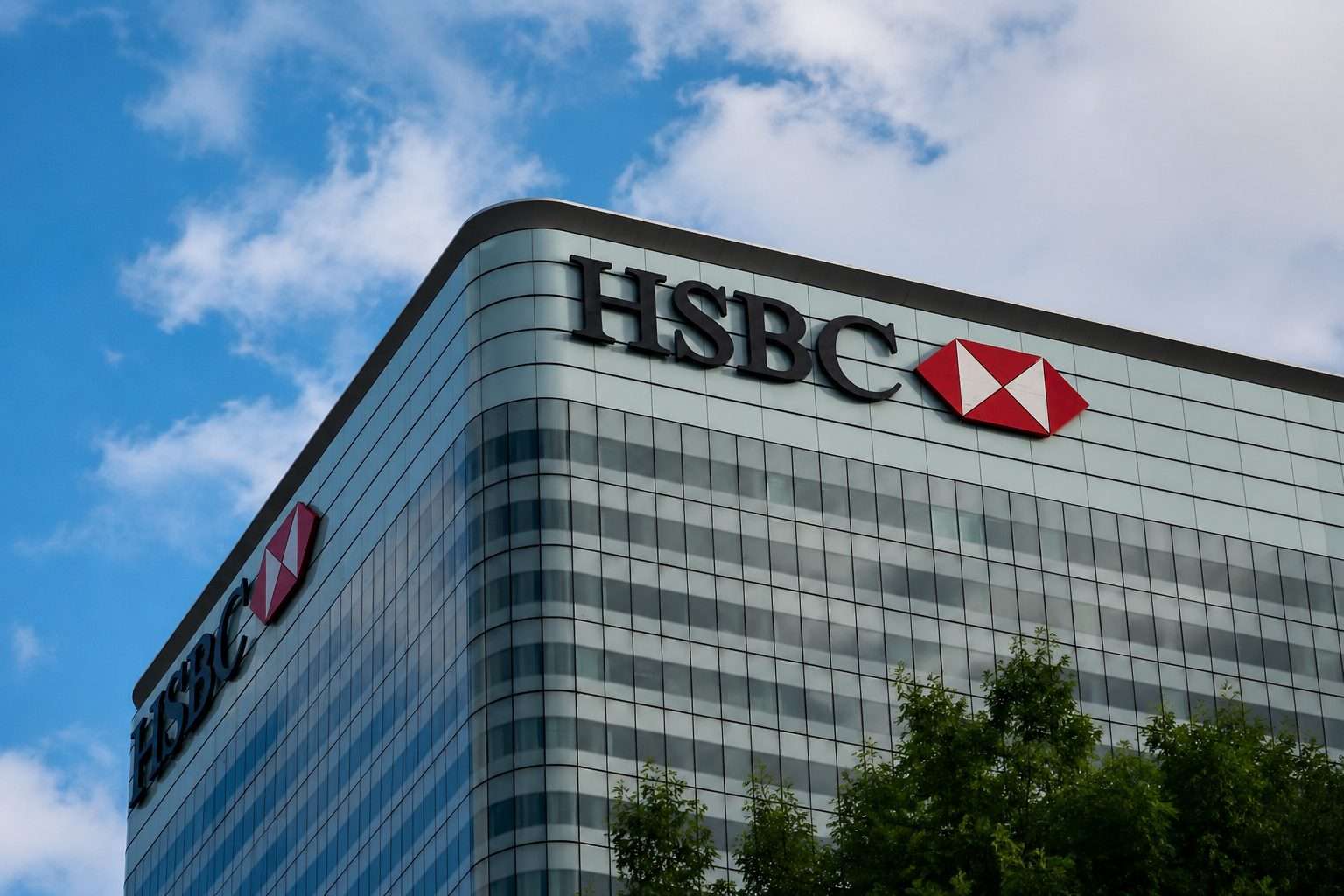
HSBC Holdings is in focus again this week as concerns over China risk return. HSBC’s London-listed shares dropped 2.35% over the last week, finishing Friday at 1,360.80 pence. Investors were selling financial stocks with exposure to Asia after tighter cross-border account checks. Markets in London and Hong Kong are closed for the weekend.
Policy was the driver here, not earnings. Capital controls — rules on moving money across borders — can squeeze banks and insurers if mainland Chinese clients pull back from using Hong Kong accounts for wealth, deposits or investment products.
HSBC, AIA Group and Standard Chartered shares dropped in Hong Kong on Friday, as worries about tighter capital controls out of Beijing weighed on firms tied to mainland China. Reuters said banks have raised scrutiny since China imposed stricter controls on May 22. Regulators in Hong Kong have told banks to verify where investors’ money comes from and shut down accounts using false or suspicious documents.
Banks lost ground Thursday in London. HSBC, Standard Chartered, and Prudential dropped between 5% and 6.3% after the South China Morning Post reported tighter restrictions for mainland customers trying to open offshore accounts at big Hong Kong banks. Reuters said staff at an HSBC branch in Lujiazui told clients that investment deposits needed to follow Hong Kong regulations.
HSBC ended Friday flat after a choppy day. Hargreaves Lansdown showed the stock quoted at 1,363.00p to sell and 1,363.40p to buy following the close, off 0.45%. Trading volume was 16.25 million shares. The FTSE 100 eked out a 0.07% gain.
FTSE 100 barely moved Friday, ending at 10,368.05 for a 0.07% gain on the day. That’s still below last Friday’s close of 10,409.28, a drop of about 0.4%. HSBC lagged even as the index steadied.
Some analysts called the market reaction overdone. Jefferies analyst Philip Kett said the new rules would bring “more friction” but aren’t meant to shake up the system. “There will be almost no impact on the life insurance industry,” Kett wrote. MarketScreener
Kett said the new rules look like an effort to enforce the rules already in place, not overhaul how the market works. “While changes to the regulatory process may introduce marginally more friction to the sales process of financial products, it is our view that these regulations are aimed at better enforcing existing rules rather than disrupting the system,” he said. Business Matters
HSBC gets some cover with that view, but it’s not off the hook. The bank breaks out business by Hong Kong, the UK, Corporate and Institutional Banking, and International Wealth and Premier Banking. A slowdown in China-Hong Kong wealth hits a segment investors track closely.
But the risks stay in focus. If regulators in Beijing or Hong Kong decide to step up checks, clients from the mainland may hold off on transfers, new accounts or buying new products. If rules turn out tighter, shares might keep falling, but if they are looser, shares could recover some losses. There’s also a fresh legal risk. Le Monde reported this week that HSBC Private Bank Suisse was formally named in a French probe over alleged embezzlement linked to ex-Lebanese central bank chief Riad Salameh. HSBC told Le Monde it could not comment on current legal issues but was still cooperating.
HSBC and its peers face a straightforward test Monday. Traders will see if these stocks move as a group on China policy once again, or if buyers look past last week’s drop as just a rules blip. In London, Standard Chartered and Prudential are the closest matches, while AIA is the main one to watch in Hong Kong.