
London, June 11, 2026, 09:28 (BST)
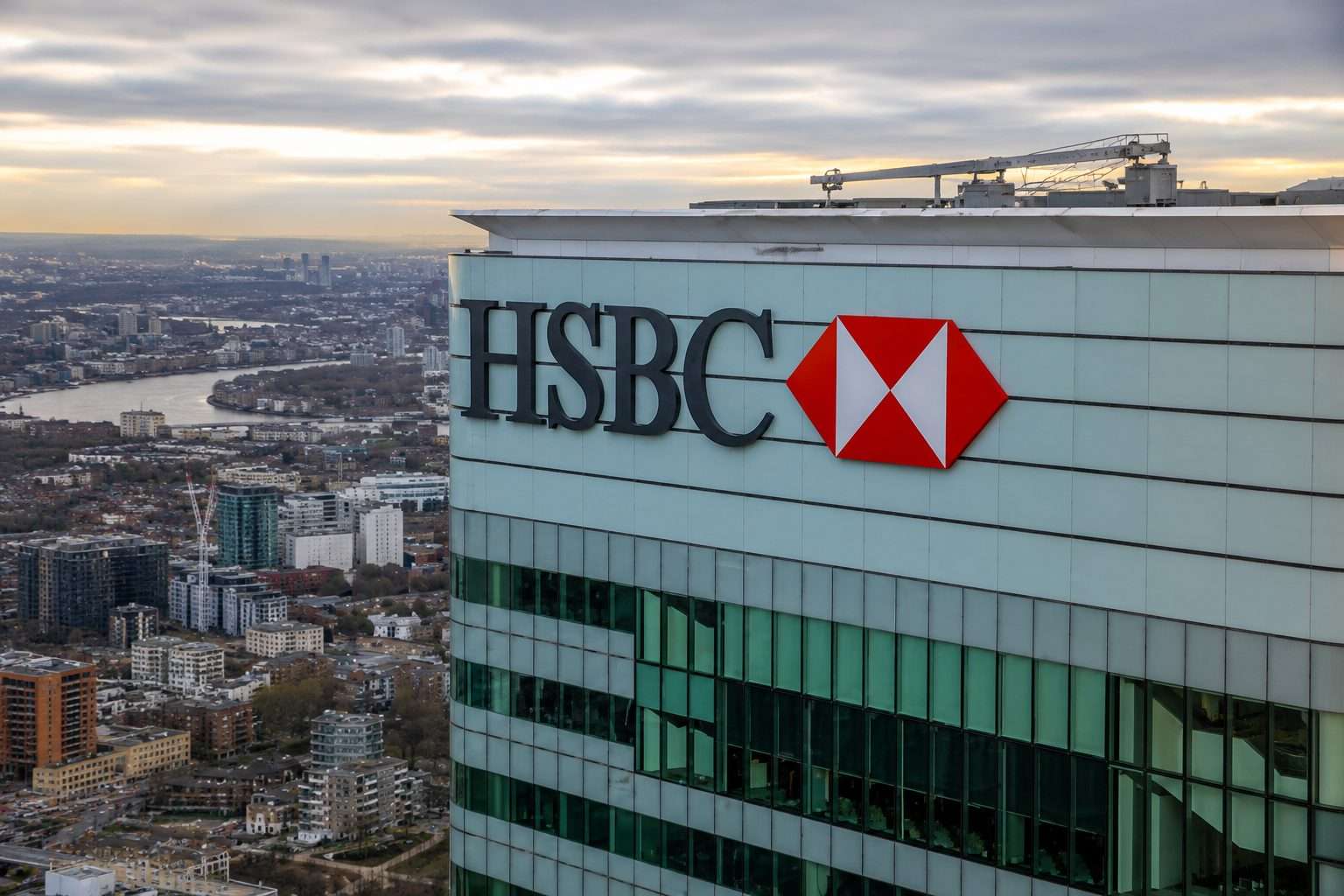
- HSBC shares traded up in both London and Hong Kong on the day. The London-listed stock rose 2.41% to 1,324.60p as of 09:21 BST. In Hong Kong, HSBC ended up 2.37% at HK$138.50.
- Shares rebounded while investors looked at whether Beijing’s stricter approach on cross-border flows could hit HSBC’s Hong Kong wealth and insurance business.
- JPMorgan and Morgan Stanley are trying to calm the sharpest market worries, AASTOCKS reports, though the main risk is still regulatory uncertainty.
HSBC Holdings Plc shares bounced in London and Hong Kong on Thursday. Investors are weighing if the recent selloff tied to China’s move on cross-border investment rules was overdone. HSBC’s London listing was up 2.41% at 1,324.60p as of 09:21 BST. The Hong Kong stock closed higher as well, finishing 2.37% at HK$138.50.
There was no new earnings release behind the move. HSBC’s stock exchange announcements page listed only standard regulatory filings so far in June, with a June 4 monthly securities return and June 1 voting-rights notices. Its most recent operating update is still the first-quarter earnings report from May 5.
Hong Kong is in sharper focus. Reuters said Thursday Beijing’s crackdown on cross-border capital is hurting banks, insurers and wealth managers tied to mainland clients. Some Hong Kong wealth firms are holding back on staff trips to the mainland and pausing client events. Shares of HSBC, AIA, Prudential and Standard Chartered have taken hits on their mainland exposure.
HSBC faces a direct risk here. Reuters said HSBC led Hong Kong insurers last year by new business premiums and is bringing in close to 800,000 new bank customers each year in 2024 and 2025, much of that from mainland visitors. HSBC told Reuters its account-opening and investment services are running as usual.
HSBC shares moved higher Thursday after a soft showing the day before. AJ Bell put the bank’s one-day total return at minus 1.37% on June 10, trailing the FTSE 100’s 0.27% gain and falling behind the UK large-cap index ahead of the latest rebound. Even with the bounce, London-listed HSBC shares stayed under their 52-week top of 1,416.80p, according to Google Finance.
Trade steadied after analyst notes. According to AASTOCKS, JPMorgan pointed out HSBC’s Hong Kong shares and Standard Chartered have dropped 8% and 10% since the offshore direct investment rules kicked in June 1, but said the impact should be manageable. JPMorgan is sticking with its Overweight ratings on both banks, setting HSBC’s target at HK$182 and Standard Chartered’s at HK$275.
Morgan Stanley echoed the same view, AASTOCKS reported, saying the new rules target illegal or grey-channel cross-border securities dealings and not regular offshore asset allocation for mainland residents. The bank said HSBC and Standard Chartered still run their banking and wealth units with tighter compliance, and it kept Overweight ratings on both stocks.
Risk is still there. “The biggest problem is that you never know how far the crackdown on cross-border capital flow can go,” Gary Ng, senior Asia-Pacific economist at Natixis, told Reuters. Ng said changes in business norms can “pose risks” to Hong Kong firms. Reuters
China’s securities regulator is trying to calm nerves. The China Securities Regulatory Commission told Reuters this week that the clampdown will not make mainland investors shut offshore accounts or sell assets. Still, brokers like Tiger, Futu and Longbridge have told clients in China they won’t be able to open new accounts, add to positions or bring in new funds starting from mid-June.
HSBC’s latest results help explain why holders aren’t in a rush to ditch the stock. The bank posted $18.6 billion in revenue for the first quarter, up 6% on last year. Profit before tax came in at $9.4 billion, down $0.1 billion. Net interest income climbed 8% to $8.9 billion, showing banks can still squeeze more from their lending margins after paying for funding and deposits.
HSBC left its return on tangible equity goal at 17% or higher for 2026 to 2028, not counting notable items. The bank bumped up its 2026 net interest income forecast for its banking unit to about $46 billion. HSBC also lifted its guidance for expected credit losses to roughly 45 basis points of average gross loans. A basis point equals one-hundredth of a percentage point.
HSBC relies on Asia for the bulk of its wealth inflows. The bank reported $39 billion in net new money for the first quarter, including $34 billion from Asia. Wealth balances were $1.6 trillion at March-end. That means any dip in mainland visitor numbers isn’t just noise for HSBC.
HSBC shareholders face some risk if tighter source-of-funds checks slow new account growth, cut mainland money flows, or drive up compliance costs, even if existing accounts stay open. The bank’s Common Equity Tier 1 ratio was 14.0% as of March 31, right at the lower end of its 14%–14.5% target range, showing its capital buffer is solid but not bottomless. HSBC said deciding on any share buyback restart will follow its regular quarterly process.
Mid-June brings the next test as broker curbs hit new mainland client business. Hong Kong banks need to keep allowed wealth and insurance flows open if Thursday’s rebound is going to last. If regulators look past grey-market brokerages, HSBC’s Hong Kong growth edge will keep facing headwinds.