
London, June 17, 2026, 09:22 BST
- HSBC shares in London edged up 0.13% to 1,411.40p at 09:15 BST, sitting a bit under their 52-week high of 1,418p. The FTSE 100 slipped 0.18% to 10,475.54.
- HSBC said it has struck a multi-year artificial intelligence deal with Google Cloud, targeting over 200 new use cases in the next two years.
- UK inflation stayed at 2.8% in May, just ahead of the Bank of England’s rate call on Thursday, as bank investors look to funding income and credit risk.
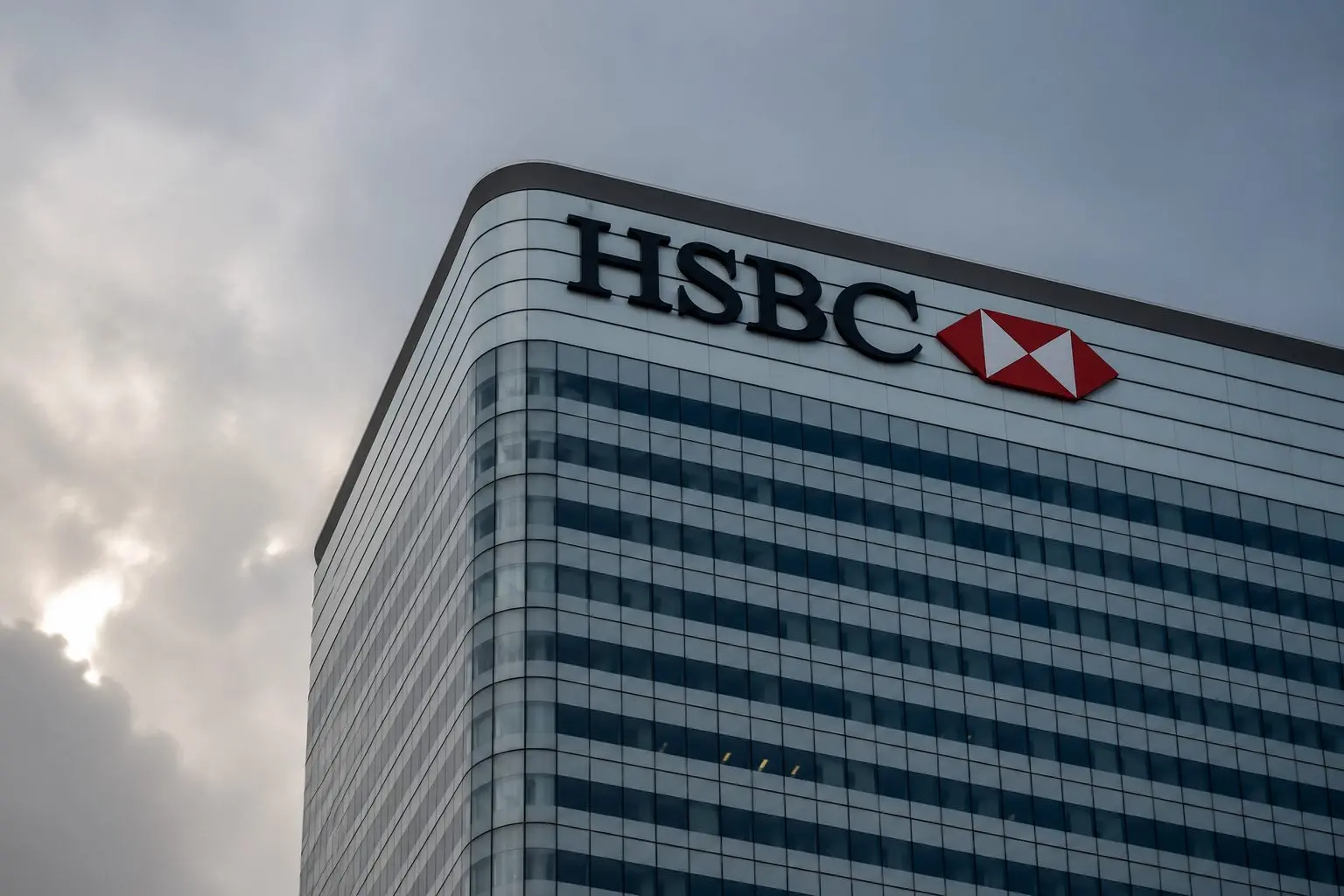
HSBC Holdings traded slightly up at the start of London dealings on Wednesday, staying near its 52-week high. The bank signed a wide AI agreement with Google Cloud, a move investors may weigh against HSBC’s stated cost goals.
Shares gained 0.13% to 1,411.40p as of 09:15 BST. The stock reached 1,414.00p early on, just shy of the 52-week high at 1,418p.
HSBC is betting it can use artificial intelligence to boost revenue and cut expenses, while still keeping controls tight. The lender is partnering with Google Cloud as part of CEO Georges Elhedery’s effort to put more AI to work across the bank, Reuters said. The move comes as banks compete to roll out the technology.
HSBC said the partnership is starting with wealth-management advice, financial crime risk controls, and better tools for frontline workers. The bank sees over 200 new AI uses coming in the next two years. It said top projects may each add at least $100 million in new revenue or cost savings.
Elhedery called AI “one of the defining technologies of our time” and said the Google Cloud tie-up would help build a “faster, and more personal HSBC.” Google Cloud CEO Thomas Kurian said the deal was a “blueprint for the future.” HSBC
FTSE 100 down; HSBC’s rivals edge higher
The FTSE 100 was 0.18% lower at 09:14 BST. Barclays gained 1.46% and Lloyds Banking Group added 0.12%, according to Google Finance. Other London-listed banks were mixed.
HSBC Hong Kong shares gained near the end of trading, last up 1.30% at HK$147.90 at 15:59 local time. The stock traded close to its 52-week top of HK$148.80, keeping it on the radar for Asia investors as the bank carries a big earnings base in the region.
HSBC shares were backed by recent earnings. In Q1, the bank posted $9.4 billion in pre-tax profit with revenue at $18.6 billion and an annualised return on average tangible equity at 17.3%. Return on tangible equity measures profit compared with shareholder capital without including intangible assets.
Risk comes down to execution. HSBC’s expected credit loss charge for the first quarter went up to $1.3 billion, as the bank sets aside more for loans that could go bad. HSBC said tougher stress scenarios might pull returns under its 17% target. The stock sits close to record highs, so if AI cost cuts take too long, regulators slow things down, or rates and credit turn worse, there’s less space for misses.
Banks are still getting some help from the macro side. British inflation held at 2.8% in May, surprising analysts. KPMG chief economist Yael Selfin told Reuters the numbers back a “continued cautious approach” by the Bank of England. Economists expect the BoE to keep rates at 3.75% on Thursday. Higher-for-longer rates mean banks can make more from deposits, but they also mean more strain for borrowers. Reuters