Mumbai, Feb 23, 2026, 22:48 (IST) — The session ended with the market closed.
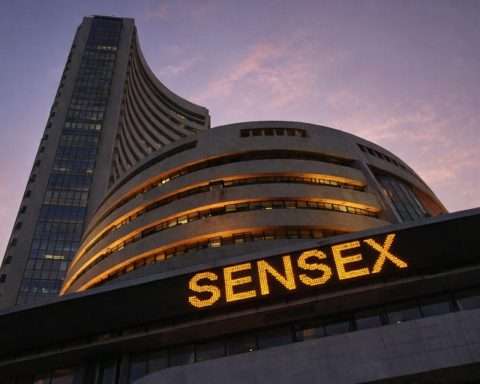
- Nifty 50 climbed 0.55%, while the Sensex advanced 0.58%, driven higher by financials and state-run banks.
- IT shares slid for another session, with renewed broker downgrades citing ongoing worries about AI.
- IDFC First Bank slid 16% as the lender reported a suspected fraud. Traders are watching the Feb 24 derivatives expiry.
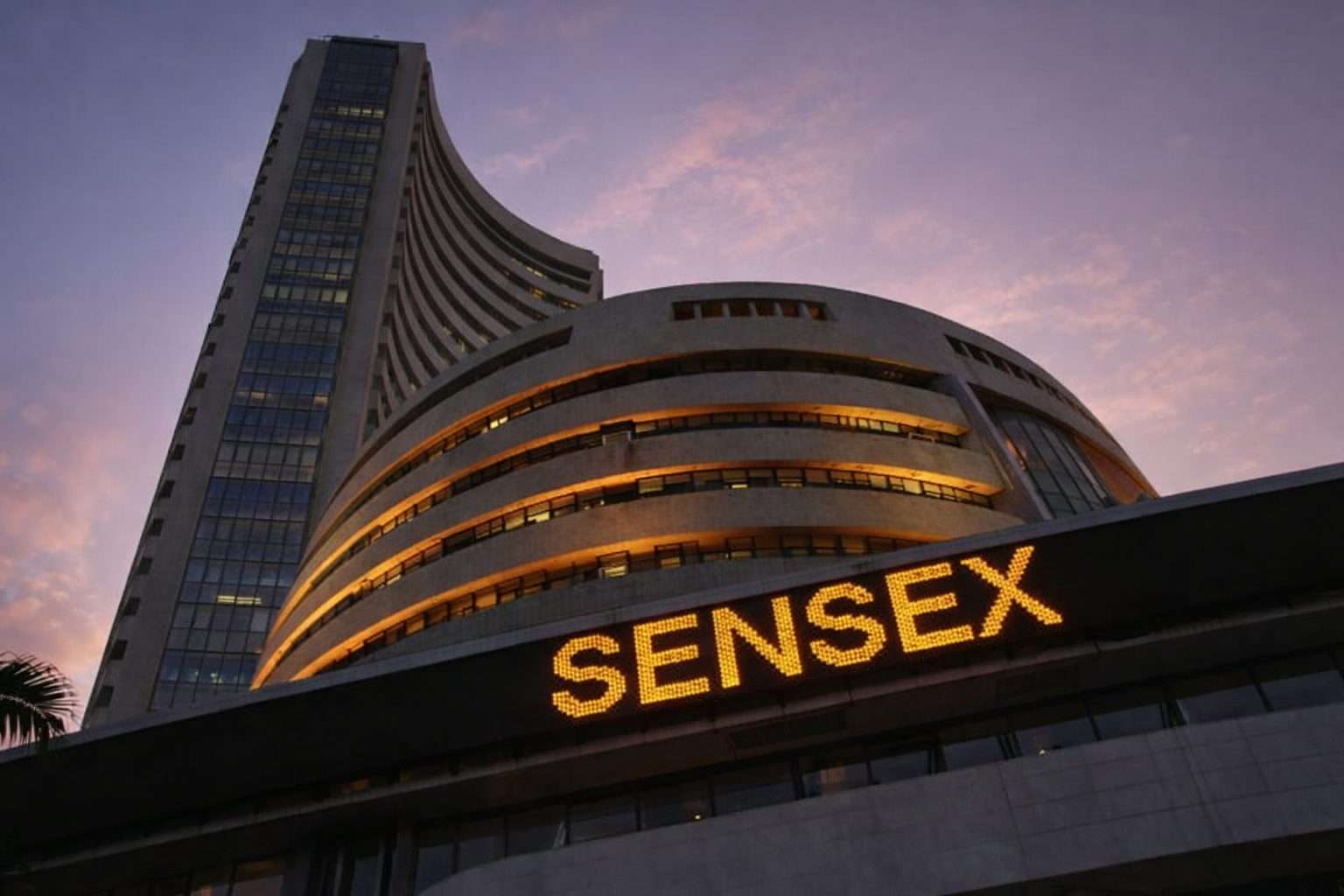
Indian equities climbed on Monday, after the U.S. Supreme Court struck down President Donald Trump’s broad tariffs—a move that helped quiet some trade nerves. The Nifty 50 advanced 0.55% to 25,713, while the Sensex finished 0.58% stronger at 83,294.66. Financials picked up 0.9%, with state-run lenders outperforming at 1.4%. Out of 16 sectors, only three lagged; the IT index dropped 1.4%. IDFC First Bank slumped 16% following news of a suspected fraud. (Reuters)
The tariff decision landed in Mumbai with real impact, targeting the export and outsourcing sectors—those most reliant on U.S. demand. Timing wasn’t great, either: it came as trade negotiations with Washington were still up in the air, and investors have been eyeing whether India manages to push talks forward or ends up swept into another round of broad U.S. tariffs.
Relief came with caveats. After Trump floated a temporary global tariff, the market’s “risk-on” tone hesitated—no stampede this time. Mid-caps dragged, small-caps barely budged, according to traders. That’s what happens when buyers stay selective.
“Investors are still looking for more direction on Trump’s updated strategy,” said Vinod Nair, head of research at Geojit Investments. LKP Securities’ Rupak De, senior technical analyst, sees the index holding steady for now—unless it breaks above 25,750 or slips under 25,600. (mint)
Caution crept into tech stocks. Jefferies cut ratings on six Indian IT firms—Tata Consultancy Services and Infosys among them—warning that AI tools may drive structural shifts in outsourcing. Infosys and Wipro each slid roughly 2%. Mid-caps like Coforge and Mphasis took larger hits.
IDFC First Bank shares tumbled 16.1% after the lender reported a suspected fraud of 5.9 billion rupees ($65 million) tied to Haryana government accounts at its Chandigarh branch. The bank said KPMG has been brought in for a forensic review. “There is no systemic issue with the bank,” said RBI Governor Sanjay Malhotra. Four of the bank’s employees were suspended. AU Small Finance Bank also fell after the Haryana government struck it from its roster of banks handling state transactions. (Reuters)
The rupee closed at 90.8825 per dollar, up 0.1%, after paring early gains as importers stepped in to hedge and traders eyed maturing forward contracts. “There were outflows in the market, and traders are also positioning for the NDF maturity through the week,” said Anil Bhansali of Finrex Treasury Advisors, pointing to non-deliverable forwards—offshore contracts settled in dollars. (Reuters)
The risks aren’t exactly hidden here. A swing in tariff policy or a spike in oil—say, on geopolitical jitters—could drain buyers fast. IT stocks are feeling the strain from recent AI-related downgrades, and valuations remain keyed to U.S. growth, leaving little cushion.
The F&O expiry hits Tuesday, often stirring up volatility as traders shift out of expiring positions. IDFC First Bank remains in focus after a sharp drop, while Vedanta, Bharti Airtel, and Ola Electric are in play following fresh company news. (The Economic Times)
Investors are eyeing Feb. 27, when India unveils a fresh GDP series anchored to the 2022-23 base year. The release, along with any tweaks to prior numbers, could shift growth sector positioning and sway rate outlooks. (Press Information Bureau)
The next week’s going to be a shorter one—NSE shuts on March 3 for Holi. Certain desks already see trading likely slowing before the holiday.
Next session, it’s a straight shot: if banks keep buying, if IT selling cools off, and if tariff news doesn’t steal the spotlight, traders could get some breathing room to square up before Friday’s GDP print.