Jakarta, Feb 28, 2026, 14:51 WIB — Market is closed.
- The Indonesia Stock Exchange plans to raise the minimum “free float”—shares open for public trading—to 15%, rolling out the increase in stages.
- The Jakarta Composite drifted down to close the week, while turnover picked up despite a drop in market value.
- Fresh ownership disclosures land next week, with global risk cues also drawing attention.
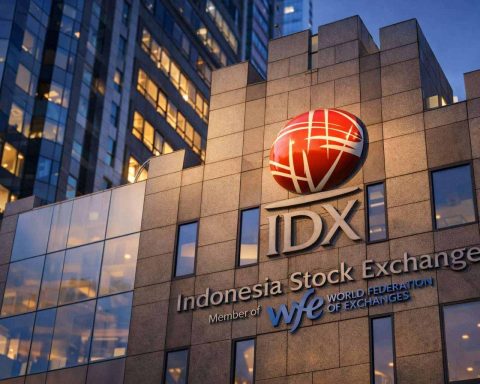
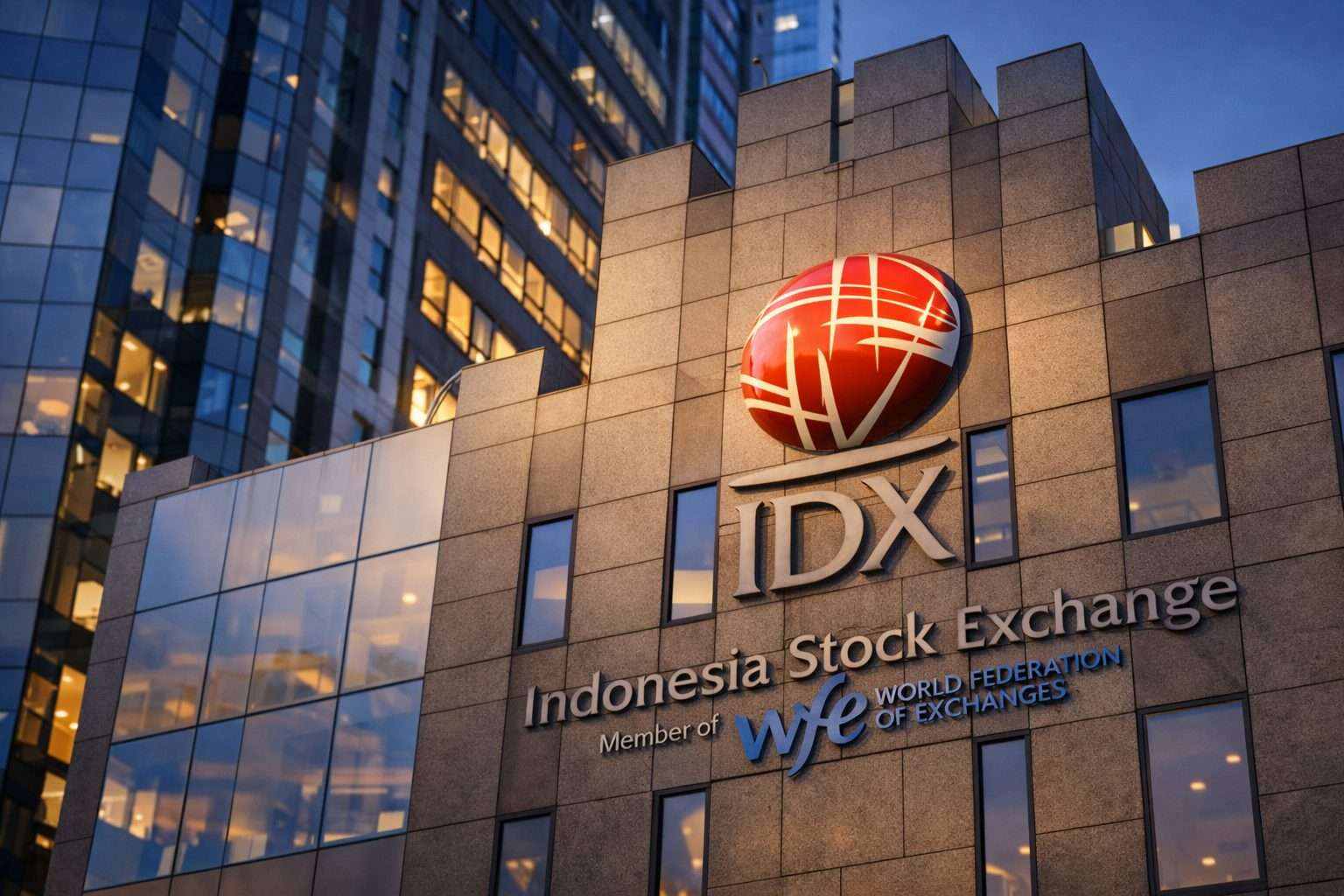
Indonesia’s stock exchange is rolling out a new rule set to require listed firms to boost their minimum free float to 15%. The change could channel more shares into public hands and curb risk appetite in Jakarta. Interim CEO Jeffrey Hendrik flagged absorption as the “main concern,” noting over 200 companies still sit below the mark. 1
Awkward timing here. The Jakarta Composite has clawed back from earlier lows, yet for the year, it’s still lagging every other regional benchmark. Investors are on edge—policy shifts threaten liquidity or could trigger forced sales.
Boosting free float tends to support trading and makes things more transparent. Still, if issuers dump shares too quickly, an overhang can form. Companies uninterested in following the rules might decide to delist, Hendrik said.
The Jakarta Composite (IHSG) wrapped up the week of Feb. 23–27 at 8,235.485, down 0.44%, according to a statement from the exchange’s corporate secretary, Kautsar Primadi Nurahmad, cited by local media. Turnover was sharply higher: average daily transaction value surged 25.35% week-on-week to 29.52 trillion rupiah. Market cap edged down 1.03% to 14,787 trillion rupiah. Foreign investors, meanwhile, posted a net sell of 694.22 billion rupiah on Friday, bringing the year-to-date total to 9.51 trillion rupiah, per the statement. 2
Headline numbers mask the volatility: the index jumped to 8,396.08 Monday, only to give back ground across the next two sessions, sinking to 8,280.83 Tuesday. A small rally Wednesday didn’t stick. Thursday’s sharp slide erased gains and by Friday, the index closed almost unchanged at 8,235.49. 3
Trade risk was a factor. On Feb. 24, the U.S. Commerce Department rolled out preliminary countervailing duty rates aimed at solar cell and panel imports from India, Indonesia, and Laos—tariffs meant to neutralize subsidies. For Indonesia, the “all others” rate landed at 104.38%. PT Blue Sky Solar Indonesia was hit with 143.30%, while PT REC Solar Energy Indonesia faces 85.99%. The department expects to make its final calls by July 6, 2026. 4
Friday’s finish barely moved the needle. Pilarmas Investindo Sekuritas flagged a holding pattern ahead of China’s February PMI data and Beijing’s key annual parliamentary gathering, which runs March 4–11. Trade friction was still top of mind after the U.S. rolled out solar tariffs. The index closed just shy of 8,235, swinging between 8,093 and the day’s highs, with Bakrie & Brothers posting notable gains while Satria Mega Kencana landed among the sharpest decliners. 5
The real issue for Monday, March 2: Do investors see last week’s pullback as a fresh entry point—or is it just the first sign that more selling pressure is ahead?
Here’s the risk: should the exchange’s new threshold cause a surge of secondary offerings while demand remains shallow, some tightly held stocks could see their prices gap down, dragging sentiment along. More trade escalation would only intensify the pressure.
Traders have their eyes set on specifics next week. The exchange intends to release names of shareholders holding over 1% in listed firms, along with a roster of companies marked by heavy share concentration. Once the free-float regulation gets the green light, a “priority group” will be identified. That round of disclosures, paired with China’s annual meeting kicking off March 4, marks the key events poised to sway risk appetite in Jakarta.