CUPERTINO, California, Jan 9, 2026, 01:38 PST
- StatCounter data cited by tech sites puts iOS 26 on about 15–16% of active iPhones worldwide in January
- More than 60% of tracked iPhones remain on iOS 18, a reversal from prior upgrade cycles
- A separate dataset from TelemetryDeck suggests a much higher share for iOS 26, underscoring how measurement drives the headline
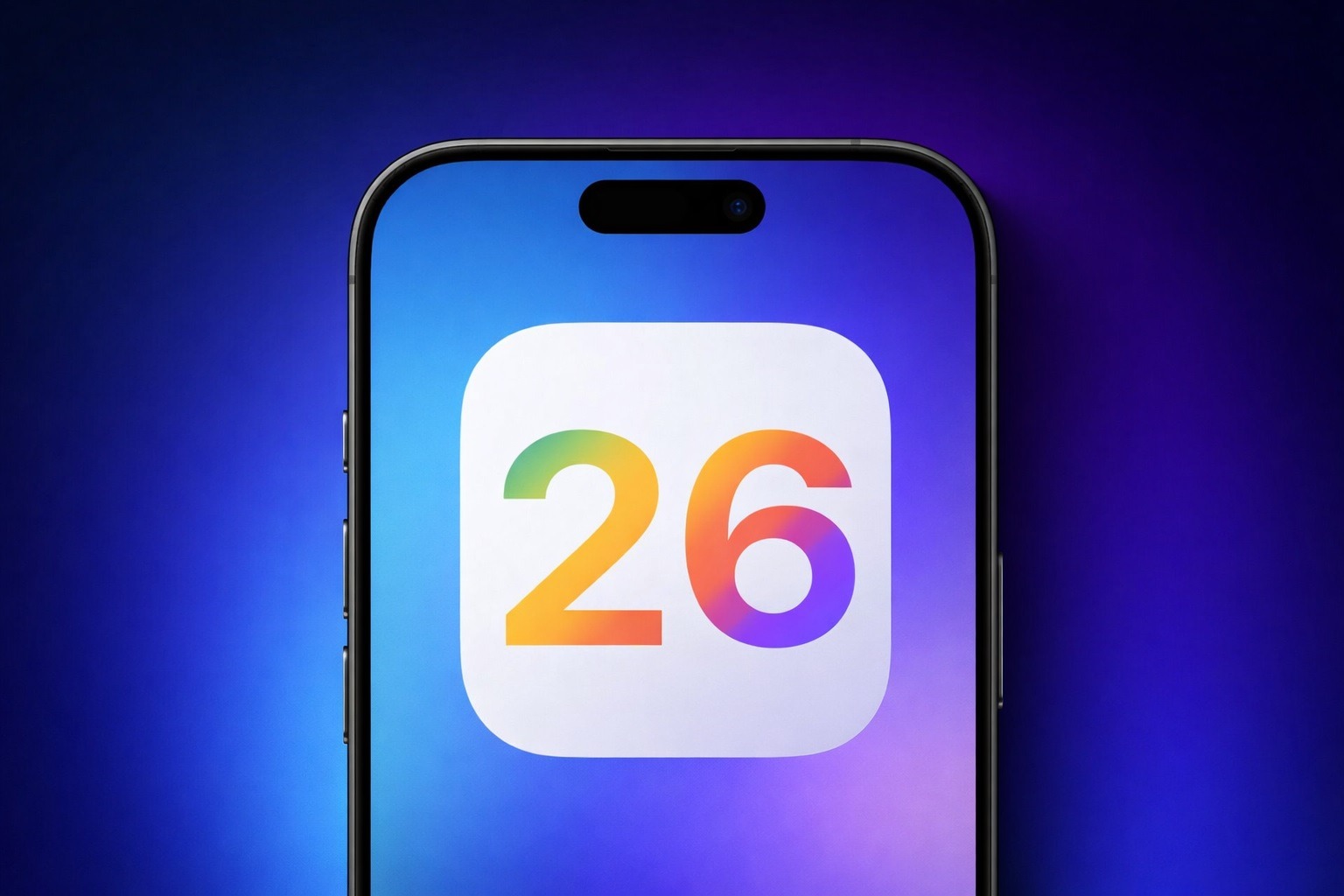
iOS 26 is lagging past iPhone software upgrades, with third-party tracking data indicating only about 15% to 16% of active iPhones worldwide have moved to Apple’s latest operating system roughly four months after release. MacRumors’ own analytics showed 25.7% of its readers ran some version of iOS 26 in early January, versus 89.3% on iOS 18 in the same period a year earlier, while Apple has not published official adoption figures. 1
Why it matters now is simple: Apple’s software cadence assumes fast uptake. New iOS versions usually become the baseline for app makers within months, tightening security coverage and letting developers lean on newer features instead of building workarounds for older devices.
This cycle looks different partly because users can sit tight without feeling reckless. iOS 26 launched in mid-September, but many people have stayed back on iOS 18, and Apple’s continued support for older versions has reduced the usual urgency to jump immediately. 2
StatCounter’s January snapshot, as relayed by The Mac Observer, showed iOS 18 above 60% globally, led by iOS 18.7 at 33.8% and iOS 18.6 at 25.2%. iOS 26 sat near 16% in total, with iOS 26.1 at 10.6%, iOS 26.2 at 4.6% and iOS 26.0 at 1.1%; the site said prior cycles had already cleared 50%+ by this point. The same article pointed to TelemetryDeck data suggesting around 60% on the latest software, highlighting a split between web-impression tracking and app-based telemetry via a software development kit (SDK). 3
TelemetryDeck, which publishes its own adoption dashboards, flags that its “iOS” charts also include iPadOS and notes biases in the dataset. It also says iOS 19 and iOS 26 can be reported side-by-side because of differences in development environments, and it combines them when presenting iOS 26 totals. 4
The backdrop is a rare redesign that has divided users. Apple introduced “Liquid Glass,” a translucent interface overhaul, and software chief Craig Federighi called it “the biggest redesign since iOS 7,” according to TechRepublic; IDC vice president Francisco Jeronimo described WWDC 2025 as “careful calibration” rather than a slate of disruptive changes. 5
But the adoption story comes with a big asterisk. Web-based estimates can undercount users who spend more time inside apps than browsers, while developer-heavy telemetry can skew toward a different slice of the installed base. Even the direction can shift quickly if Apple nudges iOS 26 as the default “recommended” update, or if later point releases smooth over early rough spots.
Apple usually benefits from a tighter update pipeline than rivals such as Google’s Android, where handset makers and carriers play a larger role in rollouts. If iOS 26 really is moving more slowly, developers may keep iOS 18 support around longer than planned, delaying broader use of iOS 26-only features.
For now, the clean takeaway is that the upgrade curve is no longer a single number. The next few months should show whether iOS 26 catches up, or whether Apple’s new look — and a lower sense of urgency — keeps a larger share of iPhones on iOS 18 well into 2026.