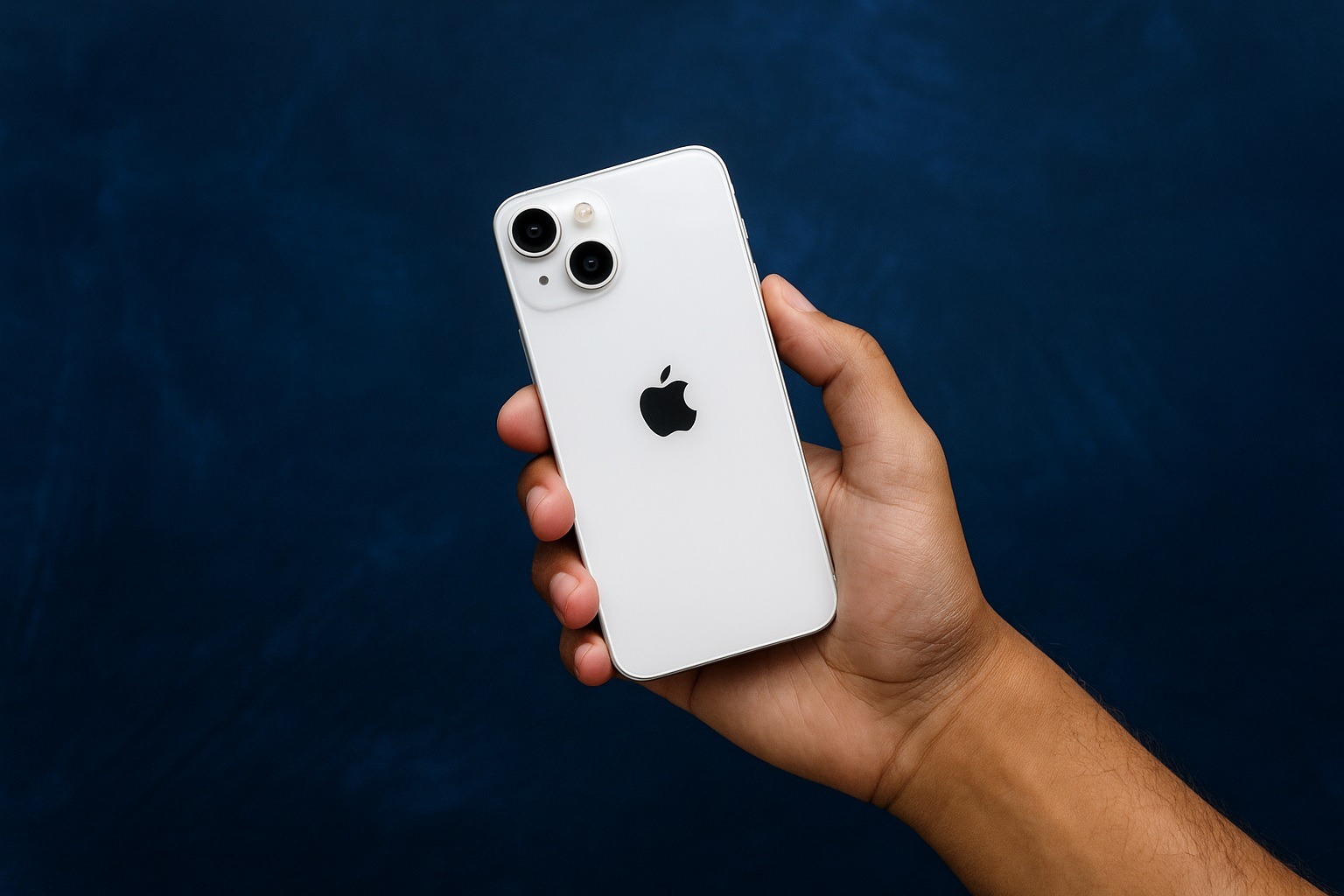

Apple’s iPhone 17 lineup is the first in years to bring major “Pro” perks to the standard model. Here’s what’s new today, how it stacks up to recent iPhones, and why so many buyers still reach for the Pro.
Key takeaways
- The standard iPhone 17 finally gets ProMotion (120Hz) on a larger 6.3‑inch display, tougher Ceramic Shield 2 glass, and 256GB base storage. It’s powered by the new A19 chip.
- Battery life gets a tangible leap — Apple rates the iPhone 17 for up to 30 hours of video playback; fast‑charging hits 50% in ~20 minutes with a high‑wattage USB‑C adapter.
- Connectivity is modernized with Apple’s N1 wireless chip (Wi‑Fi 7, Bluetooth 6, Thread) for faster, more reliable AirDrop, hotspot, and smart‑home use.
- Cameras are upgraded across the board: all‑48MP rear sensors on iPhone 17, plus a new 18MP Center Stage front camera that can frame group selfies automatically.
- Why buyers go Pro: A 3‑camera array (all 48MP) with the longest optical‑quality zoom yet (up to 8×), a new aluminum unibody with vapor‑chamber cooling, and pro video tools (ProRes RAW, Log 2, genlock) headline the 17 Pro and Pro Max.
- Market pulse this week: A TechRadar reader poll shows 50% of respondents chose a 17 Pro or Pro Max (evenly split), echoing strong Pro demand late into the cycle.
What’s new on iPhone 17 (and why it matters)
A bigger, smoother display. Apple’s 6.3‑inch Super Retina XDR display adds ProMotion (up to 120Hz) and an Always‑On mode. Ceramic Shield 2 promises 3× better scratch resistance and reduced glare; peak outdoor brightness hits 3,000 nits for easier readability.
A19 chip and real‑world battery gains. Built on Apple’s third‑gen 3nm process, A19 brings speed and efficiency improvements that, combined with power management in iOS 26, yield up to 30 hours of video playback on the standard iPhone 17.
Connectivity for 2026 and beyond. Apple’s N1 wireless chip adds Wi‑Fi 7, Bluetooth 6, and Thread, making iPhone 17 a stronger hotspot, a better AirDrop partner, and a more seamless smart‑home controller.
Camera upgrades you’ll actually use. iPhone 17 goes all‑48MP on the rear cameras, including a new 48MP Ultra Wide for more detailed macro and landscape shots. The 18MP Center Stage front camera uses a square sensor and AI framing so you can hold the phone vertically and still capture landscape‑style group selfies that keep everyone in frame.
Storage starts at 256GB. Apple doubled the entry storage to 256GB at $799 in the U.S., a quality‑of‑life change you’ll appreciate over the years.
Context: Until now, this kind of screen smoothness and feature set lived on Pro models. Outlets highlighted that ProMotion coming to the base iPhone is a major shift from prior generations.
iPhone 17 vs. iPhone 16/15/14: the quick comparison
| Model | Display | Base storage | Chip | Notable gains if you jump to iPhone 17 |
|---|---|---|---|---|
| iPhone 17 (2025) | 6.3″ ProMotion (120Hz), Ceramic Shield 2 | 256GB | A19 | New 18MP Center Stage front cam; all‑48MP rear; N1 (Wi‑Fi 7/BT 6/Thread); 30‑hr video playback. |
| iPhone 16 (2024) | 6.1″ (no ProMotion) | 128GB | A18 | Moving to 17 brings 120Hz, bigger display, double storage, stronger battery and connectivity. |
| iPhone 15 (2023) | 6.1″ | 128GB | A16 | Jump nets 120Hz, larger screen, tougher glass, big camera and battery gains. |
| iPhone 14 (2022) | 6.1″ | 128GB | A15 | The 17 is a multi‑generation leap: higher refresh, better cameras, more storage, modern wireless. |
Who should go Pro in 2025?
If you care about telephoto reach, sustained performance, and pro video, the iPhone 17 Pro/Pro Max are in a different class:
- Cameras: Three 48MP rear cameras including a new 48MP telephoto; Apple quotes up to 8× optical‑quality zoom with improved sharpness.
- Thermals & endurance: A vapor‑chamber in an aluminum unibody allows higher sustained performance and larger batteries — especially noticeable for long shoots or gaming.
- Video toolset:ProRes RAW, Log 2, ACES support, and genlock enable multi‑camera sync and cinema‑grade workflows. If you know what those mean, you’ll likely want the Pro.
- Storage headroom: 17 Pro Max can be configured up to 2TB.
No surprise then that a TechRadar poll this week shows half of respondents opted for Pro/Pro Max, evenly split between the two.
9 standout iPhone 17 features making upgrades compelling
BGR’s roundup captures why this year’s base model is so tempting; here are the most practical upgrades, corroborated with Apple’s specs:
- ProMotion 120Hz on the standard model;
- Always‑On display;
- A19 performance (with faster graphics and Neural Accelerators);
- All‑48MP rear cameras with a new 48MP Ultra Wide;
- 18MP Center Stage selfie camera;
- Longer battery life (Apple quotes up to 30 hours video);
- N1 wireless (Wi‑Fi 7/BT 6/Thread);
- Ceramic Shield 2 with better scratch resistance and less glare;
- 256GB base storage (double last year’s).
Real‑world upgrade check: from iPhone 13 mini to iPhone 17
AppleInsider’s four‑year jump story mirrors what many owners will feel: snappier performance, smoother navigation with ProMotion, better low‑light imaging, and useful quality‑of‑life touches like Dynamic Island and the enhanced selfie camera. Even a minimalist user noticed fewer app crashes and faster launches after moving to 17.
Should you upgrade today?
- From iPhone 14 or older:Yes, strong case. You’ll see dramatic improvements in display smoothness, camera flexibility (including far better ultrawide and selfies), battery life, durability, and wireless features — plus more storage headroom by default.
- From iPhone 15:Likely yes if you care about a 120Hz screen, tougher glass and brighter outdoor use, and the new cameras/connectivity; otherwise, you could wait one more cycle.
- From iPhone 16:Consider your priorities. The 17 brings 120Hz and 256GB base — meaningful quality‑of‑life upgrades — but if your 16 feels fast and you don’t mind 60Hz, staying put is reasonable.
- Creators/pro users: The 17 Pro/Pro Max are worth it for telephoto reach, thermal headroom, and pro codecs — they’re unique to the Pro line.
Pricing and availability (U.S.)
- iPhone 17: from $799 (256GB). Colors: black, lavender, mist blue, sage, white.
- iPhone 17 Pro: from $1,099 (256GB); Pro Max up to 2TB. Finishes include deep blue, cosmic orange, and silver. (Regional pricing varies.)
The bottom line
For the first time in years, the standard iPhone is the mainstream sweet spot: silky 120Hz, stronger battery life, bigger display, upgraded cameras, and modern wireless — without forcing a leap to Pro pricing. If you’re on an iPhone 14 or older, this is a slam‑dunk upgrade. Power users and creators should still favor the iPhone 17 Pro/Pro Max for their unmatched camera system, thermals, and pro‑video stack.
Sources & further reading
- Apple Newsroom (iPhone 17): display, cameras, A19, Ceramic Shield 2, N1 wireless, battery life, colors, pricing.
- Apple Newsroom (iPhone 17 Pro/Pro Max): unibody design with vapor‑chamber, 3×48MP system, 8× optical‑quality zoom, pro video (ProRes RAW, Log 2, genlock), 2TB option.
- The Verge (context): ProMotion’s move from Pro to standard iPhone.
- Apple Newsroom (iPhone 16 and earlier): confirms iPhone 16 base 128GB and prior specs; helps frame the jump to 17.
- TechRadar (Nov. 5, 2025): poll showing 50% of respondents chose iPhone 17 Pro/Pro Max.
- BGR (Nov. 5, 2025): round‑up of nine compelling iPhone 17 features.
- AppleInsider (Nov. 6, 2025): a four‑year real‑world upgrade from iPhone 13 mini → iPhone 17.