
LONDON, June 19, 2026, 16:03 (BST)
- Sainsbury shares were at 300.9 pence, off 0.36%, as of 15:37 BST in London trading.
- Asda posted a wider pretax loss of £989 million for 2025, after declines in both sales and underlying earnings.
- Sainsbury’s is still buying back shares. The company’s first tranche could be up to £200 million and expected to run until September.
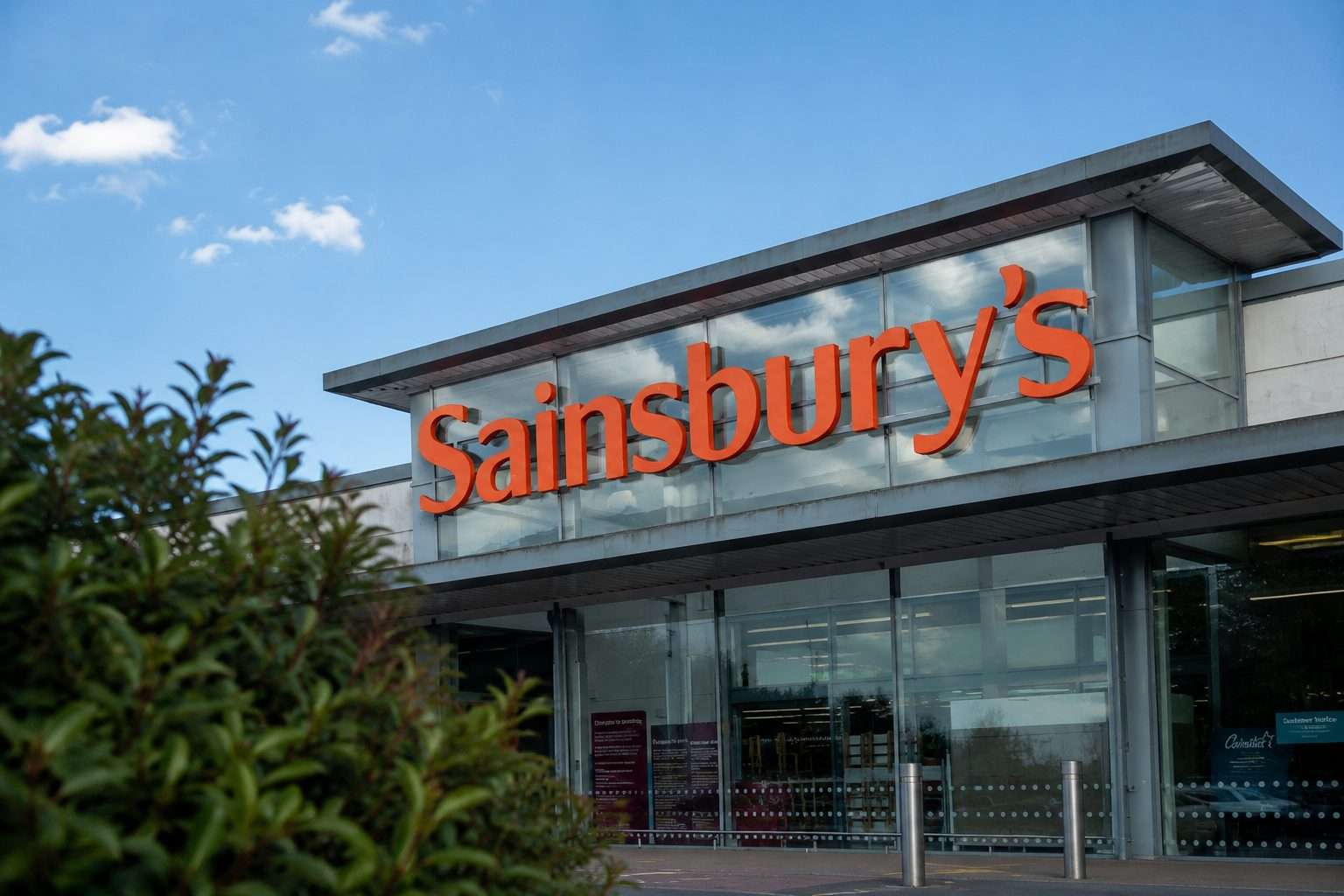
J Sainsbury shares slipped on Friday, trading close to 301 pence in late London action. The stock was down around 0.5% in a delayed read, moving in line with a 0.3% drop for the FTSE 100. Investors are balancing new signs of stress for Britain’s supermarket sector.
Sainsbury hasn’t issued a new warning, but costs from the price war are hitting the bottom line. Asda posted a £989 million pretax loss after chair Allan Leighton tried to undercut rivals by 5% to 10%. He had warned profits would take a hit. Total sales dropped 3.4%.
Sainsbury’s takeaways are mixed. Asda keeps losing sales, leaving an opening for rivals to grab shoppers. But Asda’s price cuts also mean Tesco and Sainsbury have to keep spending to stay competitive on value. That can help them hold on to volumes, though it puts more pressure on margins.
Tesco posted lower than expected UK like-for-like sales growth for the first quarter on Thursday, up 1.8% against a 2.3% estimate from analysts. CEO Ken Murphy told reporters he “wouldn’t be reading too much into it.” Profit guidance is unchanged, which Garry White of Charles Stanley said “should reassure investors.” Reuters
Matt Britzman, senior equity analyst at Hargreaves Lansdown, said Tesco’s weaker number looks like “a temporary blip rather than a bigger trend,” blaming tough comps with the year before. The split is key here—a brief pause for Tesco doesn’t do much for Sainsbury as Tesco keeps its muscle on scale and pricing. Hargreaves Lansdown
Wider spending numbers gave mixed signals. UK retail sales volumes jumped 1.2% in May, beating forecasts, but most of the growth came from online retailers and department stores. “Consumers have been surprisingly resilient to higher energy prices,” said Rob Wood, chief UK economist at Pantheon Macroeconomics. Reuters
Sainsbury’s Friday filing didn’t include an operating update. It reported buying 1.15 million shares on June 18 at a volume-weighted average price of 300.80 pence. The company plans to cancel the shares.
Sainsbury’s reported grocery sales up 5.2% for the year to February, but underlying retail operating profit slipped 1.1% to £1.025 billion as cost inflation and price investment cut into margins. CEO Simon Roberts said “continued strong Grocery momentum” had carried into the new year. Sainsbury’s
Sainsbury analysts see a risk the price war drags on with energy, labour and supply bills still high. Sainsbury’s latest consensus shows £1.061 billion underlying operating profit penciled in for this year, but hitting that could get tougher if discounting goes deeper or Argos slips again. It’s possible to get more volume but not enough profit on those sales.
Sainsbury’s next update is due June 30, when first-quarter numbers hit. Focus will be on grocery volumes, food inflation, how Argos sales performed, and any update to profit guidance. Routine buyback news, which has been supporting shares, is less important now.