TOKYO, Jan 27, 2026, 22:11 JST
- Sources indicate Japan and the United States are weighing the construction of a synthetic diamond plant on U.S. soil, marking one of the initial ventures under Japan’s $550 billion investment scheme.
- China dominates the synthetic diamond market and has begun limiting exports of some artificial diamonds.
- A power project linked to Hitachi remains in its early phases; Element Six has confirmed no formal agreements are in place yet.
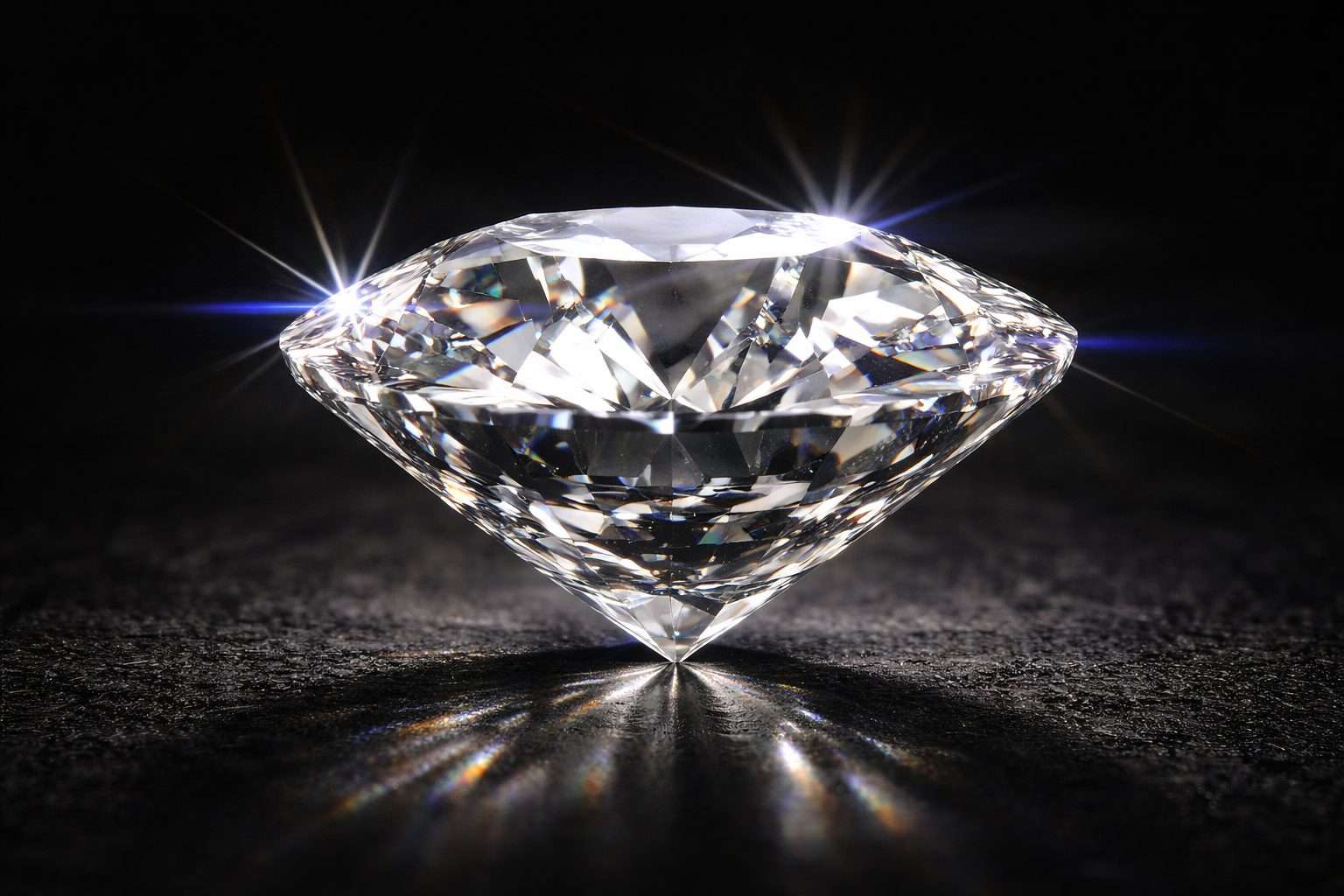
Japan and the U.S. are targeting a synthetic diamond facility on American soil, focusing on this lab-grown material vital for chip manufacturing and precision instruments, two insiders reveal. The initiative is a priority within Japan’s $550 billion investment strategy and might be among the earliest announcements ahead of Japanese Prime Minister Sanae Takaichi’s anticipated U.S. visit in March. 1
The timing underscores a push by both allies to tighten supply chains for materials vital to high-tech manufacturing, even though most consumers rarely see them. China leads synthetic diamond production and has begun tightening export controls on some artificial diamonds, increasing the urgency for alternative sources. 2
These discussions are part of Japan’s broader effort to lock in projects tied to Tokyo’s tariff deal with Washington, which lowered U.S. tariffs on Japanese products. Japan’s package will probably include equity stakes, loans, and loan guarantees from government-backed bodies such as the Japan Bank for International Cooperation (JBIC) and Nippon Export and Investment Insurance (NEXI).
A contact familiar with the negotiations said Washington wants to speed up synthetic diamond manufacturing at home. “By involving Japanese companies, Washington hopes to build a U.S.–Japan supply chain free from Chinese influence,” the source noted.
The synthetic diamond initiative involves Element Six, a De Beers Group division, according to the source. While De Beers is famous for natural diamonds, Element Six focuses on synthetic diamonds used in industrial settings.
Diamond stands among the hardest materials available, which explains its industrial value. It’s crucial for ultra-precise semiconductor polishing and slicing through tough metals and ceramics used in high-tech equipment, including some quantum devices.
Artificial diamonds have a “dual-use” nature, functioning in both civilian and military sectors. Reuters reported they’re used in making munitions as well as radar components.
Insiders reveal that a major power-generation project involving Japanese industrial heavyweight Hitachi is set to be part of the first wave of initiatives. Meanwhile, a data centre project tied to SoftBank remains a contender, though the financial details of these proposals haven’t been made public. 3
Japan’s trade ministry declined to discuss specific projects, saying only that it’s working with the United States to develop a project pipeline and that no decisions have been finalized. Element Six confirmed it hasn’t inked any formal agreements on potential projects, and Hitachi admitted discussions with both governments are still underway.
The list is still up in the air. With no deals inked and prices under wraps, the initial “batch” could shift as both governments weigh what can be financed swiftly and what to disclose ahead of Takaichi’s trip—without locking either side into commitments that could prove difficult down the line.