
KENNEWICK, Washington, March 10, 2026, 08:30 PDT
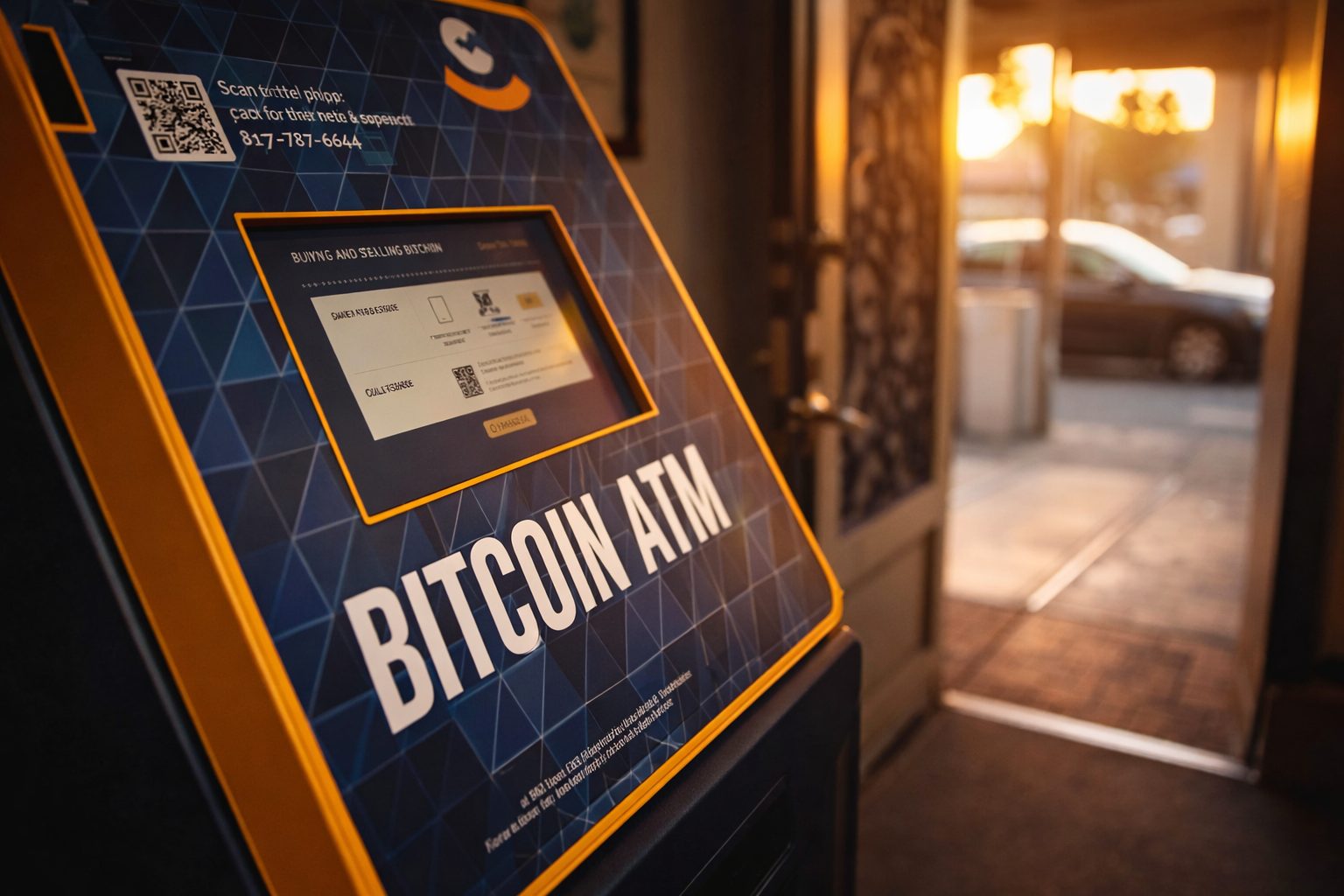
The Kennewick City Council is set to weigh a measure Tuesday that would kick all virtual currency kiosks out of town within 60 days, following police reports tying the machines to $923,771 in losses over 37 cases. These kiosks—Bitcoin ATMs—let users trade crypto for cash or debit. There are 16 locations dotted across Kennewick, mostly tucked into grocery and convenience stores. Already this year, police counted four cases totaling $132,840. A final vote or further discussions are penciled in for March 17.
The trend is catching on, mainly because once cash makes its way into crypto, getting it back becomes almost impossible. According to Singapore police, scams involving cryptocurrency transfers racked up around $182.2 million in losses in 2025. Over in the U.S., the Federal Trade Commission reported that Bitcoin ATM scam losses soared nearly 10x between 2020 and 2023, hitting $65 million just in the first half of 2024. Older adults, in particular, took the brunt of those losses.
Senate Bill 5280, which the Department of Financial Institutions is pushing as a move to shore up kiosk consumer protections, is still stuck in play—Tuesday morning found it awaiting action in the House Consumer Protection and Business Committee. Spokane didn’t wait: the city banned virtual currency kiosks back in June, with the council arguing scammers favored the machines.
In Minnesota, legislators are weighing a tougher move: House File 3642 aims to ban virtual currency kiosks across the state. As of March 5, the bill, which still sits in the House Commerce Finance and Policy Committee, had support from both parties. Police testimony, reported by CBS Minnesota, highlighted cases like an elderly woman forced to hand over $80,000, calling the kiosks a key method for scammers preying on older Minnesotans.
KSTP flagged mounting pressure on local officials. In Faribault, Police Chief John Sherwin pegged losses from crypto ATM scams at over half a million dollars since 2022. The report counted roughly 350 licensed kiosks statewide, operated by eight to 10 different companies. Industry voices were quick to respond; Larry Lipka of CoinFlip argued, “it’s the scammers.” KSTP.com 5 Eyewitness News
AsiaOne details a pattern seen in recent Singapore scam cases: victims get drawn in by flashy crypto ads on social media—sometimes pitched as “investments,” sometimes as “jobs.” The targets are instructed to set up new crypto accounts, purchase digital coins, and then move their coins into specific wallets, or just surrender their recovery phrases and login details, giving scammers the keys to clear out the funds. AsiaOne
Supporters of stricter oversight point out the net is spreading. According to AARP, 14 states put crypto kiosk consumer-protection measures into law in 2025, raising the count to 17. “Good protections against fraud”—that’s the aim, AARP government affairs director Françoise Cleveland said, whether the transaction involves a crypto kiosk, gold, or another payment method. AARP
The policy front remains choppy. Last month, TVW noted that Washington’s push for stricter crypto-kiosk regulation hit a snag when a House committee skipped a planned vote. That leaves local councils charting their own course, with statewide rules still up in the air.