
BEIJING, April 15, 2026, 01:11 (CST)
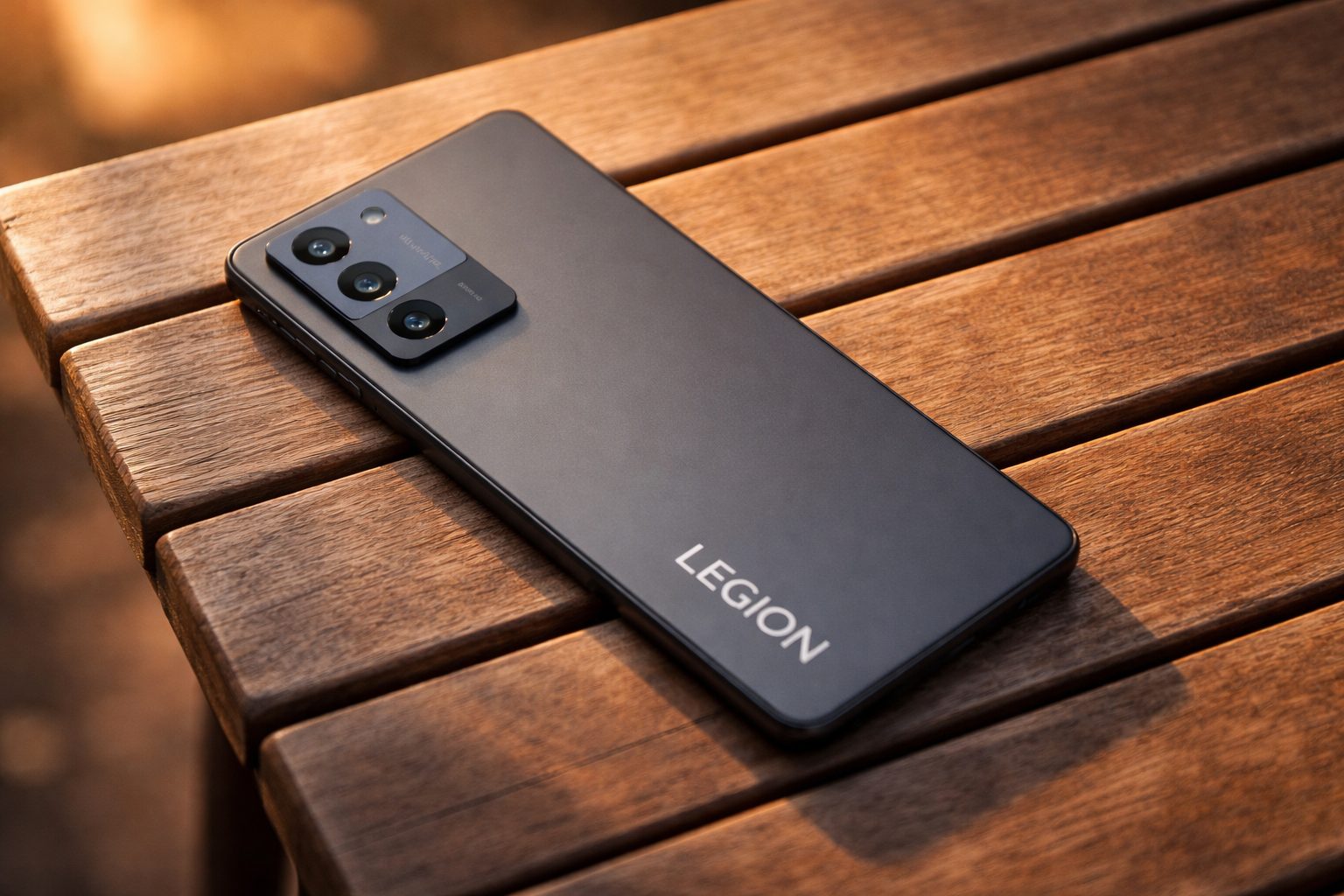
Lenovo announced on Weibo it’s gearing up to release a new Legion Y70 gaming phone in China this May, marking the return of its Legion series after the Y70 model debuted in 2022. On April 14, separate leaks surfaced—a hands-on image of the handset appeared online before Lenovo’s official launch.
Lenovo is sliding back into the shrinking gaming phone segment—a space carved out for devices that tout high performance, big cooling systems, fast refresh rates and extra controls. Among the holdouts: RedMagic’s 11 Pro, priced from $699 and equipped with liquid cooling plus shoulder triggers, is still sold worldwide; Asus keeps pitching its ROG Phone 9, while Xiaomi is targeting April 21 for the China debut of its gamer-centric Redmi K90 Max.
The market backdrop isn’t helping either. According to Omdia, smartphone shipments in mainland China slipped 1% in the first quarter, squeezed by pricier memory chips that drove up handset prices. That means less margin for mistakes on high-end, specialty launches.
Lenovo is calling it the “Legion Phone Y70 New Generation,” pitching the device as tailored for the “AI gaming era” — with AI here meaning software that automates or optimizes performance. According to Lenovo, this phone rounds out its broader Legion portfolio, which already includes gaming laptops, tablets, and accessories. Details like specs, pricing, and a concrete launch date for May weren’t provided. Android Authority
9to5Google spotlighted a leaked image featuring a black phone sporting a square-shaped rear camera bump and Legion branding running vertically. According to 9to5Google, the design leans heavily on Motorola’s aesthetic, resulting in a phone that feels more traditional than most gaming handsets.
This marks a sharp turn. Back in August 2022, Lenovo rolled out its last Legion Y70, powered by Qualcomm’s Snapdragon 8+ Gen 1. Then, by March 2023, the company confirmed to Android Authority it was dropping Android-based Legion gaming phones—part of a bigger shakeup and a move to streamline its gaming lineup.
Lenovo is taking its AI message straight to the heart of a wider tech trend. “AI agent capabilities will be a major focus,” Lucas Zhong, senior analyst at Omdia, said in an April 14 market release. Zhong noted that vendors rolling out real-world AI features are likely to have an edge. Omdia
The risk is hard to miss. “Clear and negative impact on consumer purchasing sentiment”—that’s how Hayden Hou, principal analyst at Omdia, put it, pointing to recent retail price hikes. Omdia also noted the top six vendors claimed 94% of China’s smartphone market in the first quarter. That leaves Lenovo with little room to maneuver if its new Legion phone debuts at a premium price or remains limited to China. Omdia
Lenovo hasn’t confirmed if the new Legion phone is headed for markets beyond China. Details on the chip, launch timing, and price remain under wraps. For now, this feels like a cautious trial run in a niche segment rather than a true comeback.