
London, May 18, 2026, 10:03 BST
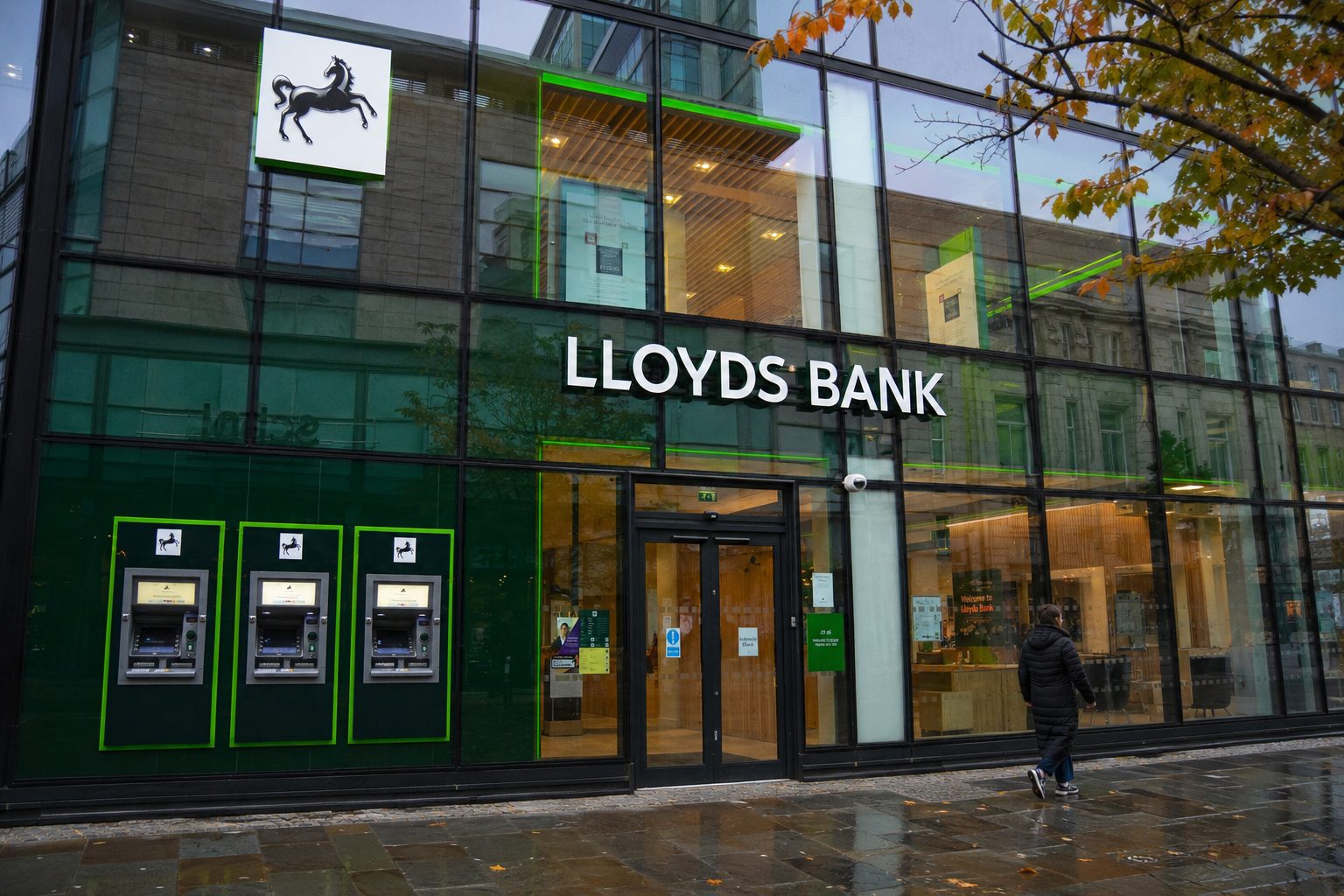
Lloyds Banking Group ticked up Monday, bouncing back slightly after a fall the previous session. Investors looked at possible changes to UK bank ring-fencing rules, even as oil prices and government bond yields climbed again. Shares traded at 94.22 pence, up 0.15%. The FTSE 100 also gained, up around 0.2% at 10,213.72.
The issue is back in focus as the government is set to lay out more detail this week, maybe as soon as Monday, on ring-fencing rules. These post-crisis rules separate high-street deposits and loans from riskier investment bank business. Sky News, in a Reuters story Saturday, said banks might soon be able to share more services between ring-fenced and non-ring-fenced arms, which could lower costs.
Lloyds, focused on retail and commercial banking in the UK, has most of its business tied up in current accounts, mortgages, credit cards, unsecured loans, motor finance and SME lending. That puts it more at risk from rules that change retail balance sheets or back-office costs, compared with banks with bigger global trading operations.
Banks with over £35 billion in retail deposits, including Lloyds, NatWest, HSBC, Barclays and Santander UK, are subject to the new rules, Reuters said last week. NatWest and Barclays are the main listed peers tracked by London bank investors.
Lloyds is buying back its own stock. According to an RNS, the bank picked up 30 million ordinary shares on May 15, using Goldman Sachs International, at a volume-weighted average price of 94.0888p. The shares will be cancelled.
Wider markets are anything but steady. Asian stocks dropped Monday after attacks in the Gulf pushed up oil prices and bond yields, Reuters reported. Brent crude rose 1.9% to $111.34 a barrel, and bond markets globally came under strain. Rising gilt yields help bank lending margins, but also squeeze mortgage demand and bump up credit risk.
FTSE 100 dampened by oil and political turmoil, analysts say
Chris Beauchamp, chief market analyst at IG, told the Guardian’s markets blog that “political turmoil and renewed gains for oil” had turned into “kryptonite” for any FTSE 100 rally. Mohit Kumar at Jefferies pointed to “inflation and deficit concerns” dragging on bond markets, saying UK politics was making those issues more pressing. The Guardian
Lloyds shares got some backing from the latest numbers. The bank posted a 33% jump in first-quarter pretax profit to £2 billion on April 29, beating expectations. CFO William Chalmers said to reporters Lloyds was working off the idea of “a gradual de-escalation of hostilities over the course of the year” for its Middle East risk provision. Reuters
Lloyds said then it made no new provision for UK motor finance redress tied to alleged mis-selling, but the issue is still weighing on the investment case. The bank’s presentation said the existing provision is scenario-based. Uncertainty around response rates, operational costs, and potential legal challenges continues.
UK banks may need more than good news to get another near-term re-rating, JPMorgan said in a note cited by Investing.com last week. The brokerage estimated that if the UK bank surcharge goes up two points, Lloyds’ 2027 EPS would fall 2.7%, which is a deeper hit than NatWest or Barclays. Banks will need politics, the economy and sector fundamentals all leaning their way, JPMorgan added.
At this point, the story isn’t about Lloyds pushing out a straightforward profit bump, but about which news breaks before the other. If Lloyds gets a clearer signal on lighter regulatory costs, the shares could hold that mid-90p zone. But another jump in oil or gilts would put the focus right back on mortgages, arrears and returns to shareholders.