
London, June 15, 2026, 10:03 BST
- Lloyds shares were quoted up 1.07% at 103.45p/103.50p, ahead of a 0.33% gain for the FTSE 100.
- The latest buyback activity supports earnings-per-share returns, while planned branch closures underline Lloyds’ push to lower costs.
- The next key tests are the Bank of England’s June 18 rate decision and Lloyds’ July 30 half-year results and strategy update.
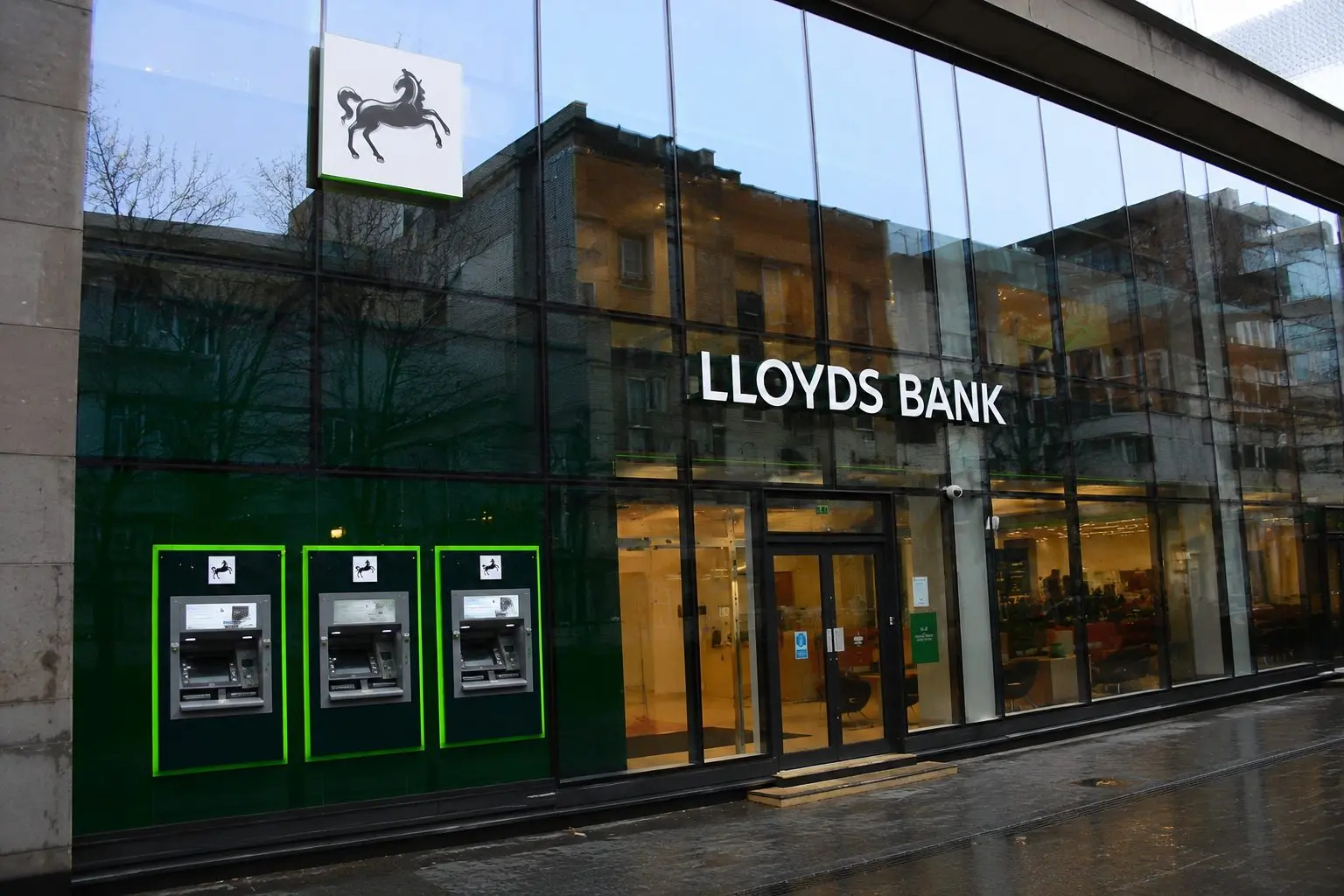
Lloyds Banking Group shares moved higher on Monday, with Hargreaves Lansdown showing the stock at 103.45p to sell and 103.50p to buy, up 1.10p, or 1.07%. The move outpaced the FTSE 100, which was shown 0.33% higher. For investors, the price action matters because Lloyds is one of the cleanest listed plays on the UK consumer, mortgage market and interest-rate cycle, so even modest changes in rate expectations or housing data can quickly affect sentiment toward the stock.
The immediate company-specific support is capital return. Lloyds disclosed in a June 12 filing that it bought back 4,132,460 ordinary shares through Goldman Sachs International at a volume-weighted average price of 101.4903p, with the shares intended for cancellation. Buybacks reduce the number of shares outstanding, which can lift earnings per share if profits hold steady.
The other fresh development is operational rather than purely financial. Lloyds is preparing to close more branches across its Lloyds and Halifax network, with MoneyWeek reporting an additional 79 closures in 2026 and 2027, taking the scheduled total to 245. That fits the bank’s digital-banking strategy and can help the cost base over time, but it also carries reputational and political risk as regulators and consumer groups keep pressure on banks to preserve access to cash and in-person services.
The bull case is still anchored in profitability. In its first-quarter update, Lloyds reported statutory profit before tax of £2.0 billion, return on tangible equity of 17.0%, and underlying net interest income of £3.6 billion, up 8% year on year. Net interest income is the difference between what a bank earns on loans and securities and what it pays on deposits and funding. Chief Executive Charlie Nunn said, “We are confident in our delivery for the year ahead and reiterate our guidance for 2026.” EQS News
That guidance is central to the share-price debate. Lloyds expects 2026 underlying net interest income above £14.9 billion, a cost-to-income ratio below 50%, and return on tangible equity above 16%. Return on tangible equity measures profit against shareholder capital after excluding intangible assets, while the cost-to-income ratio shows how much of each pound of income is consumed by operating costs. The lower that cost ratio is, the more operating leverage investors usually see.
The bear case is that Lloyds is heavily exposed to the UK cycle. Reuters reported after the first-quarter results that the bank took a £151 million charge linked to risks from the Iran conflict and warned that the conflict could hurt UK and global growth and push unemployment higher. The motor-finance issue also remains an overhang for the sector, even though Lloyds made no new provision in the first quarter.
Rates are the next macro catalyst. The Bank of England says Bank Rate is currently 3.75%, with the next decision due on June 18. For Lloyds, a higher-for-longer rate backdrop can support lending margins, but it can also pressure mortgage demand, borrower affordability and credit quality. The company-specific catalyst comes soon after: Lloyds has scheduled half-year results and a strategy update for July 30, when investors will look for evidence that income growth, costs, asset quality and capital returns are still tracking ahead of the bank’s targets.
At about 103p, Lloyds looks fairly valued to mildly attractive rather than obviously cheap. Hargreaves Lansdown lists a market value of about £60.24 billion, a price-to-earnings ratio of 14.62 and a dividend yield of 3.53%, while Investors Chronicle data show a 15-analyst median 12-month target of 123p, with estimates ranging from 91p to 130p. That spread captures the stock’s current balance: solid capital returns and strong profitability on one side, but UK housing, rate, credit and conduct risks on the other.