
LOS ANGELES, March 27, 2026, 06:56 PDT
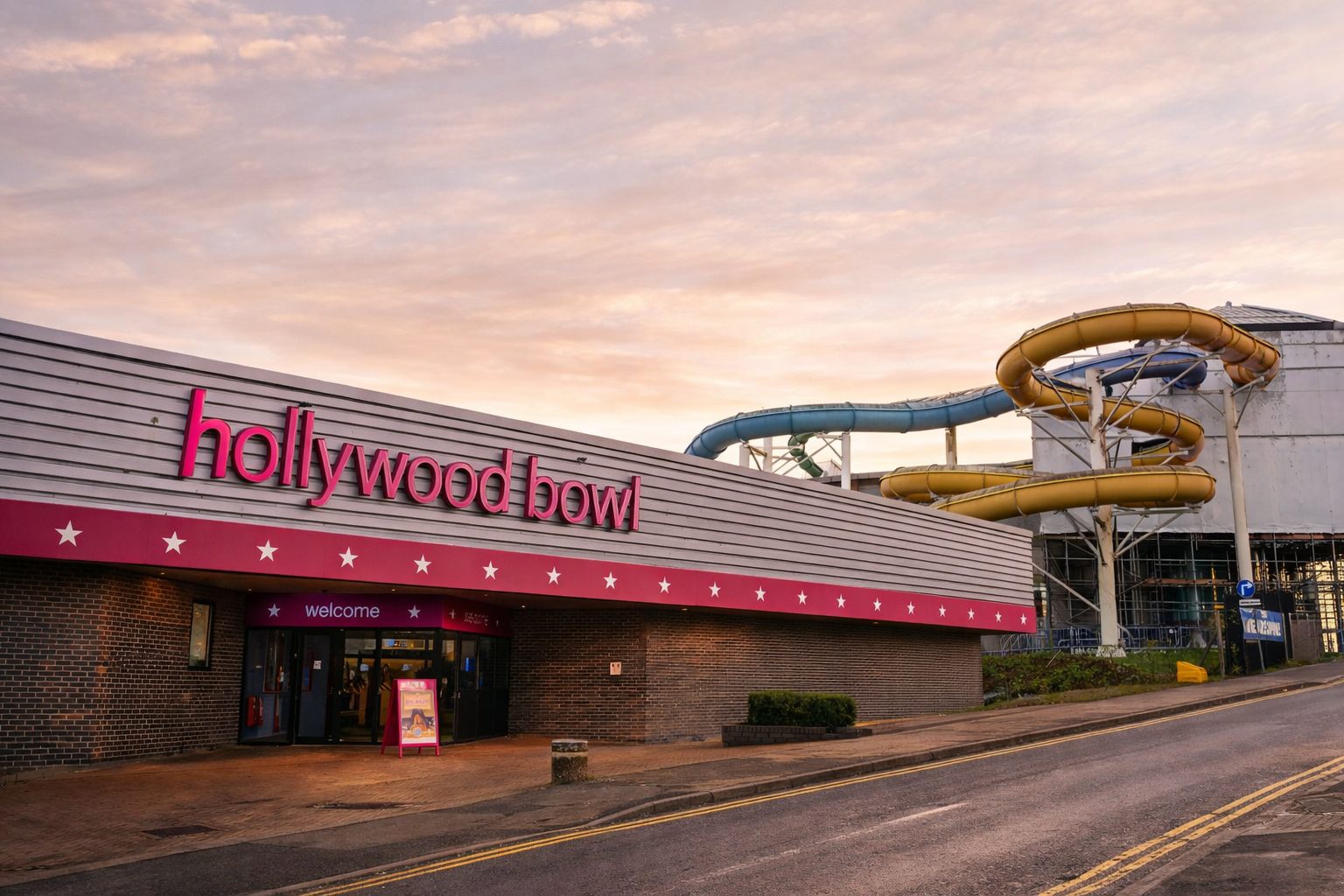
On Thursday, Los Angeles Metro directors gave the green light to the San Vicente-Fairfax route for the K Line Northern Extension. The plan calls for a mostly underground light-rail line, running about 9.7 miles from the E Line at Expo/Crenshaw, cutting through Mid-City and West Hollywood, and reaching all the way to the Hollywood Bowl.
This vote clears the way for West Hollywood and Los Angeles County to push forward with an Enhanced Infrastructure Financing District—a funding mechanism that taps into future property-tax gains along the route to help bankroll the project. Metro has made local funding a key requirement, demanding it cover no less than a quarter of the capital costs. “Every time a property is redeveloped or sold, it adds to that increment,” Eli Lipmen, who leads Move LA, told LAist. LAist
Metro’s proposed line targets a persistent north-south gap in L.A. County’s rail network, connecting the K Line with the B, D and E lines, as well as six major bus corridors. Nine new stations would come with the plan, ending at a Hollywood Bowl terminus and reaching spots like Cedars-Sinai, the Pacific Design Center, and the Grove.
Staff threw their support behind the longer San Vicente-Fairfax route, saying it would serve a bigger swath—more riders, more jobs, more residents—than either the Fairfax or La Brea options. Supporters argue that, once fully completed, the project could nudge daily K Line ridership up to 100,000. UCLA transportation researcher Jacob Wasserman called it a move that would “change people’s geography of L.A.” LAist
After a round of late negotiations with Mayor Karen Bass, Supervisor Lindsey Horvath, and West Hollywood Mayor John Heilman, the board moved to approve an amendment. It calls for further study of tunneling beneath Mid-City but limits that study to 12 months after the financing-district legislation wraps up. The amendment cleared the board 11-0, with two directors stepping aside from the vote due to property interests in the area.
The funding gap remains stubborn. The latest estimates peg the project cost near $15 billion, yet Measure M—the county sales tax voters backed in 2016—commits only $2.24 billion, and that money doesn’t unlock for construction before 2041. Metro’s own timeline? They’re looking at service starting somewhere between 2047 and 2049. Thursday’s vote, for now, stopped short of a final sign-off.
So the disputes aren’t over yet. People living in Lafayette Square and Mid-City are raising concerns about tunneling and the subsurface easements Metro needs—basically, rights under their homes for construction. There’s also anxiety about whether new stations will trigger faster redevelopment. Metro counters that its updated analysis shows the tunnels are deep enough to keep things undisturbed up top, and senior director Georgia Sheridan has called current tunnel methods “very safe and successful.” LAist
The vote lands during a busy stretch for Metro. January saw the agency greenlight the K Line’s southward push to Torrance and pick an underground route for the Sepulveda Transit Corridor. Now, Metro expects the first D Line extension—Wilshire/Fairfax included—to open its doors May 8. In Los Angeles, the weekend forecast looks hot, with Friday near 80F and Sunday pegged at 87F.