
REDMOND, Wash., Jan 21, 2026, 09:17 PST
- Microsoft teamed up with Bristol Myers Squibb to roll out FDA-cleared AI tools aimed at catching lung cancer earlier through radiology.
- The tools will operate via Microsoft’s Precision Imaging Network, which is already in use at many U.S. hospitals.
- The partners highlight rural hospitals and community clinics as key targets, pointing out that follow-up care frequently falls through the cracks in these settings.
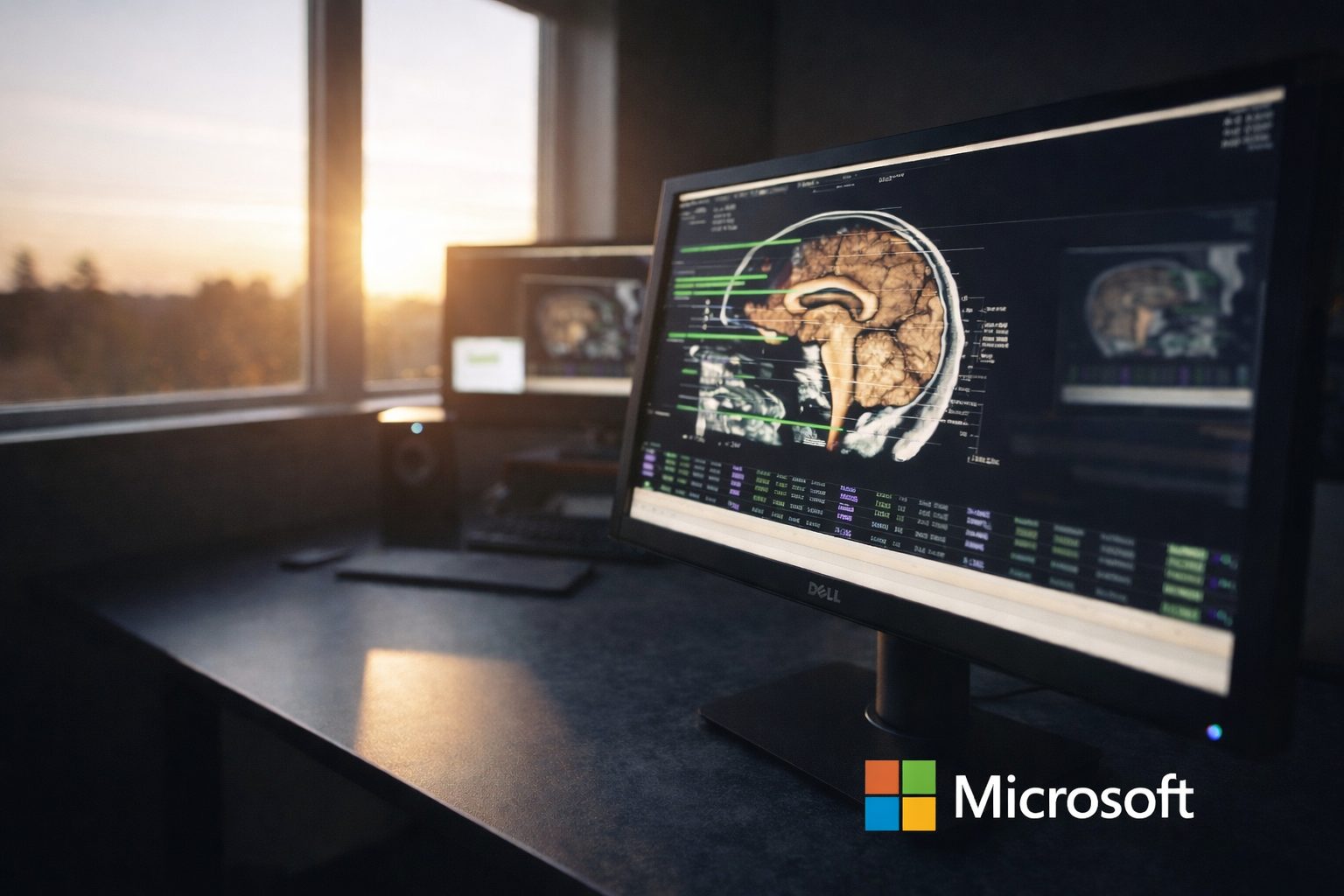
Microsoft is partnering with Bristol Myers Squibb to integrate FDA-approved radiology AI tools into hospital scan workflows to detect lung cancer at earlier stages, the companies announced Tuesday. This move comes amid a surge in AI investments by pharmaceutical firms in oncology, highlighted by AstraZeneca’s recent deal to acquire Modella AI for cancer drug research.
The timing couldn’t be more crucial. Lung cancer still tops the list for cancer deaths in the U.S., and catching it early drastically improves survival odds. Low-dose CT scans detect it sooner, yet screening rates have stayed stubbornly low for years.
For Microsoft, the appeal lies in distribution. More than 80% of U.S. hospitals rely on its Precision Imaging Network to share medical images and tap into third-party imaging AI, according to the partners. The deal means FDA-cleared algorithms will automatically scan X-rays and CTs to spot lung nodules and potential non-small cell lung cancer (NSCLC), the most common type.
Bristol Myers aims to extend this workflow to medically underserved areas, including rural hospitals and community clinics, to prevent patients from dropping out after suspicious findings. The company noted that over half of patients with incidental findings are lost to follow-up. Alexandra Goncalves, a vice president at Bristol Myers, described it as “a unique AI-enabled workflow.” Her colleague Andrew Whitehead added, “health equity is not a standalone initiative—it is embedded in everything we do.” Bristol Myers Squibb News
Peter Durlach, Microsoft Health and Life Sciences executive, noted the platform’s ability to spot patients “showing early signs of cancer” — often before symptoms appear — and accelerate their entry into appropriate care pathways. Fierce Biotech
The focus isn’t on unveiling a new algorithm but on integrating one into the daily workflow of radiology, where piles of scans make it easy to overlook tiny nodules. Networks operating “behind the scenes” in hospitals have become crucial—they enable vendors to embed software right where clinicians already do their work.
Radiology AI comes with a familiar downside: false alarms, missed diagnoses, and inconsistent results when scanners, image quality, or patient demographics shift. Even with regulatory clearance, adoption often stalls if doctors distrust the alerts or if there’s no clear responsibility for following up on flagged patients.
At this stage, the partners offer a workflow aimed at spotting diseases earlier, monitoring them more closely, and getting patients treated before it’s too late. But whether this actually changes daily practice hinges on how hospitals integrate these tools into real clinical settings—not on press announcements.