
NEW YORK, March 5, 2026, 09:31 EST
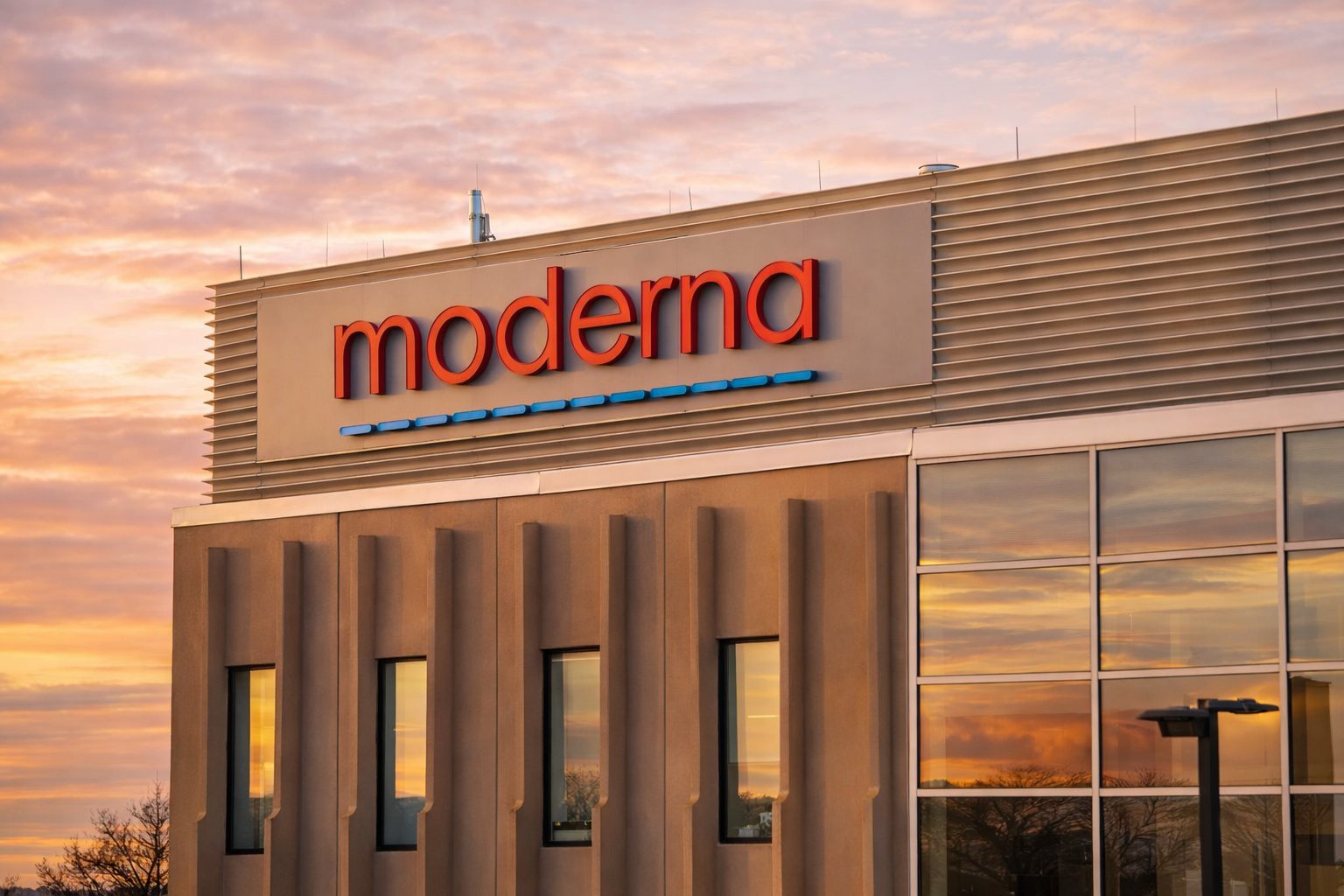
Moderna has agreed to settle its patent dispute with Arbutus Biopharma and Genevant Sciences, putting an end to litigation over mRNA vaccine technology. The company will pay $950 million during the third quarter of 2026—no ongoing royalties attached.
With a Delaware jury trial looming, Moderna has struck a deal that removes a major legal overhang as it works to stabilize its balance sheet amid declining COVID vaccine sales. Evercore ISI analysts described the timing as “down to the wire,” noting the settlement wipes out what they called a “meaningful tail risk.” Fierce Pharma
The dispute revolved around lipid nanoparticles, or LNPs—those fatty casings that shuttle delicate mRNA into cells—and was tied up in the wider tangle of COVID vaccine patent battles. Jefferies analyst Andrew Tsai said the settlement “removes the worst-case scenario” of facing potentially double-digit royalty rates. Investing
Shares of Moderna jumped on March 4, with investors zeroing in on the capped settlement and the clearing of a key patent lawsuit. The stock surged after the news broke, shedding a major overhang.
Moderna has agreed to a court judgment finding it infringed—and failed to invalidate—four patents in the suit brought by Genevant and Arbutus, and will get a non-exclusive license for the LNP technology. “We are pleased with this settlement,” said Genevant CEO James Heyes. Arbutus CEO Lindsay Androski added, “Today, Moderna has finally acknowledged the same.” GlobeNewswire
The bill isn’t settled yet. According to a Roivant filing, Moderna might still be on the hook for another $1.3 billion, contingent on how an appeal shakes out regarding Section 1498—the U.S. statute that lets companies try to pass patent liability on to the government for products it buys. Payment details would depend on what the court decides.
Beyond COVID, doubts persist over how fast Moderna can turn its latest respiratory offerings into reliable revenue streams. The American College of Physicians left Moderna’s RSV vaccine, mResvia, off its list of recommended shots, citing limited data. “The shot is relatively new and there was not enough evidence to weigh benefits and risks,” ACP president Jason Goldman said. CIDRAP
Moderna projects it will wrap up 2026 holding $4.5 billion to $5.0 billion in cash, and the focus now shifts to late-stage oncology results that could shape the next phase of the company’s trajectory. William Blair’s Myles Minter described Moderna as “well-funded through multiple late-stage oncology readouts expected this year.” BioPharma Dive
For Moderna, reaching the settlement closes a major chapter in the mRNA manufacturing fight. Now, attention shifts to what’s ahead: upcoming respiratory vaccines, pending trial results, and a market environment that isn’t offering pandemic-era pricing anymore.