
SYDNEY, June 29, 2026, 00:01 (AEST)
- NAB ended Friday at A$37.51, gaining 0.16%. The stock is down 4.7% from its June 30, 2025 close.
- The stock has to gain 4.9% in the last two days of FY2026 to finish the financial year in the green.
- NAB’s June 27 mortgage-fraud statement brings up a new control risk ahead of its July 2 dividend payout.
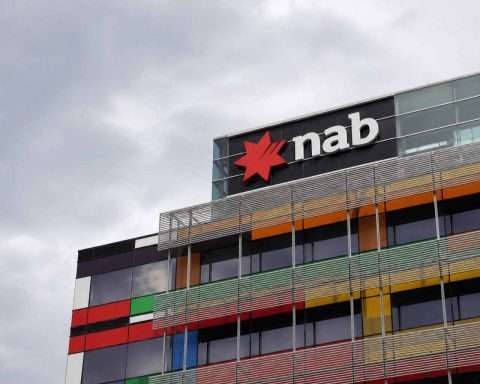
National Australia Bank Limited ASX:NAB will finish Australia’s financial year with shares under last year’s level. NAB closed at A$37.51 on Friday, down from A$39.36 at June 30 last year. This comes ahead of the A$0.85 interim dividend set for this week.
ASX cash equities were yet to open for the week at the time of reporting. Standard cash market hours are 09:59:45 to 16:00 Sydney time, followed by a closing auction.
NAB is looking at a 4.9% rise by Tuesday’s close if it wants to reach last year’s finish. The best it managed in a day this month was 2.63% on June 15, Investing.com price data shows.
Friday’s trading gave NAB just a minor lift after Thursday’s drop. The stock picked up A$0.06, but that was a small claw-back compared to the A$1.30 it lost the previous day—not even 5% recovered. For the week, NAB ended off 0.6%, not far from the S&P/ASX 200’s 0.73% loss over the same period.
Judo Capital Holdings ASX:JDO dropped 40.3% on Thursday after raising its bad-debt provisions, wiping about A$660 million in market value, according to ABC. Retail banks traded lower as well, with NAB down 3.4%. J.P. Morgan analyst Andrew Triggs said Judo’s borrower-specific reasoning offered “only limited comfort.” ABC News
NAB followed up with a June 27 statement about mortgage fraud. The bank said fraud threats were getting more advanced. NAB said it had referred some parties to authorities, and cut ties or suspended others. It pushed for a National Economic Crime Strategy.
Banks are trading on credit costs again, not just margin. The Reserve Bank of Australia’s cash-rate target sits at 4.35% after three hikes earlier in 2026 and a hold in June. ABS data showed May CPI at 4.0%, with trimmed-mean inflation rising to 3.6%.
NAB’s most recent earnings gave bulls a bit of room. Cash earnings came in at A$3.56 billion for the half-year ending March 31, not including changes to software capitalisation. Revenue ticked up 3.1%. Costs edged down, and net interest margin improved. CEO Andrew Irvine pointed out challenges for businesses, citing “higher fuel costs, supply disruptions, inflation and elevated interest rates.” NAB News
NAB’s A$0.85 interim dividend is the near-term offset. That comes out to around 2.3% of Friday’s share price. NAB said the payout is set to return A$2.6 billion to about 500,000 shareholders, plus millions more Australians in superannuation.
The stock stays 24.1% off its 52-week high at A$49.45, while it’s just 5.7% up from its 52-week low of A$35.48. The July 2 dividend is set against a softer price floor than at the start of FY2026.