
WINDHOEK, Feb 12, 2026, 15:37 CAT
- Namibia reports requiring an additional N$1.5 billion ($94 million) to safeguard its livestock sector against foot-and-mouth disease
- Officials point to outbreaks in South Africa and Botswana, warning that export bans could follow if the virus spreads across the border
- Namibia received its first satellite data receiving station, backed by China, to support agriculture and various other industries
Agriculture minister Inge Zaamwani says Namibia requires roughly N$1.5 billion ($94 million) more to shield its livestock industry from foot-and-mouth disease, with outbreaks in nearby countries edging toward its southern frontier.
The government insists maintaining Namibia’s “FMD-free” status is vital for beef exports, following Cabinet’s approval of N$57.5 million for prevention and preparedness. However, officials warn that additional funds will be necessary. The Hans India
Foot-and-mouth disease (FMD) is a highly contagious virus affecting cloven-hoofed animals like cattle and sheep, often sparking swift trade restrictions. Zaamwani informed lawmakers that a new case in South Africa’s Northern Cape lies about 400 km from Namibia’s border. Meanwhile, Botswana has reported an outbreak in a zone once considered free of FMD.
The planned measures involve setting up border disinfection and incineration points, ramping up inspections on animal movements, and dividing FMD-free zones into smaller “compartments” to contain any outbreaks. Zaamwani also revealed plans for a national vaccine storage facility and improvements to meat-processing plants aimed at maintaining some level of trade.
Namibia’s biggest threat isn’t only animal health but also market access. Albertus !Aochamub, acting CEO of Meat Corporation of Namibia, warned that an outbreak would shut down red meat exports. Siegfried Schneifer, chair of Savanna Beef Processors, added that trade in livestock and related products would stop instantly.
The downside is straightforward: despite increased funding, the virus might still spread through informal animal and product movements, with trading partners often outpacing government responses. Plus, the bigger budget has to vie with other priorities, and it’s uncertain how fast it can be rolled out at every high-risk checkpoint.
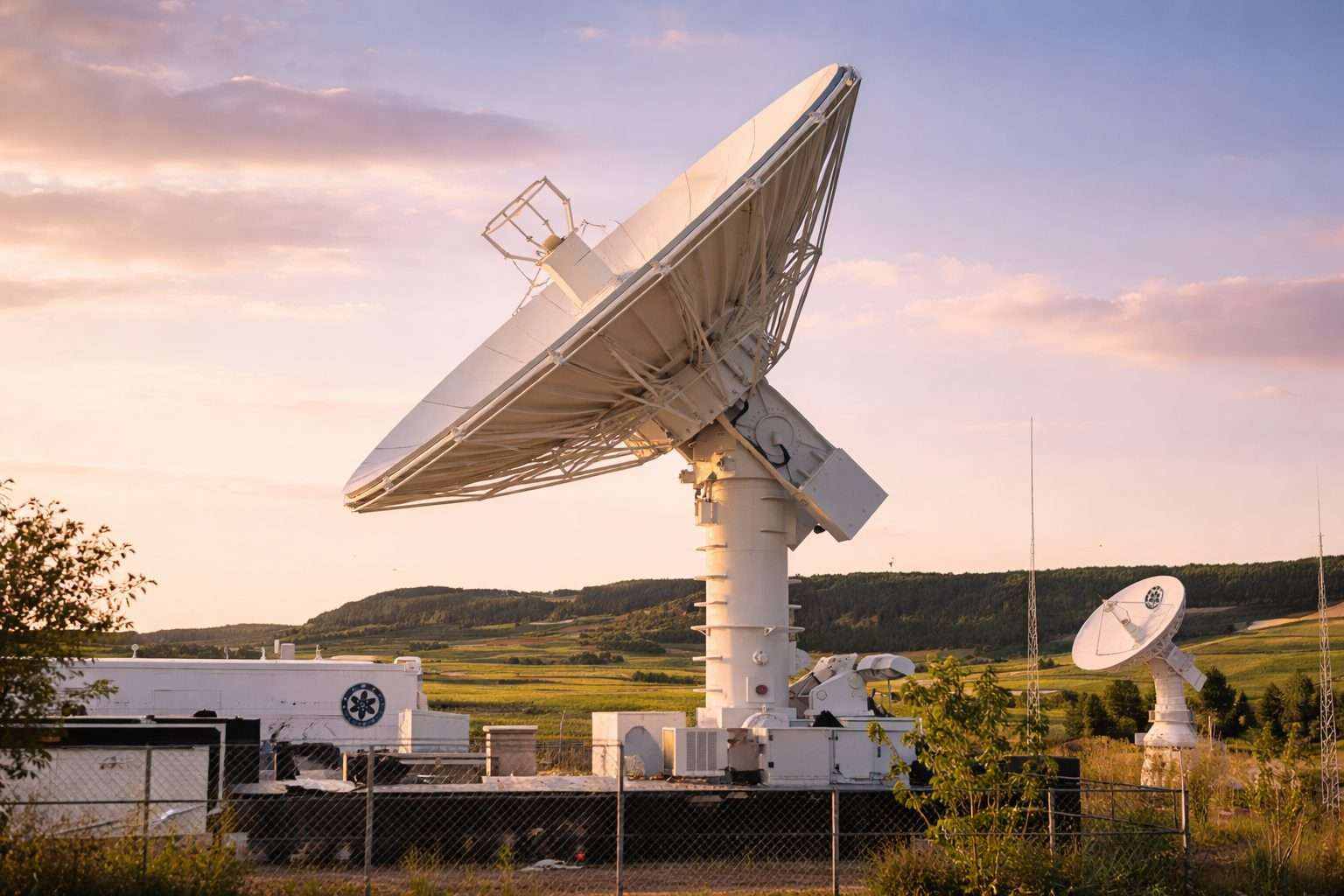
On Thursday, Namibia took delivery of its first Satellite Ground Data Receiving Station — a facility designed to capture and process satellite imagery and data as satellites fly overhead. This handover is part of ongoing collaboration with China, Space in Africa reported.
At the ceremony, officials confirmed the station is already picking up data from the CBERS-4 satellite during its passes over Namibia. The report also notes that 14 Namibian staff members have been trained to run and maintain the facility.
The report also noted that Phase II efforts target software tools for applications like agriculture, livestock management, disaster risk management, fisheries monitoring, and border surveillance. Additionally, Namibia is working on a Space Science and Technology Bill to regulate space operations.
The Namibian Stock Exchange was open when this was reported, with its equity trading set to end at 17:00 CAT, per the exchange’s calendar.
This week, Namibia made two key moves: shielding its primary animal export sector from a rapidly spreading livestock virus and expanding data infrastructure designed to improve planning across farms and borders.