NEW YORK, Feb 26, 2026, 13:40 (EST) — Regular session
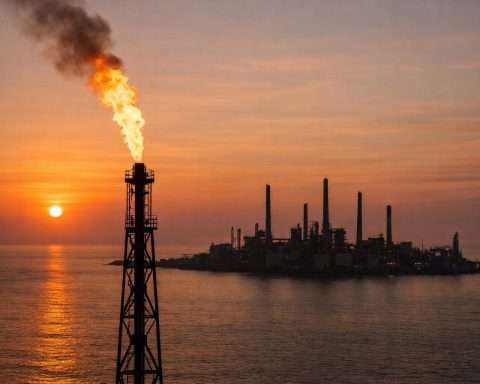
- U.S. natural gas futures slipped nearly 2%, settling near $2.81 per mmBtu as the late-winter downturn continued.
- The gas-tracking ETF UNG slid 2.4% in New York, with the April contract still feeling the weight.
- Production, LNG shipments, and what March weather shapes up to be are setting the tone as traders look ahead to next week’s storage numbers.
Natural gas prices slipped Thursday, with the April Henry Hub contract shedding roughly 5.8 cents, or 2.0%, to $2.810 per mmBtu. Traders cited ongoing mild weather patterns and reliable supply as they pushed futures lower. 1
The timing hits as the market edges into the spring shoulder season—the period when both heating and cooling needs tend to fade, dragging down consumption. Prices, as a result, get tossed around more by shifts in weather forecasts and day-to-day supply reads.
Reuters said Wednesday that average Lower 48 gas production has hovered around 108.7 billion cubic feet per day (bcfd) so far in February. The same report pointed to softer demand projected for next week. Meteorologists are calling for above-normal temperatures through March 12. U.S. LNG export plants, meanwhile, have been seeing flows near 18.7 bcfd, Reuters noted. 2
The United States Natural Gas Fund (UNG) dropped 2.4% to $11.32, slipping from its previous close of $11.60. The ETF, which mirrors Henry Hub futures, tracked the move. 3
Cheniere Energy bumped up its long-term share buyback goal to over $10 billion through 2030 after reporting a quarterly profit that more than doubled. The stock gained 1.2% premarket, trading around $223. 4
This week’s action has been choppy. On Wednesday, CME Group suspended Globex metals and natural gas futures and options because of technical problems, reopening later and scrapping day and good-till-date orders, according to CME. 5
James Hyerczyk at FXEmpire noted prices continued to slide even after the storage report, pointing to traders turning their attention to weather patterns and production now that winter is winding down. He also highlighted a possible mid‑March polar vortex as something that could shake up volatility. 6
April gas finished Wednesday at $2.868, up 3.7 cents, as the front-month advanced with March now out of the way. 7
The market’s on edge. A late-season cold snap or a fresh surge in LNG feedgas risks squeezing prompt supplies in a hurry. On the flip side, if March stays mild, inventories get a chance to recover, limiting the upside for rallies.
Working gas in storage came in at 2,018 billion cubic feet for the week ended Feb. 20, according to the Energy Information Administration, dropping 52 Bcf from the previous week. Inventories are running 141 Bcf over last year’s mark but sit 7 Bcf under the five-year average. The next readout lands March 5. 8