
London, April 22, 2026, 19:08 BST
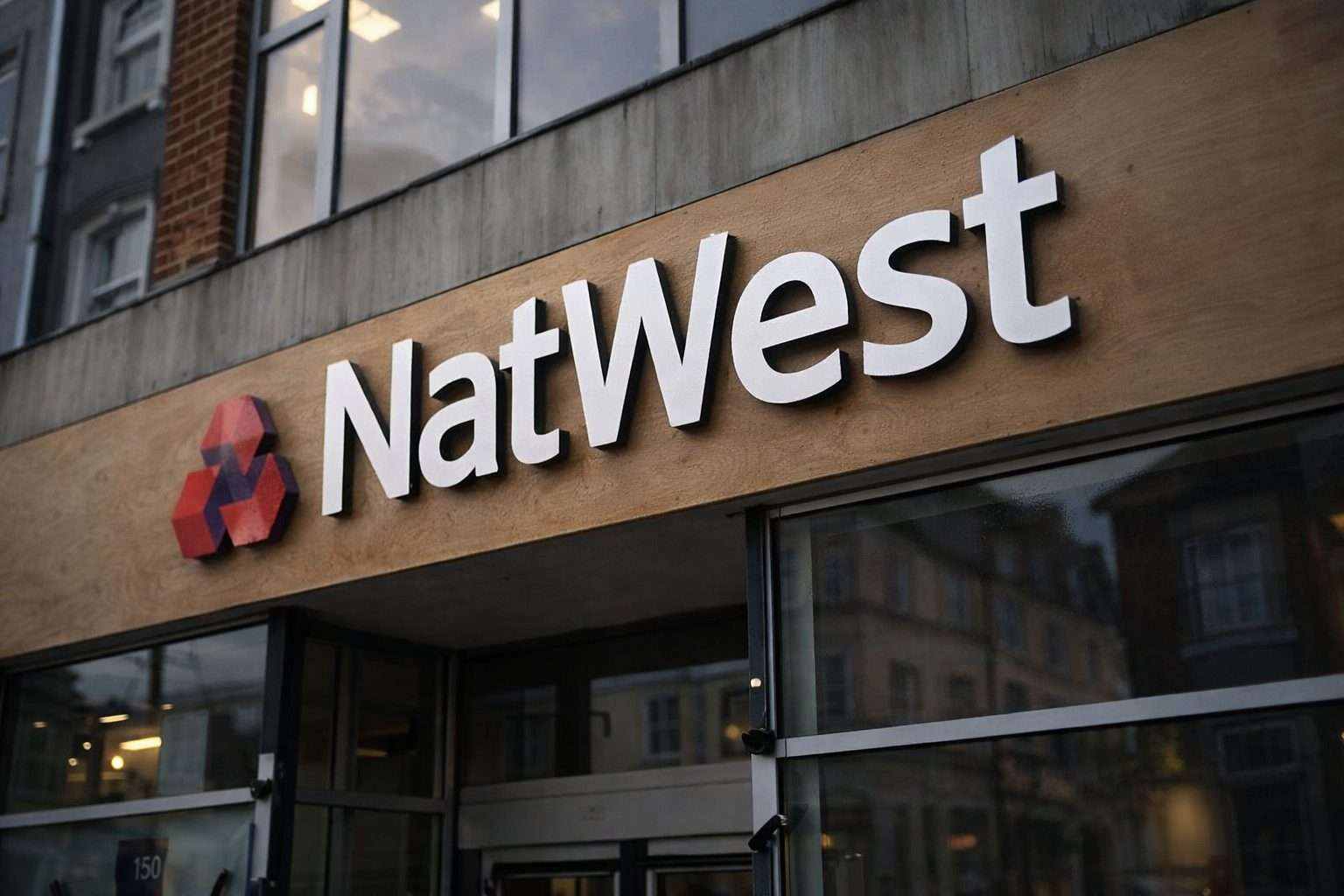
NatWest Group Plc is heading into its first-quarter results with analysts expecting operating profit before tax of £1.94 billion, almost unchanged from the previous quarter, while bad-loan charges are seen more than doubling. The bank’s investor relations team published the pre-Q1 consensus on Wednesday ahead of results due at 7 a.m. BST on May 1, and said the figures are average analyst estimates rather than management forecasts.
The timing matters because the rate backdrop that lifted UK bank earnings last year is now less clear. A Reuters poll published Tuesday showed all 62 economists expected the Bank of England to hold Bank Rate, its benchmark interest rate, at 3.75% on April 30, while about 53% saw it unchanged for the rest of the year despite higher inflation risk.
Investors were cautious. NatWest shares closed down 1.53% at 592.2 pence in London on Wednesday, while the FTSE 100 fell 0.21%, according to Hargreaves Lansdown data.
The consensus points to first-quarter total income of £4.31 billion, a touch below £4.32 billion in the fourth quarter. Net interest margin, the gap between what a bank earns on loans and what it pays on deposits and funding, is expected at 2.47%, up from 2.45%.
Credit is the rougher line. Analysts see impairment losses, or provisions for loans that may not be repaid, rising to £283 million from £136 million in the prior quarter. They also model a cost:income ratio of 46.9%, meaning expenses would take up just under half of revenue.
NatWest set a high bar in February, when it reported 2025 operating profit before tax of £7.7 billion and return on tangible equity of 19.2%, a measure of profit against shareholder capital. Chief Executive Paul Thwaite said then the bank started 2026 “from a position of strength,” but also warned that “success today does not guarantee success tomorrow.” NatWest Group
Part of that pressure is strategic. NatWest agreed in February to buy wealth manager Evelyn Partners for £2.7 billion, including debt, in a push to build scale beyond traditional lending and deepen fee-based income.
The readout will come in a tight run of UK bank updates. Barclays is due to report Q1 results on April 28, Lloyds Banking Group on April 29 and HSBC Holdings on May 5, giving investors a quick check on margins, mortgage demand and consumer credit across major lenders.
Capital remains another watch point. The consensus sees NatWest’s Common Equity Tier 1 ratio, a core measure of bank capital against risk-weighted assets, at 14.2% for Q1, up from 14.0% at the end of 2025. Analysts model no buyback in the quarter after a £750 million fourth-quarter buyback.
But the upside case is not clean. A steady Bank Rate can support lending income, yet sticky inflation could squeeze household cash flow and lift bad-loan charges. Evelyn also adds execution risk: the consensus includes estimates for the business in 2026, while NatWest’s own FY26 guidance excludes it.
For now the test is narrow. NatWest needs to show that margin gains can offset higher credit costs, and that its push into wealth does not blur the simple story investors have rewarded: a UK-focused bank with strong capital, cash returns and little room for slippage.