
London, March 24, 2026, 14:20 GMT
- Shares of NatWest slipped roughly 1% to 524.8 pence in London by 13:57 GMT, after an earlier dip to 521.2p.
- Shares in Barclays, HSBC and Lloyds dropped, with investors pulling back from banks as oil prices climbed and expectations hardened on more hawkish Bank of England rates.
- NatWest is set to report first-quarter results on May 1.
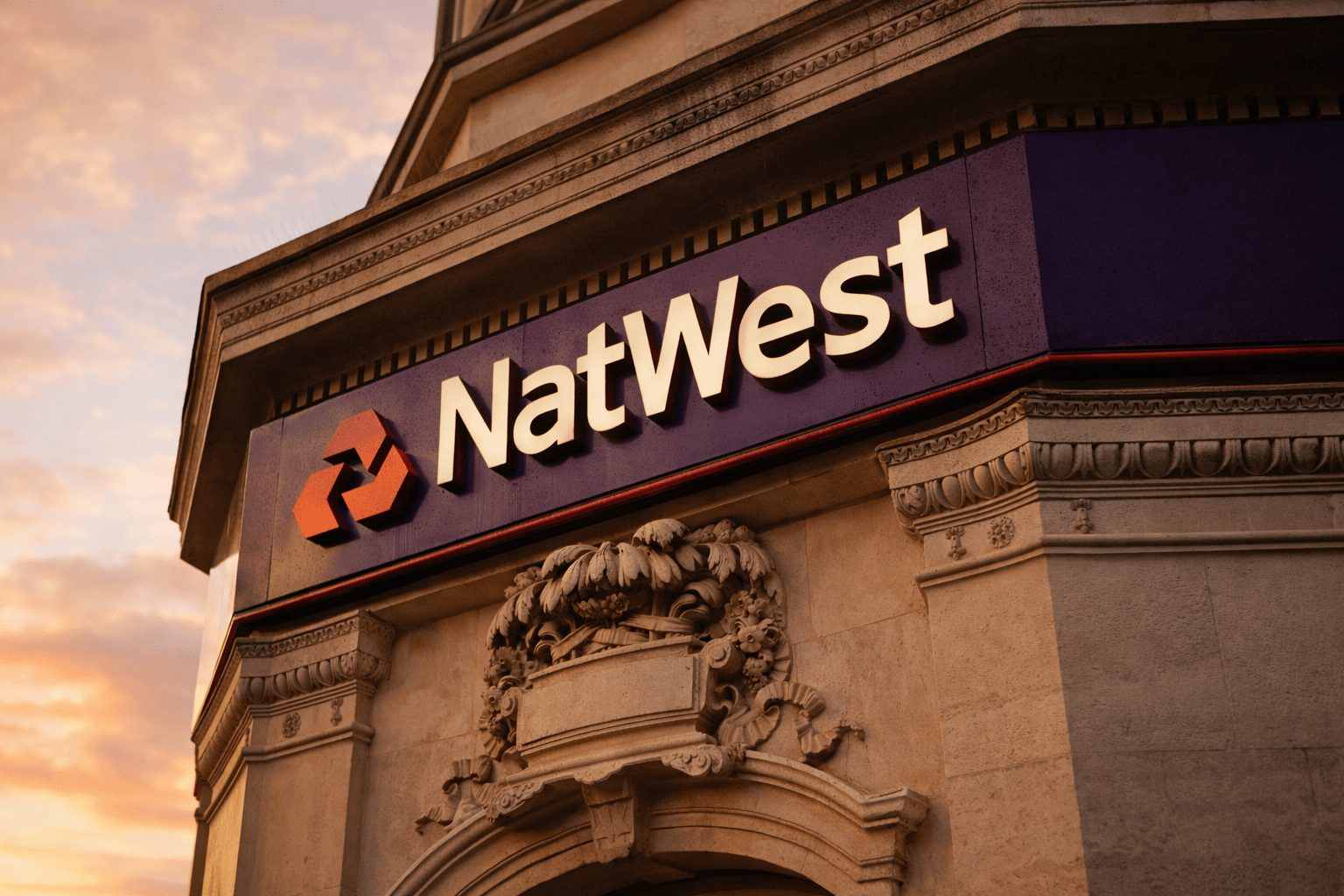
NatWest Group shares edged lower Tuesday, last seen at 524.8 pence just before 14:00 GMT—down from a 531.8p open—as sellers hung around UK bank stocks amid new concerns over inflation and growth linked to Middle East turmoil. NatWest moved between 521.2p and 532.0p.
This shift is notable: NatWest leans heavily on the UK market, and the day delivered a gloomier snapshot at home. Traders have now baked in two quarter-point Bank of England rate hikes for this year. Adding to the cautious mood, the latest purchasing managers’ index—a gauge of business activity—just posted its weakest British growth figure in half a year.
Bank of England’s chief economist Huw Pill flagged that “upside risks to price stability” are building. For Paul Dales at Capital Economics, the conflict is “boosting inflation and extinguishing GDP growth” in the UK already. Reuters
Sellers dominated. UK banks slipped 0.9%, according to Reuters, with European financials trailing by 1.4% on Tuesday. Hargreaves Lansdown figures had Barclays falling 1.1%, HSBC dropping 1.62%, and Lloyds edging 0.63% lower.
NatWest drew notable trading volume in London, counting just shy of 7 million shares changing hands as of 13:57 GMT. Despite clawing back to finish Monday at 530.2p, the stock lags its 52-week peak of 705.4p by roughly 25%, and it remains well below the 580.0p mark it touched on March 18.
The drop follows a robust full-year showing just last month. NatWest posted 2025 pretax profit of 7.7 billion pounds, bumped its 2028 return on tangible equity target above 18%—that’s the profit metric banks watch against shareholder capital—and rolled out plans for a 750 million pound buyback in the first half of 2026.
Chief Executive Paul Thwaite called it “raising our ambition” at the time. Reuters noted that certain investors had factored in some of the improved outlook already, following comparable target hikes at Barclays and Lloyds. Reuters
Even so, the path forward looks murky. Sure, higher rates tend to boost bank lending margins. But with sluggish growth, rising energy prices, and softer business sentiment, demand for loans could take a hit—and if the disruption drags on, worries about borrowers will mount. That’s the stress point for UK bank stocks right now.
NatWest faces a crucial date on May 1. The first-quarter update lands then, with investors scanning for any hint that rising oil prices, shifting rate bets, and mounting UK cost pressures are moving the needle on the bank’s outlook.