
Published: December 2, 2025
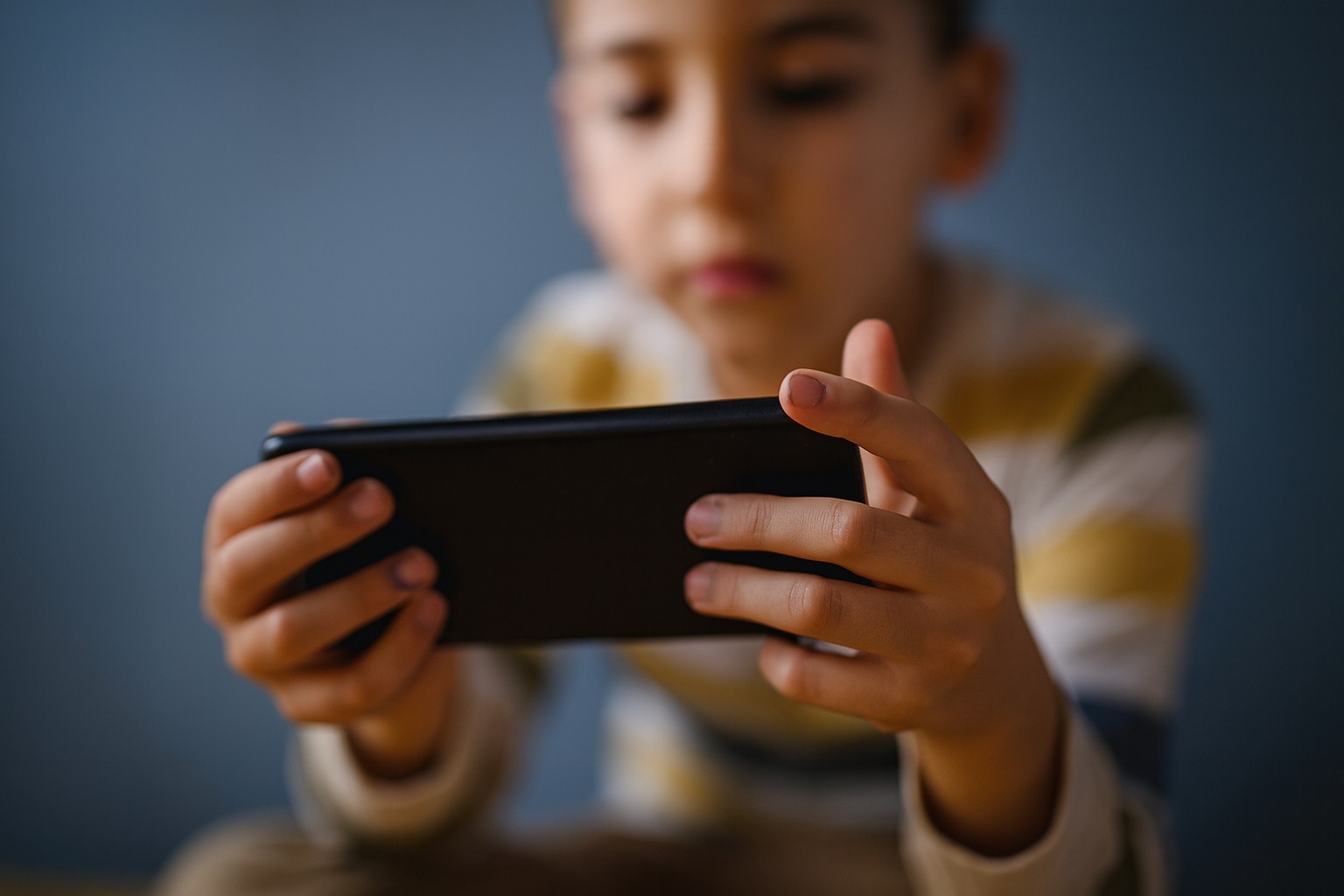
A major new Pediatrics study of more than 10,000 U.S. children finds that owning a smartphone by age 12 is linked with higher risks of depression, obesity and insufficient sleep — and is helping fuel a global rethink of when kids should get their first phone.
- New peer‑reviewed study: Over 10,500 U.S. children in the Adolescent Brain Cognitive Development (ABCD) Study were tracked around age 12–13. [1]
- Higher health risks at 12: Kids who already owned a smartphone at 12 had higher odds of depression, obesity and too little sleep than peers without their own phone. [2]
- Earlier phone = higher risk: Each year earlier a child received a smartphone was associated with more obesity and sleep problems. [3]
- One‑year follow‑up: Children who got a phone between ages 12 and 13 showed more clinical‑level mental health symptoms and insufficient sleep than those who still didn’t have a phone. [4]
- No “magic age” — but rising caution: The lead author says there is “no magic age” for a first smartphone, yet the data support delaying and closely monitoring use. [5]
- Global reaction: The findings arrive as countries from France to Australia move to restrict teen phone and social media use. [6]
What’s new: A landmark Pediatrics study on kids and smartphones
A new study published December 1 in the journal Pediatrics is making headlines worldwide for drawing a clear association between early smartphone ownership and poorer health in early adolescence. [7]
Researchers led by child and adolescent psychiatrist Dr. Ran Barzilay analyzed data from 10,588 participants in the long‑running Adolescent Brain Cognitive Development (ABCD) Study, the largest study of brain development and child health ever conducted in the United States. [8]
Using caregiver reports of when children got their first smartphone, the team looked at three outcomes at age 12:
- Depression
- Obesity
- Insufficient sleep
They used mixed‑effects logistic regression models and controlled for a wide range of factors — including demographics, family income, ownership of other devices (like tablets), pubertal development and parental monitoring — to reduce the chance that results were simply driven by those differences. [9]
The numbers: How much higher are the risks?
At age 12, the contrast between kids with and without a smartphone was striking: [10]
- Depression: Children with a smartphone had an odds ratio (OR) of 1.31 for depression compared with those without. That’s roughly 31% higher odds of depression symptoms at a clinical level.
- Obesity: Smartphone owners had an OR of 1.40 for obesity — about 40% higher odds.
- Insufficient sleep: They had an OR of 1.62 for not getting enough sleep, or about 62% higher odds of insufficient sleep.
The study also found that the earlier a child received their first smartphone, the worse their outcomes tended to be:
- For each year earlier that children got a smartphone, their odds of obesity rose by about 9% and their odds of insufficient sleep rose by about 8%. [11]
In a follow‑up at age 13, the researchers focused on 3,486 children who did not own a smartphone at 12:
- 1,546 of them obtained a smartphone during the next year.
- 1,940 still did not have a smartphone at 13.
After adjusting for their earlier mental health and sleep, the new phone owners had: [12]
- An OR of 1.57 for clinical‑level psychopathology (meaning mental health symptoms severe enough to meet clinical thresholds).
- An OR of 1.50 for insufficient sleep.
In plain language: among kids who had been phone‑free at 12, those who got a smartphone by 13 were significantly more likely to be struggling with mental health and sleep a year later.
How big is the smartphone wave among kids?
The study’s sample reflects a reality many parents already see: smartphones are now normal well before high school.
Within the ABCD cohort, the researchers reported that about 63.6% of participants owned a smartphone, and the median age for getting one was 11. [13]
Separate Pew Research Center polling, cited by both People and CBS News, suggests that by 2024: [14]
- 95% of U.S. teens aged 13–17 had a smartphone.
- More than half of children aged 11–12 already had their own device.
- Nearly 30% of kids aged 8–10, 12% of those aged 5–7, and 8% of children younger than 5 had smartphones.
That means the new data are landing in a world where early smartphone access is becoming the norm, not the exception.
What might be going on? (Association, not proof of causation)
Crucially, the study does not prove that smartphones cause depression, obesity or sleep problems. It shows associations even after controlling for many other factors. [15]
Several mechanisms could help explain the link:
- Sleep disruption: Notifications, late‑night scrolling and the blue light from screens can make it harder for kids to fall or stay asleep — especially when devices are kept in bedrooms. [16]
- Less physical activity: More screen time often means less time spent running around, playing outside or participating in sports, which can contribute to weight gain. [17]
- Social comparison and online conflict: Constant access to social media and group chats can expose teens to cyberbullying, peer pressure and unrealistic standards that weigh on mental health. [18]
- Always‑on stress: Having a personal device can mean kids feel compelled to stay reachable 24/7, adding a layer of persistent social stress.
Lead author Dr. Ran Barzilay told CBS News that his team deliberately didn’t analyze what kids were actually doing on their phones: they first wanted to know whether simply having one of their own at this age was linked with health outcomes at all. [19]
In an interview with People, Barzilay stressed that there is “no magic age” when every child is suddenly ready for a smartphone, but the data suggest that having a phone by 12, on average, is tied to worse health outcomes. [20]
How the media are covering the findings today
The study’s release has triggered a wave of coverage across major outlets on December 1–2, 2025:
- Axios highlighted that preteens with smartphones have roughly 31% higher odds of depression, 40% higher odds of obesity and 62% higher odds of insufficient sleep than peers without phones. [21]
- People framed the story around risks of obesity, depression and insufficient sleep for children who get phones before age 12, and interviewed Barzilay about what families should do. [22]
- CBS News emphasized that smartphones could be “harmful for children younger than 12,” explaining the odds ratios, the ABCD sample and Barzilay’s call for parents to treat phones as a serious health factor. [23]
- Xinhua reported the findings internationally, stressing that they offer “critical and timely insights” for caregivers and policy‑makers. [24]
- Other outlets including Scripps News, local TV affiliates and online publishers like AOL and the New York Post have echoed the core message: the younger kids get their own phones, the more health issues show up in early adolescence. [25]
Together, the coverage is turning a technical statistical paper into a broad public conversation about when — and how — kids should be connected.
A global crackdown on teen phones and social media
The new data are also feeding into a mounting international push to restrict how much time young people spend on phones and social platforms.
A separate Axios piece published today describes a “teen phone crackdown” going global, noting that: [26]
- France’s President Emmanuel Macron has endorsed banning cellphones in high schools, building on an existing ban in middle schools.
- Australia is moving to ban children under 16 from major social media apps like TikTok and Instagram.
- South Korea and New Zealand have introduced or strengthened school phone bans, citing improved student outcomes.
- The European Commission recently backed a non‑binding resolution against under‑16s on social media without parental consent, and Denmark and Brazil are pursuing their own restrictions.
In the United States, major federal bills to protect kids online have repeatedly stalled, but there’s renewed momentum in Congress and a patchwork of state‑level efforts around age verification, social media restrictions and school phone policies. [27]
The Pediatrics study gives legislators fresh evidence that age of smartphone acquisition itself may matter for health — not just how many hours kids spend scrolling.
What experts recommend for parents right now
So what should families do with this information? Importantly, the researchers do not argue that no child should ever have a smartphone, and they acknowledge that phones can help with safety, learning and social connection. [28]
But their work, combined with previous guidance from the U.S. Surgeon General on social media and youth mental health, points to a few practical steps: [29]
1. Consider delaying a personal smartphone
- If possible, push back the age at which a child gets their own smartphone, especially a fully featured one with unrestricted internet and social media.
- Alternatives include a basic phone for calls/texts, a shared family device, or a phone with limited apps and strict parental controls.
2. Make bedrooms “phone‑free”
- Keep smartphones out of bedrooms at night to protect sleep.
- Use a central charging station and set a consistent “digital curfew” for the whole household.
3. Focus on routines, not just rules
- Prioritize enough sleep, daily physical activity and offline time with friends and family.
- If a child’s phone use is cutting into those basics, it’s a signal that something needs to change.
4. Co‑create a family tech plan
- Involve your child in setting ground rules (when, where and how phones are used).
- Revisit the agreement regularly as they get older and their needs — and risks — change.
5. Monitor, talk and model behavior
- Use age‑appropriate tools to monitor usage, but pair that with open conversation about online experiences.
- Kids learn as much from what adults do as from what they’re told, so parents’ own phone habits matter.
For families worried about a child’s mood, weight or sleep, talking with a pediatrician or mental health professional is still the best next step. The new study gives clinicians one more reason to include smartphone ownership and habits in those conversations.
Limitations: What this study doesn’t tell us (yet)
Even though this research is large and carefully designed, it has important limitations: [30]
- Observational, not experimental: Children weren’t randomly assigned to have or not have a smartphone, so unmeasured factors could still partly explain the differences.
- Short time window: The main analyses focus on ages 12–13, so we don’t know whether the effects persist, worsen or fade as teens grow older.
- No detail on app use: The study didn’t sort kids by how much time they spent on the phone, which apps they used, or what they were doing online.
- Cultural context: The data are U.S.‑based; patterns might differ in other countries with different school policies, social norms and family structures.
The authors say they plan to investigate younger children who got smartphones before age 10, and to tease apart which aspects of phone use — such as late‑night use, social media intensity or exposure to harmful content — are most strongly tied to negative outcomes. [31]
Bottom line
The new Pediatrics study doesn’t mean every child who gets a smartphone before 12 will become depressed, gain weight or stop sleeping. But it does indicate that, at a population level, early smartphone ownership is consistently linked with worse mental and physical health markers in early adolescence — even when other factors are taken into account. [32]
As smartphones become nearly universal for teens — and increasingly common among younger kids — the question is shifting from “Should children have phones?” to “When, and under what conditions, is it healthiest for them to have one?”
For now, the evidence is nudging parents, schools and governments toward later, slower and more intentional introductions to smartphones, rather than handing over a powerful device the moment a child asks for it.

References
1. pubmed.ncbi.nlm.nih.gov, 2. pubmed.ncbi.nlm.nih.gov, 3. pubmed.ncbi.nlm.nih.gov, 4. pubmed.ncbi.nlm.nih.gov, 5. people.com, 6. www.axios.com, 7. pubmed.ncbi.nlm.nih.gov, 8. pubmed.ncbi.nlm.nih.gov, 9. pubmed.ncbi.nlm.nih.gov, 10. pubmed.ncbi.nlm.nih.gov, 11. pubmed.ncbi.nlm.nih.gov, 12. pubmed.ncbi.nlm.nih.gov, 13. www.cbsnews.com, 14. people.com, 15. pubmed.ncbi.nlm.nih.gov, 16. www.scrippsnews.com, 17. nypost.com, 18. people.com, 19. www.cbsnews.com, 20. people.com, 21. www.axios.com, 22. people.com, 23. www.cbsnews.com, 24. english.news.cn, 25. www.scrippsnews.com, 26. www.axios.com, 27. www.axios.com, 28. www.cbsnews.com, 29. www.cbsnews.com, 30. pubmed.ncbi.nlm.nih.gov, 31. www.cbsnews.com, 32. pubmed.ncbi.nlm.nih.gov
