
Published: December 3, 2025
If you’ve ever looked down after a doomscrolling session and noticed an ache or tiny “dent” in your little finger, you’re in very crowded company. This week, Android Authority kicked off an open thread on “smartphone pinky” and phone‑related hand pain, and thousands of readers piled in to share their stories. In a poll of more than 2,600 voters, almost six in ten said they usually hold their phone one‑handed with the little finger acting as a shelf under the device — the exact grip that loads stress onto the smallest digit in your hand. [1]
At the same time, a wave of studies and clinical letters published in 2024–2025 is painting a more nuanced picture. “Smartphone pinky” might not be the dramatic bone‑warping horror some social media posts suggest, but there’s growing evidence that the way we hold and overuse our phones is linked to real pain, nerve irritation, and long‑term musculoskeletal problems. [2]
Here’s what’s actually going on inside your hand — and what you can do about it without throwing your phone into the nearest lake.
From Meme to Medical Question: How ‘Smartphone Pinky’ Went Mainstream
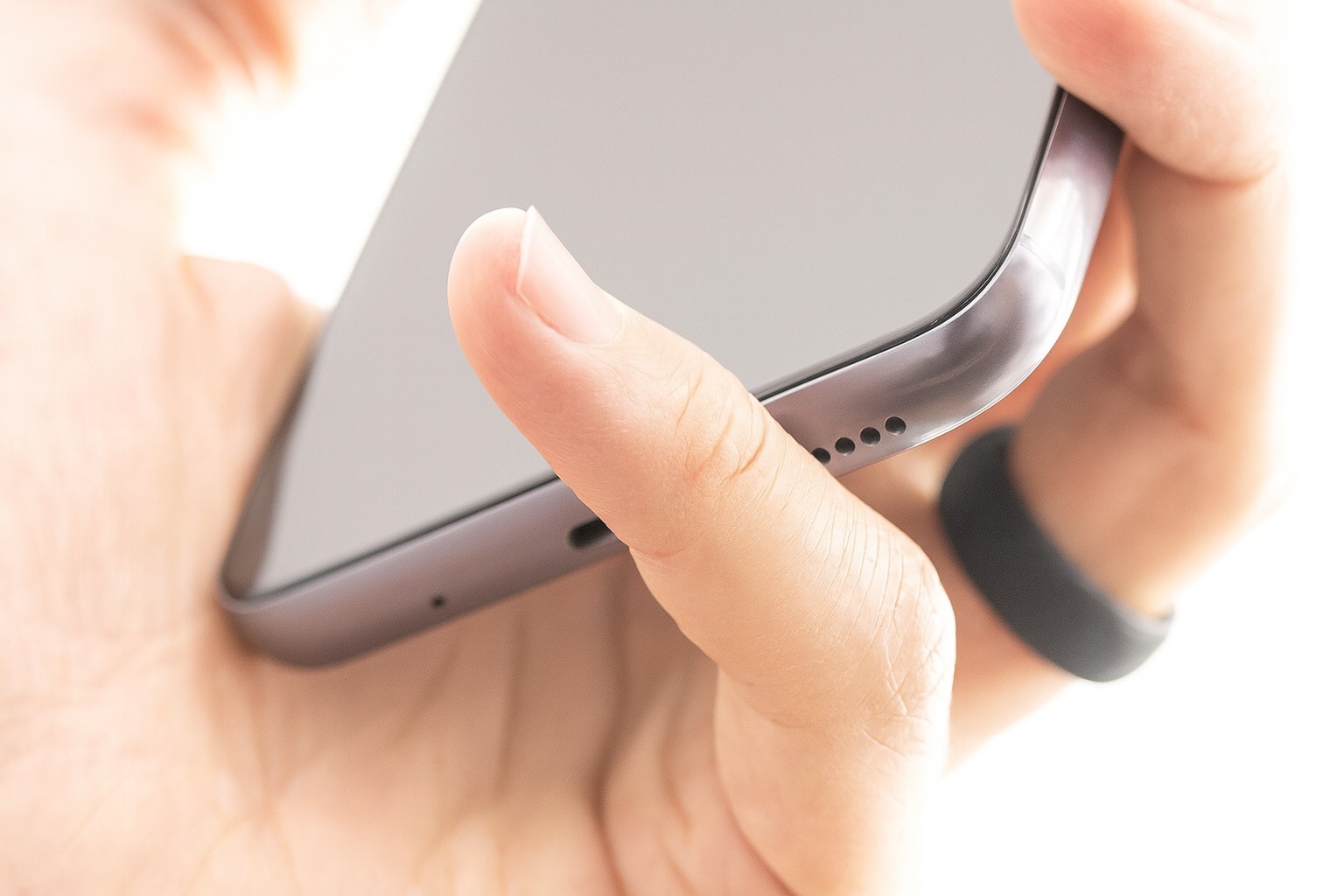
The term smartphone pinky started as an online in‑joke: people sharing photos of a small groove or curve in their fifth finger where the phone’s bottom edge rests. But the trend has quickly moved from TikTok and Reddit into clinics and journals.
- A 2024 study from Saudi Arabia surveyed 500 people in the Eastern Province and found that nearly half used their phones 5–8 hours a day, and about two‑thirds held them in what researchers classified as a “wrong” way. Yet 74.4% had never even heard the phrase smartphone pinky, and fewer than half believed it could affect daily life. [3]
- In January 2025, a letter in The Medical Bulletin of Haseki asked bluntly whether smartphone pinky is “myth or reality.” The authors concluded that dramatic permanent deformities are probably overblown, but acknowledged that repeated pressure on the little finger and poor phone ergonomics can cause pain, tendon irritation and nerve symptoms. [4]
Meanwhile, coverage in India, the US and elsewhere has highlighted rising numbers of patients showing up to orthopedists and physiotherapists with pinky pain, numbness and stiffness linked to phone habits. [5]
In other words: the memes might be exaggerated, but the discomfort is very real.
What Exactly Is Smartphone Pinky?
There’s still no official medical diagnosis called “smartphone pinky.” Most experts use the phrase informally to describe:
- A dent, curve or pressure mark on the little finger from supporting a phone
- Pain, tenderness or burning at the side or pad of the pinky
- Numbness or tingling that can radiate into the ring finger or hand
Hand specialists interviewed by outlets like Health.com describe it as a repetitive‑strain problem: the pinky is pressed into a hard edge for long periods while the rest of the hand stabilises the phone and the thumb does most of the tapping. [6]
That constant load can:
- Irritate soft tissues around the small finger joints
- Overwork muscles and tendons that help grip the phone
- Contribute to compression of the ulnar nerve — the nerve that supplies the ring and little fingers
Cleveland Clinic warns that supporting your phone with the pinky can contribute to ulnar nerve irritation in the hand, and that persistent tingling or numbness in the little finger sometimes points to a more serious condition called cubital tunnel syndrome (also dubbed “smartphone elbow”). [7]
So while the grooves you see on social media are usually just temporary pressure marks, the underlying strain can add up.
The Science: Studies Show Phone Use and Hand Pain Are Closely Linked
Several new studies published in 2024 and 2025 move the conversation beyond memes and into measurable data.
1. Heavier phones, more hand discomfort
A 2024 open‑access study in BMC Public Health followed 204 university students and looked at both how they used their phones and the devices’ physical specs. Nearly 60% reported discomfort in their right hand due to smartphone use, and over half had pain scores considered clinically meaningful. Crucially, heavier phones were significantly more likely to be associated with right‑hand discomfort. [8]
The authors concluded that smartphone weight is an independent risk factor for hand pain, and argued that ergonomic design — not just screen quality or battery size — should be a priority for manufacturers. [9]
2. Smartphone addiction and posture drive pain in multiple fingers
In March 2025, another BMC Public Health paper examined 227 university students in Turkey. It found that: [10]
- 76.65% of students reported pain in one or both hands
- Higher smartphone‑addiction scores were strongly associated with increased pain in all hand regions
- Common postures included one‑handed use with pinky support and two‑handed “thumb typing”; both were linked with more reports of discomfort in the pinky, ring and thumb fingers
The authors highlighted that smartphone addiction rates in students can range from about 28% to almost 80%, depending on the population — and that those with higher addiction scores report much more pain. [11]
3. Smartphone Pinky Syndrome in addicted students
One of the first attempts to quantify smartphone pinky itself came from a 2025 cross‑sectional study of 100 smartphone‑addicted college students in India. Using a shortened smartphone addiction scale and an elbow‑flexion test that stresses the ulnar nerve, the researchers found that: [12]
- 77% of participants met criteria for smartphone addiction
- 43% reported wrist or neck pain linked to smartphone use
- 59.9% of these addicted users showed signs of “smartphone pinky syndrome” — symptoms consistent with ulnar nerve irritation and small‑finger discomfort
Again, the design can’t prove causation, but the overlap between heavy, addicted use and pinky symptoms is striking.
4. Adolescents, dependence and musculoskeletal pain
It’s not just college students. A 2025 study in Frontiers in Pain Research looked at 622 adolescents aged 10–18 and found: [13]
- 56.3% reported musculoskeletal pain in at least one region (neck, shoulders, upper back or lower back)
- Those reporting pain had significantly higher mobile‑phone‑dependence scores than those without pain
- Specific dependence traits like “abuse” and “difficulty regulating use” were strongly associated with general pain and neck pain, regardless of sex
Taken together, these studies suggest a clear pattern: the more time people spend on their phones — especially when they’re addicted, using heavy devices and holding them awkwardly — the more likely they are to develop pain in the hands, fingers and upper body.
It’s Not Just the Pinky: Other Phone‑Related Hand Problems
Doctors are increasingly seeing a broader cluster of “device injuries”:
- Texting thumb (De Quervain’s tenosynovitis): inflammation of the tendons at the thumb side of the wrist, often linked to repetitive scrolling and typing. [14]
- Carpal tunnel syndrome: compression of the median nerve at the wrist, potentially aggravated by long periods of gripping a phone with a bent wrist. [15]
- Cubital tunnel syndrome (“smartphone elbow”): ulnar nerve compression at the elbow, producing numbness and tingling in the ring and little fingers — particularly common when people scroll or talk with their elbows sharply bent or sleep curled up. [16]
A widely shared explainer on Health.com notes that persistent smartphone overuse can lead to problems like trigger finger, cubital tunnel syndrome and reduced fine motor strength if habits don’t change. [17]
Indian orthopedists interviewed by The Times of India warn that ignoring “smartphone pinky syndrome” and continuing to prop the phone on the little finger could contribute over the next decade to arthritis, trigger finger and permanently thickened skin in that area. [18]
So yes, your pinky might recover from a few evening dents — but the bigger pattern of strain is what experts are increasingly worried about.
Big Phones, Small Fingers: Why 2025 Hardware Makes This Worse
The timing of the smartphone‑pinky surge is not coincidental. Phones have quietly bulked up.
- Samsung’s Galaxy S24 FE — the device highlighted in Android Authority’s recent review — has a 6.7‑inch display and weighs about 213g. Even the reviewer admitted they often ended up either supporting it on a pinky or using two hands because of its size and sharp frame edges. [19]
- Apple’s iPhone 16 Pro Max pairs a 6.9‑inch screen with a weight of 227g, while the smaller 16 Pro still weighs 199g. [20]
- TechRadar’s late‑October guide to the best Android phones lists flagships like the OnePlus 13 and Pixel 10 Pro XL in the 207–232g range. [21]
- The new Nothing Phone 3 review describes a 6.67‑inch display and a “substantial” 218g body. [22]
- Looking ahead, Samsung’s upcoming Galaxy Z TriFold — a triple‑folding tablet‑phone hybrid — is expected to weigh about 309g when folded, far heavier than a typical slab phone. [23]
At the same time, usage expectations have exploded. Statcounter’s latest data shows that high‑resolution, tall smartphone displays dominate worldwide, reflecting the shift toward larger, more immersive screens. [24]
Put simply: we’re holding bigger, heavier glass‑and‑metal bricks for longer, and many of us are balancing them on a single small finger.
The Android Authority poll underlines this:
- 59% of respondents said they hold their phones one‑handed with the little finger supporting the bottom edge
- Only 3–4% use a classic two‑handed grip for most use
- Around 6% rely on a grip accessory such as a ring or PopSocket [25]
That combination — heavy hardware plus pinky‑shelf grip plus long sessions — is exactly what hand therapists are trying to get people to change.
Symptoms You Shouldn’t Ignore
Everyone’s hands are different, and occasional mild soreness after a long day online isn’t automatically a crisis. But experts say you should pay attention if you notice any of the following, especially if it keeps happening: [26]
- A persistent ache, burning or sharp pain in the pinky, ring finger or side of the hand
- Numbness or tingling in the little finger (with or without symptoms in the ring finger)
- Visible swelling, redness or warmth around the small finger joints
- A feeling that your pinky is weaker, “clumsy” or less able to grip
- Night‑time symptoms — waking up with numb fingers or an arm that “fell asleep”
- Pain in the wrist, thumb or forearm that you clearly associate with phone use
If pain, numbness or weakness lasts more than a couple of weeks, gets worse, or starts to interfere with everyday tasks like buttoning clothes or holding a mug, it’s time to see a doctor or hand specialist rather than just blaming the algorithm.
(This article is for general information only and is not a substitute for professional medical advice.)
10 Practical Ways to Protect Your Hands Without Ditching Your Phone
The good news: you probably don’t need to go off‑grid. Most clinicians focus on changing how you use your phone rather than insisting you stop altogether. Common, evidence‑aligned suggestions include: [27]
- Retire the pinky shelf
- Hold the phone with all four fingers behind the device and the thumb on the side, or use two hands with both thumbs for typing.
- If one‑handed is unavoidable (crowded train, grocery line), limit how long you stay in that position.
- Use a grip accessory or stand
- PopSockets, rings, straps and loop cases let you hook two or three fingers through the back instead of loading everything onto the pinky.
- Desk stands or kickstands are ideal for long videos or video calls.
- Shrink the reach, not your phone
- Switch to a smaller on‑screen keyboard or move it closer to your dominant thumb using one‑handed mode.
- Increase text size so you aren’t straining and over‑scrolling.
- Take micro‑breaks
- Every 20–30 minutes, put the phone down, straighten your fingers, gently open and close your hands, and roll your wrists.
- Treat long scroll sessions the way you’d treat a long typing session at a computer.
- Keep wrists and elbows neutral when you can
- Rest your forearm on an armrest, pillow or table when scrolling.
- Avoid using the phone for long periods with your elbow sharply bent (for example, in bed with your arm curled under your head).
- Mix in voice and shortcuts
- Use voice typing, voice assistants and quick‑reply templates to reduce repetitive thumb motions.
- Dictating longer messages is often faster and easier on your hands.
- Switch hands regularly
- Alternate which hand holds the phone and which hand does most of the tapping, especially during long chats or games.
- Stretch your hands and forearms
- Gentle range‑of‑motion exercises for the fingers, wrist flexor stretches and forearm stretches can help offset tightness from gripping. A physiotherapist can tailor a routine if pain is already a problem.
- Check your sleep posture
- If you wake up with numb ring and little fingers, you may be sleeping with bent elbows that compress the ulnar nerve. Specialists often recommend night‑time braces or even a towel wrap to keep elbows from curling too tightly. [28]
- Know when DIY isn’t enough
- Persistent or worsening symptoms, visible deformity, or sudden weakness should be evaluated by a doctor. In some cases, conditions like cubital tunnel or carpal tunnel syndrome require targeted therapy, splints or (rarely) surgery. [29]
What Phone Makers Could Do Next
The onus isn’t only on users. The newer research on device weight, hand discomfort and smartphone pinky gives manufacturers several clear design cues: [30]
- Prioritise weight and grip comfort, not just battery capacity and camera modules.
- Offer genuinely compact options — not just “small for Android,” but phones that people with smaller hands can comfortably hold without a pinky shelf.
- Shape edges and backs for support, with gentle contours or soft‑touch materials instead of sharp slabs of glass and metal.
- Surface ergonomic settings in software: one‑handed modes, gesture customisation and digital‑wellbeing nudges that remind users to take a break.
Given that smartphone addiction and heavy use are deeply woven into modern life, small ergonomic improvements at scale could reduce a lot of everyday discomfort.
The Bottom Line
As of early December 2025, “smartphone pinky” sits at an awkward intersection between internet joke and emerging health concern. Current evidence suggests:
- The dramatic “permanent deformity” photos are probably exaggerated for most people. [31]
- But hand pain, finger strain and nerve symptoms linked to phone use are very real — and common across students, adolescents and heavy smartphone users. [32]
- Bigger, heavier phones and pinky‑shelf grips are a bad combination for the smallest, most delicate digit in your hand. [33]
You don’t have to break up with your phone, but you should break up with the way you hold it. Change the grip, add some hardware help, give your hands regular breaks — and if your pinky keeps complaining, talk to a professional instead of just laughing it off in the comments.

References
1. www.androidauthority.com, 2. pubmed.ncbi.nlm.nih.gov, 3. pubmed.ncbi.nlm.nih.gov, 4. hasekidergisi.com, 5. timesofindia.indiatimes.com, 6. www.health.com, 7. health.clevelandclinic.org, 8. bmcpublichealth.biomedcentral.com, 9. bmcpublichealth.biomedcentral.com, 10. www.researchgate.net, 11. www.researchgate.net, 12. www.jneonatalsurg.com, 13. www.frontiersin.org, 14. www.hand2shouldercenter.com, 15. www.rush.edu, 16. healthcare.utah.edu, 17. www.health.com, 18. timesofindia.indiatimes.com, 19. www.androidauthority.com, 20. www.apple.com, 21. www.techradar.com, 22. www.techradar.com, 23. www.wsj.com, 24. gs.statcounter.com, 25. www.androidauthority.com, 26. health.clevelandclinic.org, 27. www.health.com, 28. healthcare.utah.edu, 29. healthcare.utah.edu, 30. bmcpublichealth.biomedcentral.com, 31. hasekidergisi.com, 32. www.researchgate.net, 33. bmcpublichealth.biomedcentral.com
