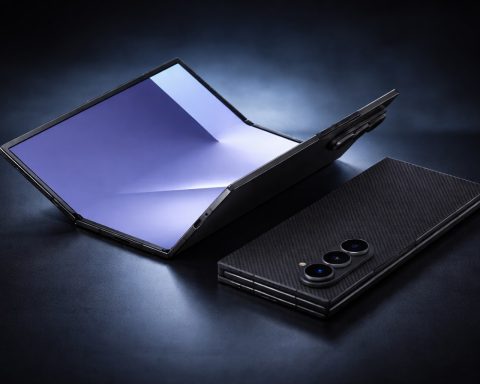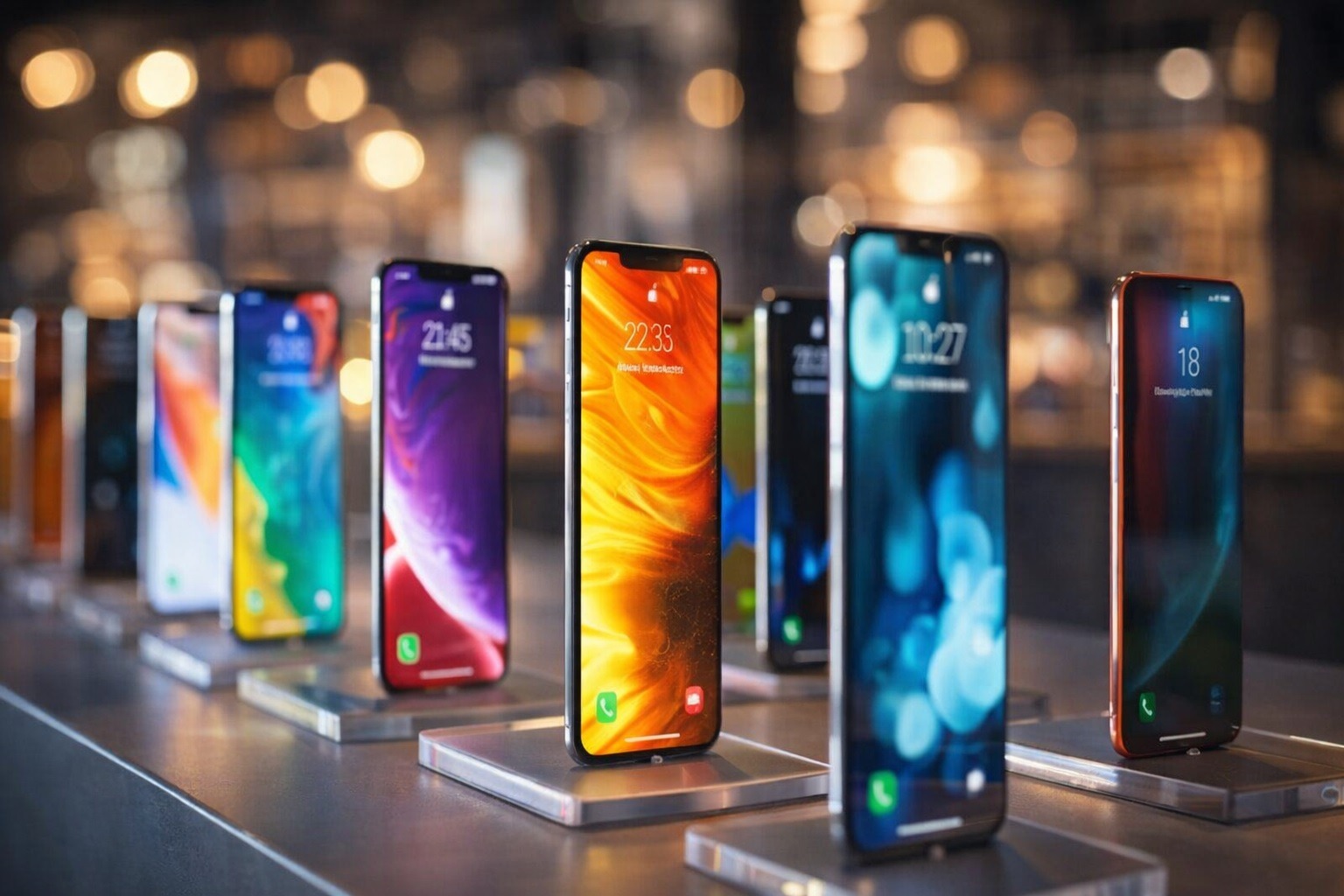
The global smartphone market is heading toward a rare double hit in 2026: fewer devices shipped and higher prices. New forecasts published this week point to an AI-driven memory crunch that’s already pushing up component costs—especially for budget phones.
A wave of new research and reporting is converging on the same warning for consumers and phone makers: 2026 could be a more expensive year to buy a smartphone, with fewer low-cost options on shelves.
According to Counterpoint’s latest smartphone shipment forecast update, global smartphone shipments are now expected to decline 2.1% in 2026, a sharp turn from earlier expectations—and the firm also sees average selling prices (ASPs) rising 6.9% next year as manufacturers pass through higher parts costs and reshape their portfolios. [1]
That squeeze is being blamed on a familiar culprit with a new twist: AI’s relentless demand for memory chips, which is tightening supply for consumer devices and pushing up prices across the electronics supply chain. [2]
What changed: 2026 smartphone forecasts revised down as component costs surge
Counterpoint’s December update indicates a meaningful downgrade for next year:
- 2026 smartphone shipments: now forecast to fall 2.1% globally. [3]
- Revision size: Counterpoint describes this as a 2.6 percentage-point downward revision versus its prior 2026 outlook, with HONOR, OPPO, and vivo seeing the biggest revisions. [4]
- Prices: Counterpoint expects ASPs to rise 6.9% in 2026, revised up from 3.9% in its earlier ASP forecast. [5]
Tech outlet 9to5Google summarized the same Counterpoint outlook, emphasizing that the driver isn’t a sudden collapse in demand—it’s an emerging reality that phones are becoming more expensive to build as memory and chip pricing climbs. [6]
Why AI is raising smartphone prices: memory is getting pulled into data centers first
The heart of the issue is memory allocation. AI infrastructure—especially data centers—requires enormous amounts of memory, and suppliers are prioritizing higher-margin, AI-oriented products.
Reporting cited by Bloomberg (published in Taiwan’s Taipei Times) describes how the global AI build-out is pushing semiconductor producers to prioritize advanced memory for Nvidia accelerators, contributing to shortages of DRAM used broadly across consumer electronics. [7]
Reuters adds that electronics supply chains have been hit by shortages of legacy memory chips, as manufacturers focus more on high-end memory suited to AI semiconductors. [8]
Axios, framing the impact for consumers, points out that this shift can show up in two ways: higher sticker prices and slower spec upgrades (for example, companies sticking with the same RAM tiers for another generation). [9]
Budget phones are in the blast zone: under-$200 devices face the biggest pressure
If there’s a single segment most exposed, it’s entry-level smartphones.
Counterpoint states that phones priced below $200 are being impacted “most severely,” with the bill-of-materials (BoM) cost for that tier rising 20%–30% since the beginning of 2025. [10]
And the pressure may intensify. Counterpoint-linked reporting says memory prices could rise another 40% through the second quarter of 2026, which could push overall smartphone BoM costs 8% to over 15% above current elevated levels. [11]
That math explains why analysts increasingly expect budget models to be trimmed, delayed, or quietly “reconfigured” (same price, less storage/RAM, or downgraded secondary components).
How phone makers may respond: fewer low-end models, more “Pro” upsell, and quiet spec trade-offs
Counterpoint’s update spells out a set of mitigation strategies that will likely shape 2026 product lineups:
- Portfolio pruning: if costs can’t be passed through in the lowest price bands, OEMs may reduce the number of low-end SKUs. [12]
- Pushing buyers up-market: steering shoppers to higher-margin “Pro” or premium variants. [13]
- Spec downgrades elsewhere: Counterpoint says it’s seeing downgrades in components like camera modules, displays, audio parts, and memory configurations, plus tactics like reusing older components. [14]
Bloomberg-cited reporting similarly notes options such as selling phones with less memory or downgrading specs like cameras, rather than simply eating the cost. [15]
Winners and losers: Apple and Samsung better positioned, smaller OEMs squeezed
Most coverage agrees the pain won’t be distributed equally:
- More vulnerable: Chinese brands competing heavily in low-margin entry-level devices, such as HONOR and OPPO, are highlighted as particularly exposed. [16]
- Better positioned: Counterpoint says Apple and Samsung are best positioned to weather the next few quarters due to scale and portfolio mix. [17]
BusinessKorea echoes the same theme, pointing to Samsung’s vertical integration and premium-heavy lineup as structural advantages, while warning that the cost shock is concentrated among OEMs with high budget exposure. [18]
The price hikes aren’t theoretical anymore: Dell’s increases begin today (Dec. 17)
The memory squeeze is already showing up in corporate hardware pricing—an important signal because the same DRAM and NAND supply chain feeds laptops, desktops, and smartphones.
Business Insider reports that Dell is raising prices on Dec. 17 across commercial product lines amid global shortages of DRAM and NAND, with notable jumps tied to higher memory configurations. [19]
Examples cited in the report include:
- Systems with 32GB of memory: +$130 to +$230
- Top configurations at 128GB: +$520 to +$765
- 1TB storage: +$55 to +$135 [20]
The takeaway for phone buyers: when enterprise pricing starts moving sharply due to memory constraints, consumer devices typically follow—either through higher retail prices or slower improvements per dollar.
Bigger picture: AI is still accelerating chip investment—even as consumer devices get squeezed
While smartphones may face a tougher 2026, the broader chip ecosystem is gearing up for continued AI-driven expansion.
Reuters reports that SEMI forecasts chipmaking equipment sales rising to $126 billion in 2026, driven by expansion in logic and memory capacity for AI demand. [21]
That’s a key context point: the industry is investing, but new capacity takes time, and the near-term allocation battle (AI vs. consumer electronics) is happening now.
What this means if you’re buying a phone in 2026
Based on today’s forecasts and reporting, here’s what consumers should realistically expect:
- Higher prices in many segments
Counterpoint’s ASP forecast implies a broad-based rise, not limited to flagships. [22] - The budget category may shrink or stagnate
Under-$200 phones are already seeing the steepest cost pressure; that’s where model cuts or value erosion are most likely. [23] - Slower RAM/storage upgrades
Even if a phone’s headline price holds, buyers may see “less generous” base storage/RAM configurations or fewer improvements year-over-year. [24] - More aggressive upselling
OEMs have incentives to push buyers into higher-margin tiers (“Pro,” “Ultra,” etc.) to absorb higher BoM costs. [25]
Key numbers to remember from today’s reports
- 2026 global smartphone shipments:-2.1% (Counterpoint revised forecast) [26]
- 2026 smartphone average selling price:+6.9% [27]
- Low-end phone BoM increase since early 2025:+20% to +30% [28]
- Possible additional memory price increases through Q2 2026:+40% (per Counterpoint-linked reporting) [29]
- A second benchmark: IDC previously projected -0.9% smartphone shipment decline in 2026, also citing memory cost pressure. [30]
FAQ: What people are asking today
Why does AI affect smartphone prices?
Because AI data centers consume huge amounts of memory and related components, suppliers prioritize those higher-value orders—tightening supply for consumer devices and pushing up costs. [31]
Will all phones get more expensive in 2026?
Not necessarily every model, but forecasts point to a broad uplift in average selling prices, with the biggest strain on low-cost phones where margins are thin and cost increases are harder to absorb. [32]
Which brands are most exposed?
Reporting tied to Counterpoint highlights budget-heavy OEMs—especially in the entry-level segment—as more vulnerable, while Apple and Samsung are described as better positioned due to scale and portfolio mix. [33]

References
1. www.eetasia.com, 2. www.reuters.com, 3. www.eetasia.com, 4. www.eetasia.com, 5. www.eetasia.com, 6. 9to5google.com, 7. www.taipeitimes.com, 8. www.reuters.com, 9. www.axios.com, 10. www.reuters.com, 11. www.eetasia.com, 12. www.eetasia.com, 13. www.eetasia.com, 14. www.eetasia.com, 15. www.taipeitimes.com, 16. www.reuters.com, 17. www.reuters.com, 18. www.businesskorea.co.kr, 19. www.businessinsider.com, 20. www.businessinsider.com, 21. www.reuters.com, 22. www.eetasia.com, 23. www.reuters.com, 24. www.axios.com, 25. www.eetasia.com, 26. www.reuters.com, 27. www.eetasia.com, 28. www.reuters.com, 29. www.eetasia.com, 30. www.reuters.com, 31. www.reuters.com, 32. www.eetasia.com, 33. www.reuters.com