From iPhone 17 Pro Max and Galaxy S25 Ultra to Oppo and Vivo teleconverter kits, smartphone photography surged in 2025. Here’s what’s next in 2026—and today’s biggest camera headlines (Dec 31, 2025).
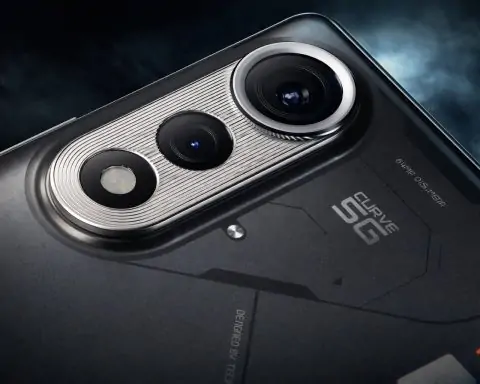
Smartphone cameras didn’t just get better in 2025—they got bolder. Bigger sensors, 200MP zoom hardware, and new “camera-first” accessories pushed phones closer than ever to dedicated cameras. At the same time, a growing backlash is forming against aggressive AI retouching that can make photos look “perfect”… but not always true. [1]
As 2025 ends, today’s camera-news cycle captures the contradictions perfectly: Apple is doubling down on tactile shooting with a dedicated Camera Control button; Xiaomi is defending a controversial physical zoom ring design amid quality complaints; and Samsung’s next Ultra is already being linked to camera fixes aimed at more natural photos. [2]
Below is a full, reader-friendly roundup of the best camera phones of 2025, the biggest camera trends shaping 2026, and the latest updates published on December 31, 2025.
Best camera phones of 2025: the models that defined mobile photography
Year-end “best camera phone” lists vary depending on whether you prioritize zoom, portraits, video, or low-light performance. But across major 2025 roundups, the same names keep appearing—because each represents a different philosophy of phone photography: “natural” processing, “versatile” hardware, or “DSLR-style” zoom power. [3]
1) Apple iPhone 17 Pro Max: consistency + video strength
Apple’s iPhone 17 Pro Max is widely positioned as a top-tier camera option thanks to its triple 48MP rear setup and a continued focus on natural-looking processing, plus strong video performance. [4]
One 2025 detail that matters for shooters: the iPhone 17 Pro Max also sits inside a broader Apple push toward more tactile camera control—something that becomes especially clear in today’s Camera Control news (more on that below). [5]
2) Samsung Galaxy S25 Ultra: “do-everything” versatility
Samsung’s Galaxy S25 Ultra remains a go-to recommendation for people who want options: a high-resolution main camera, multiple zoom levels, and pro-oriented tools. The device is described as strong partly because it can switch across focal lengths more smoothly while still offering “pro-grade” capture and editing features. [6]
3) Oppo Find X9 Pro: telephoto-first, with a serious add-on lens
Oppo’s Find X9 Pro stands out as a photography-first flagship built around zoom and color science, backed by the company’s partnership work in imaging. It also supports a dedicated, optional Hasselblad-branded teleconverter kit designed to extend reach beyond what the built-in optics can do alone. [7]
4) Vivo X300 Pro: portraits + color, plus a Zeiss telephoto extender kit
Vivo’s X300 Pro is repeatedly framed as one of the year’s best camera experiences, with special attention to portrait work and color reproduction—and it leans into accessories too, offering a telephoto extender kit co-developed with Zeiss to stretch a telephoto lens into a longer effective focal length. [8]
5) Xiaomi 15 Ultra: Leica-tuned flexibility for enthusiasts
While Xiaomi’s newer “17 Ultra” is described as China-limited right now, the Xiaomi 15 Ultra is positioned as the more broadly accessible option that still aims at enthusiasts: Leica-tuned optics and a quad rear setup that emphasizes flexibility—especially on the telephoto end. [9]
Bonus pick: Google Pixel 10 Pro XL: processing still matters
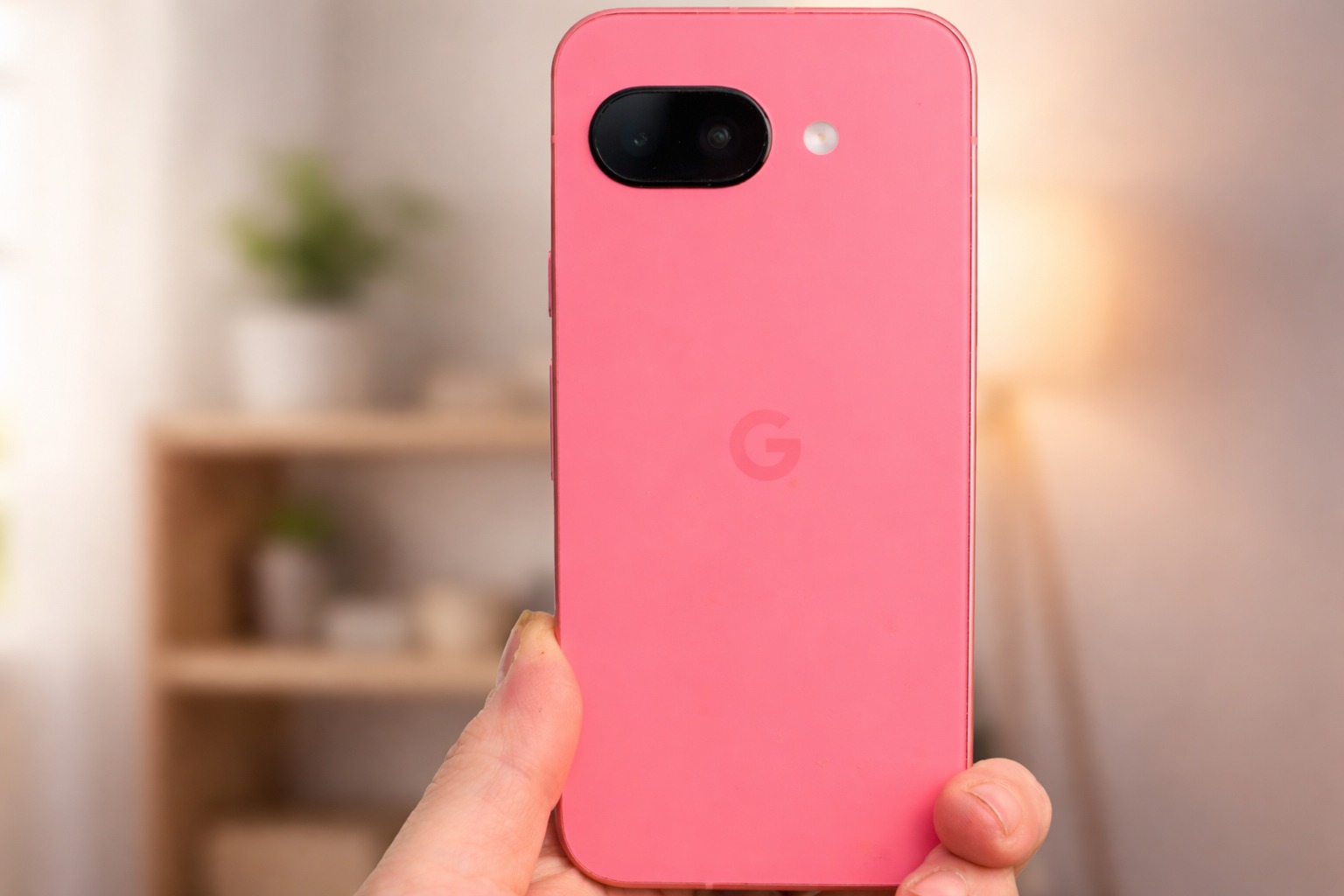
Hardware isn’t the whole story. Google’s Pixel approach continues to emphasize computational photography. Even when changes are incremental year-to-year, Pixel models remain frequent “best camera phone” mentions for the quality and reliability of their output—especially for people who want great results without deep manual tweaking. [10]
The big 2025 shift: zoom wars, bigger sensors, and “camera kits” that break the slab-phone limit
For years, phone camera improvements were largely internal—better sensors, better stabilization, better processing. But 2025 reinforced a bigger trend: phones are turning into platforms for a wider imaging system.
Two ideas kept repeating across late-2025 coverage:
- Big sensors are back in fashion, especially in flagships chasing DSLR-like light capture. [11]
- External accessories are no longer “gimmicky clip-ons”—some are now designed as integrated add-ons (teleconverters, extender kits) that the phone can recognize and compensate for in processing. [12]
A recent industry argument is that the physics problem hasn’t changed: thin phones can only do so much with tiny lenses. So companies are experimenting with ways to extend optics outside the body—telephoto extenders, modular optics, and stability-focused add-ons—while keeping the phone as the brain of the system. [13]
This “phone-as-camera-system” idea is also echoed in forward-looking 2026 commentary: Chinese brands, in particular, are portrayed as driving the push with massive sensors and aggressive zoom hardware—sometimes paired with extender kits. [14]
The backlash: AI photo retouching is getting “too good”—and people want a real off switch
The most heated camera debate heading into 2026 isn’t megapixels. It’s trust.
One of the most pointed arguments in the year-end conversation is that AI-enhanced photos are increasingly blurring the line between “enhancing what you captured” and “replacing what you captured.” [15]
A key example cited in this debate: “moon photo” controversies, where the worry isn’t that a phone improves a difficult shot—it’s that it might detect a subject and effectively substitute details to produce a better-looking result. [16]
The result: a growing call for a simple, visible toggle—an “AI off” switch in the camera viewfinder that lets users choose realism over aggressive enhancement. [17]
Why Pro/RAW modes don’t fully solve it
Many users assume RAW or Pro modes automatically disable heavy processing. But the critique is that this isn’t consistently true across platforms:
- On iPhone, ProRAW can still include Apple’s image pipeline effects (such as Smart HDR and Deep Fusion), meaning the “look” may remain even when you choose a more “pro” format. [18]
- On Samsung, “Expert RAW” uses multi-frame computational processing; Samsung’s built-in Pro Mode is described as “cleaner,” and newer versions allow more tuning (like HDR off and sharpening adjustment). [19]
- On Google Pixel, RAW capture still uses the HDR+ pipeline; you may get both a processed JPG and a DNG that retains more original sensor data, but it isn’t necessarily untouched. [20]
The “authenticity” countertrend: why digicams are back in the conversation
An especially telling cultural signal: the renewed interest (especially among younger shooters) in old digicams and older phones, in part because their images look more imperfect—and therefore more “real.” The argument isn’t that old cameras are better. It’s that today’s smartphone photos can feel overly polished, with a recognizable “phone photo” signature. [21]
This is where 2026 pressure on Apple, Google, and Samsung is likely to intensify: consumers still want bright, shareable photos, but they also want control and honesty—and not hidden processing that changes the meaning of an image. [22]
Today’s camera headlines: what’s new on December 31, 2025
Here are the key camera-related updates circulating today (31.12.2025), and why each one matters.
1) iPhone 17’s Camera Control button: Apple’s “two-stage shutter” goes mainstream
A detailed explainer published today highlights how Apple’s Camera Control is evolving into a more camera-like interface across the iPhone 17 lineup—designed to speed up capture and reduce reliance on on-screen controls. [23]
What stands out:
- It behaves like a pressure-sensitive shutter: press to launch camera, press again to shoot, press-and-hold to record video. [24]
- A light press triggers haptics and opens a clean adjustment interface for exposure/zoom, reducing accidental taps. [25]
- It supports third-party camera apps and can tie into “Visual Intelligence” features that analyze what the camera sees. [26]
- Apple also makes it highly configurable—adjust sensitivity, switch the launch gesture to prevent accidental opens, or disable light-press adjustments entirely. [27]
Why it matters: as phones get more computational, control surfaces become part of the camera story again. Apple is effectively saying, “Yes, the phone is smart—but it should still feel like a camera in your hand.”
2) Xiaomi 17 Ultra Leica zoom ring controversy: quality issue or intentional design?
One of the most talked-about hardware ideas lately is Xiaomi’s Leica-styled zoom-ring concept. But a NotebookCheck update today highlights complaints that some devices may have a wobbly zoom ring, which sparked concerns among early buyers and importers. [28]
The key news update (Dec 31): Xiaomi responded on Weibo, denying production issues and saying the looseness is intentional—meant to keep operation stable even after drops or exposure to dirt/liquid; it also said noises when shaking are normal. [29]
Why it matters: phone camera innovation is increasingly physical again (rings, buttons, accessories). But when you add moving parts, durability and QA become the story, not just image quality.
3) Galaxy S26 Ultra camera leak: new lens coating aimed at glare and more natural photos
A leak-focused report updated today claims Samsung could address a real-world problem many phone shooters recognize: lens flare and glare in harsh light. The rumor centers on a new lens coating intended to reduce glare and improve clarity, plus improvements to skin-tone rendering. [30]
The same report situates this as part of the Galaxy S26 Ultra’s expected evolution ahead of a 2026 launch window, while stressing the usual caveat: Samsung hasn’t confirmed these details. [31]
Why it matters: 2026 camera competition may shift from “bigger numbers” toward cleaner optics and more faithful color, which is exactly the direction many critics of AI-heavy photography are asking for.
4) “The camera wars are back”: 2026 may be the year of hardware flex—and variable aperture
A major year-end tech feature published today frames 2025 as the year Apple and Google embraced larger sensors while Chinese brands escalated the hardware race with massive sensors and high-megapixel zoom systems. [32]
It also lays out the 2026 angle:
- The next wave could bring even more 200MP-class zoom hardware and stronger optical zoom ambitions from brands like Oppo and Vivo. [33]
- Apple is linked to variable aperture on a future iPhone Pro model, a feature that has appeared before in smartphones but could return with renewed purpose. [34]
- The overarching question is whether hardware or algorithmic tuning will matter more in next year’s imaging leap. [35]
What to watch in 2026: 5 camera trends likely to shape your next upgrade
Here’s where the momentum is heading, based on the most consistent late-2025 reporting and commentary.
- More “camera-like” controls (buttons, rings, dials)
Apple’s Camera Control is a strong signal that tactile shooting is back in fashion. [36] - External optics become normalized for enthusiasts
Teleconverter/extender kits from Oppo and Vivo show how brands are experimenting with real glass, not just software zoom. [37] - A stronger push for authentic output
The “AI off” debate is no longer niche; it’s becoming part of mainstream camera expectations—especially if brands want to keep credibility with creators. [38] - Optics and coatings matter again
If Samsung does focus on glare reduction and skin-tone improvements, it suggests the next camera gains might look more like “real camera engineering,” not just more megapixels. [39] - Bigger sensors and zoom hardware keep escalating
Flagships are converging on similar bragging rights—large primaries, high-res periscope zoom—and the brands that win may be those that balance this with processing that doesn’t feel fake. [40]
Quick buyer’s guide: which “best camera phone 2025” fits your style?
If you’re choosing based on how you shoot, this is the simplest way to shortlist.
- Best for reliable, natural-looking shots + strong video: iPhone 17 Pro Max [41]
- Best for versatility across lenses and pro tools: Galaxy S25 Ultra [42]
- Best for zoom experimentation with an optional teleconverter: Oppo Find X9 Pro [43]
- Best for portraits and color, with a longer-lens extender option: Vivo X300 Pro [44]
- Best for Leica-tuned “enthusiast flexibility” (especially telephoto): Xiaomi 15 Ultra [45]
- Best for “computational photography does the work”: Google Pixel 10 Pro XL [46]
The bottom line: 2025 proved phones can be incredible cameras—now they must become more honest ones
2025 delivered genuine imaging leaps: better zoom, better stabilization, better processing, and even accessory ecosystems that extend what a thin phone body can do. [47]
But today’s headlines make the next phase clear: the winners of 2026 won’t just be the brands with the biggest sensors or the sharpest periscope zoom. They’ll be the brands that pair those gains with transparent control—from physical camera buttons to clear AI toggles—so users can choose whether they want “share-ready perfection” or “the truth of the moment.” [48]

References
1. www.phonearena.com, 2. www.moneycontrol.com, 3. www.gadgets360.com, 4. www.gadgets360.com, 5. www.moneycontrol.com, 6. www.gadgets360.com, 7. www.gadgets360.com, 8. www.gadgets360.com, 9. www.gadgets360.com, 10. www.gadgets360.com, 11. www.digitaltrends.com, 12. www.gadgets360.com, 13. www.indiatoday.in, 14. www.digitaltrends.com, 15. www.phonearena.com, 16. www.phonearena.com, 17. www.phonearena.com, 18. www.phonearena.com, 19. www.phonearena.com, 20. www.phonearena.com, 21. www.phonearena.com, 22. www.phonearena.com, 23. www.moneycontrol.com, 24. www.moneycontrol.com, 25. www.moneycontrol.com, 26. www.moneycontrol.com, 27. www.moneycontrol.com, 28. www.notebookcheck.net, 29. www.notebookcheck.net, 30. news.abplive.com, 31. news.abplive.com, 32. www.digitaltrends.com, 33. www.digitaltrends.com, 34. www.digitaltrends.com, 35. www.digitaltrends.com, 36. www.moneycontrol.com, 37. www.gadgets360.com, 38. www.phonearena.com, 39. news.abplive.com, 40. www.digitaltrends.com, 41. www.gadgets360.com, 42. www.gadgets360.com, 43. www.gadgets360.com, 44. www.gadgets360.com, 45. www.gadgets360.com, 46. www.gadgets360.com, 47. www.gadgets360.com, 48. www.moneycontrol.com