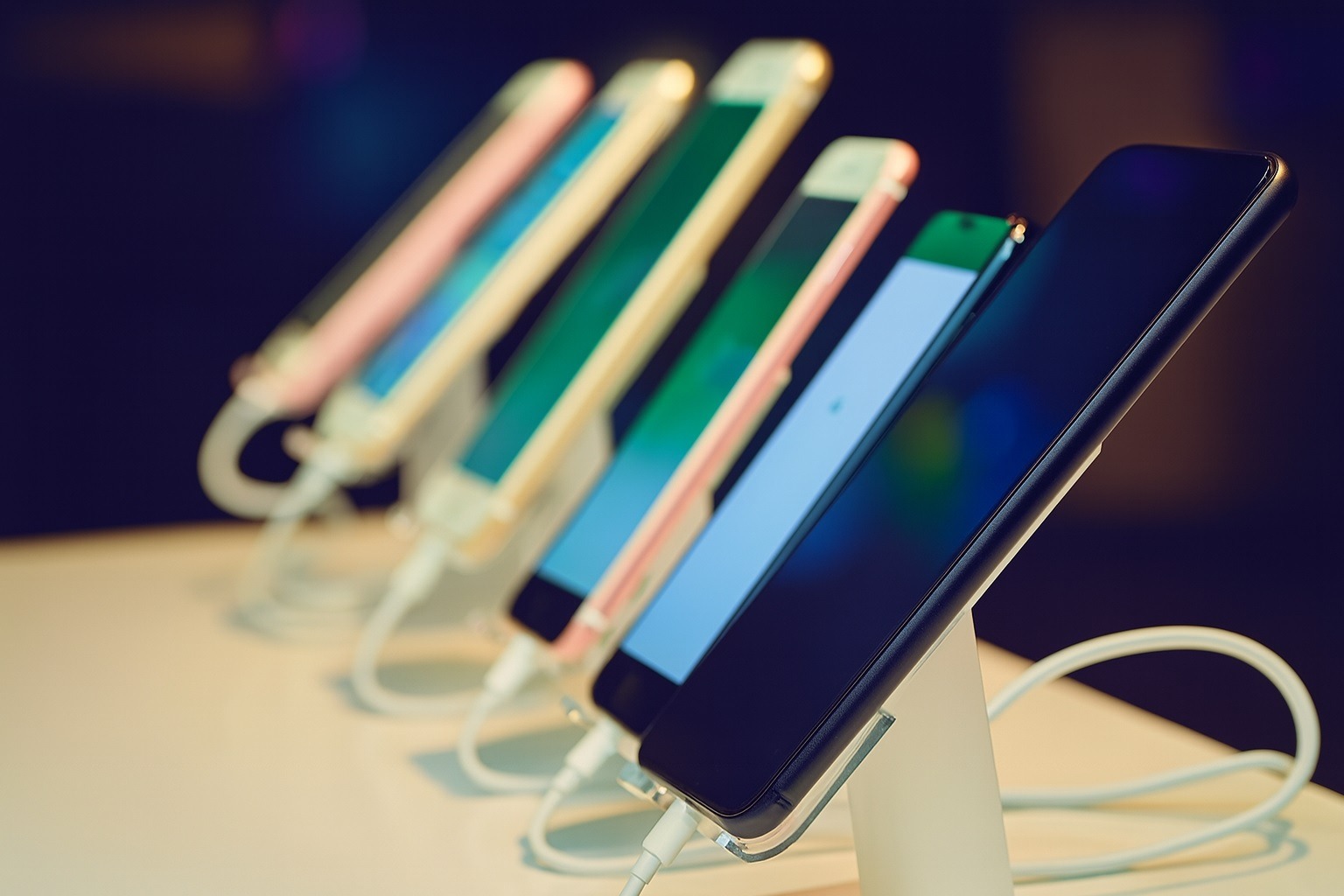
Apple is forecast to ship a record 247+ million iPhones next year, lifting the entire smartphone market in 2025 — even as a memory-chip crunch threatens a contraction in 2026.
Apple’s iPhone 17 lineup is on track to deliver the strongest smartphone year in the company’s history, and it’s big enough to move the whole industry.
A new forecast from research firm IDC projects that global smartphone shipments will grow 1.5% in 2025 to around 1.25 billion devices, up from a previous estimate of 1% growth. The key reason: Apple is expected to ship roughly 247–247.4 million iPhones, a 6.1% year‑over‑year increase and an all‑time high for the company. 1
But there’s a catch. IDC now thinks 2026 smartphone shipments will fall by about 0.9%, as soaring memory prices and Apple’s altered iPhone release schedule squeeze supply and push average selling prices to record levels. 2
IDC lifts 2025 smartphone outlook on Apple’s “record year”
IDC’s updated Worldwide Quarterly Mobile Phone Tracker shows a smartphone market that is still sluggish overall — but getting a meaningful bump from Cupertino.
- 2025: Global smartphone shipments are now forecast to reach 1.25 billion units, up 1.5% year over year, compared with a 1% growth forecast earlier this year. 1
- Apple: iPhone shipments are expected to grow 6.1% in 2025, compared with roughly 3.9% growth in the previous cycle, taking volumes to about 247–247.4 million units, the highest in Apple’s history. 3
IDC analysts say the stronger outlook reflects three forces working together:
- A blockbuster iPhone 17 cycle in the 2025 holiday quarter.
- Rebounding demand in China, Apple’s largest single market.
- Healthier upgrades in key emerging markets, where consumers are finally replacing older 4G and early 5G phones. 1
In plain terms, nearly all of the net unit growth in the smartphone business next year is expected to come from Apple. AppleInsider notes that the iPhone 17 family is “powering nearly all growth in 2025,” with other vendors essentially running in place. 4
China turns from drag to driver for iPhone 17
The single biggest swing factor in IDC’s forecast is China, a market that had been a serious worry for Apple just a year ago.
According to IDC’s China Monthly Sales data, iPhone 17 demand has flipped the narrative:
- Apple’s smartphone share in China topped 20% in October and November, putting it firmly in first place and “miles ahead of the competition,” as IDC’s Nabila Popal put it in comments cited by multiple outlets. 1
- IDC has revised its China 2025 iPhone outlook from a 1% decline to around 3% growth, thanks to that surge. 1
- For Q4 specifically, Apple’s China growth forecast jumps from 9% to 17% year over year, another sign of runaway demand for iPhone 17. 5
This turnaround isn’t limited to China. IDC and secondary reports say the same pattern is showing up in the U.S. and Western Europe, where high‑end demand had cooled in prior cycles. 3
MacRumors notes that standard iPhone 17 and iPhone 17 Pro models are selling especially well, while the cheaper iPhone 17 Air is reportedly underperforming expectations — reinforcing the idea that Apple’s momentum is heavily skewed toward premium devices. 5
All told, IDC expects iPhone revenue to surpass $261 billion in 2025, up around 7.2% from 2024, even though the overall smartphone market is barely growing in units. 1
2026 warning: fewer phones, more money
Beyond the 2025 celebration, IDC’s forecast turns much more cautious.
The firm now expects global smartphone shipments to decline by roughly 0.9% in 2026, reversing an earlier call for modest growth. 2
The main culprit: a worsening memory‑chip shortage that is pushing up the cost of components like RAM and storage. IDC believes this will:
- Drive average selling prices (ASPs) to about $465 in 2026, a record for the smartphone industry. 1
- Lift the total value of the smartphone market to roughly $578–579 billion, even as unit volumes fall. 1
- Hit low‑ to mid‑range Android devices the hardest, because those vendors have thinner margins and price‑sensitive buyers. 2
IDC research director Anthony Scarsella warns that manufacturers will be forced into uncomfortable choices: either raise prices directly or shift their lineups toward more expensive models with higher margins so they can absorb the extra memory costs without destroying profitability. 1
In other words, budget buyers are likely to feel the most pain in 2026: fewer options, tighter specs, and less aggressive discounts on entry‑level phones.
Apple’s new iPhone roadmap adds to the 2026 dip
On top of component shortages, Apple’s own product decisions will weigh on 2026 numbers.
Multiple reports citing IDC say Apple plans to change its iPhone release cadence: 5
- The high‑end iPhone Fold and iPhone 18 Pro models are expected to launch as usual in September 2026.
- The more affordable, “vanilla” iPhone 18 will reportedly be pushed back to spring 2027, creating a gap at the lower end of Apple’s lineup.
IDC estimates that this schedule shift alone could cut iOS shipments by about 4.2% in 2026, compounding the effect of memory shortages on the wider market. 1
Because Apple’s premium models carry healthier margins and loyal buyers, the company can weather higher component costs more easily than many Android competitors. But the decision to delay its next entry‑level iPhone means fewer iPhones shipped in 2026, even if revenue remains strong. 2
What it means for consumers and competitors
For consumers
- 2025 looks like the sweet spot: IDC expects plentiful supply, aggressive carrier promotions, and a hot iPhone 17 cycle that’s already generating long queues in markets like Beijing. 6
- 2026 could be tougher: fewer units in the channel, higher prices — especially on cheaper Android models — and a longer wait if you’re holding out specifically for a lower‑priced iPhone 18. 1
With upgrade cycles already stretching to three or four years in many markets, IDC expects some buyers to pull purchases into late 2025 to dodge price hikes and potential shortages in 2026. 4
For Android vendors
IDC’s forecast underlines just how much pressure Android manufacturers are under:
- Apple is on track to account for nearly one in five smartphones shipped worldwide in 2025, despite offering only a handful of models at the top of the price spectrum. 1
- Many Android brands lean heavily on aggressive specs at low prices — exactly the segment most exposed to rising memory costs. 2
To stay competitive, those vendors may need to trim features, raise prices, or push more customers into mid‑range and premium tiers where the margins can absorb cost inflation. None of those options is especially friendly to buyers.
For investors
For investors, the message is more nuanced:
- Apple: IDC’s numbers support the narrative of Apple as a “premium volume” player — growing units faster than the market while also lifting revenue per device. The firm’s forecast of over $261 billion in iPhone revenue in 2025 helps explain why Apple shares have been hovering near record highs and why several analysts have reiterated bullish ratings this week. 1
- Industry: The smartphone business is shifting from a volume story to a value story. Fewer phones, but more money — and a heavier tilt toward high‑end devices and brands that can command premium prices.
Key numbers at a glance
- 1.5% – Expected growth in global smartphone shipments in 2025, to 1.25 billion units. 1
- 247–247.4 million – Forecast iPhone shipments in 2025, up 6.1% year over year, a new record for Apple. 1
- >20% – Apple’s estimated smartphone share in China in October and November 2025, putting it in first place and prompting IDC to flip its China forecast from decline to growth. 1
- $261+ billion – Projected iPhone revenue in 2025, up roughly 7.2% versus 2024. 1
- ~1% decline (‑0.9%) – IDC’s new call for 2026 global smartphone shipments, down from a previous projection of growth. 2
- $465 – Expected average selling price of smartphones in 2026, an all‑time high. 1
- ~$579 billion – Estimated total value of the smartphone market in 2026, even as unit volumes fall. 1
- ~4.2% – Anticipated drop in iOS device shipments in 2026, due largely to Apple delaying its next entry‑level iPhone from late 2026 to early 2027. 1
The bottom line
For 2025, IDC’s message is clear: Apple is carrying the smartphone market on its back.
Record iPhone 17 shipments, a dramatic rebound in China, and solid demand in premium segments are enough to nudge global smartphone growth into positive territory next year.
But the party may be short‑lived. Rising memory costs, delayed product cycles, and the continued shift toward pricier models mean 2026 is shaping up as a year of fewer devices and higher prices, especially for budget‑conscious buyers.
For now, though, Apple’s iPhone 17 juggernaut has turned what looked like another flat smartphone year into a story of record shipments and record revenue — with the rest of the industry hanging on for the ride.