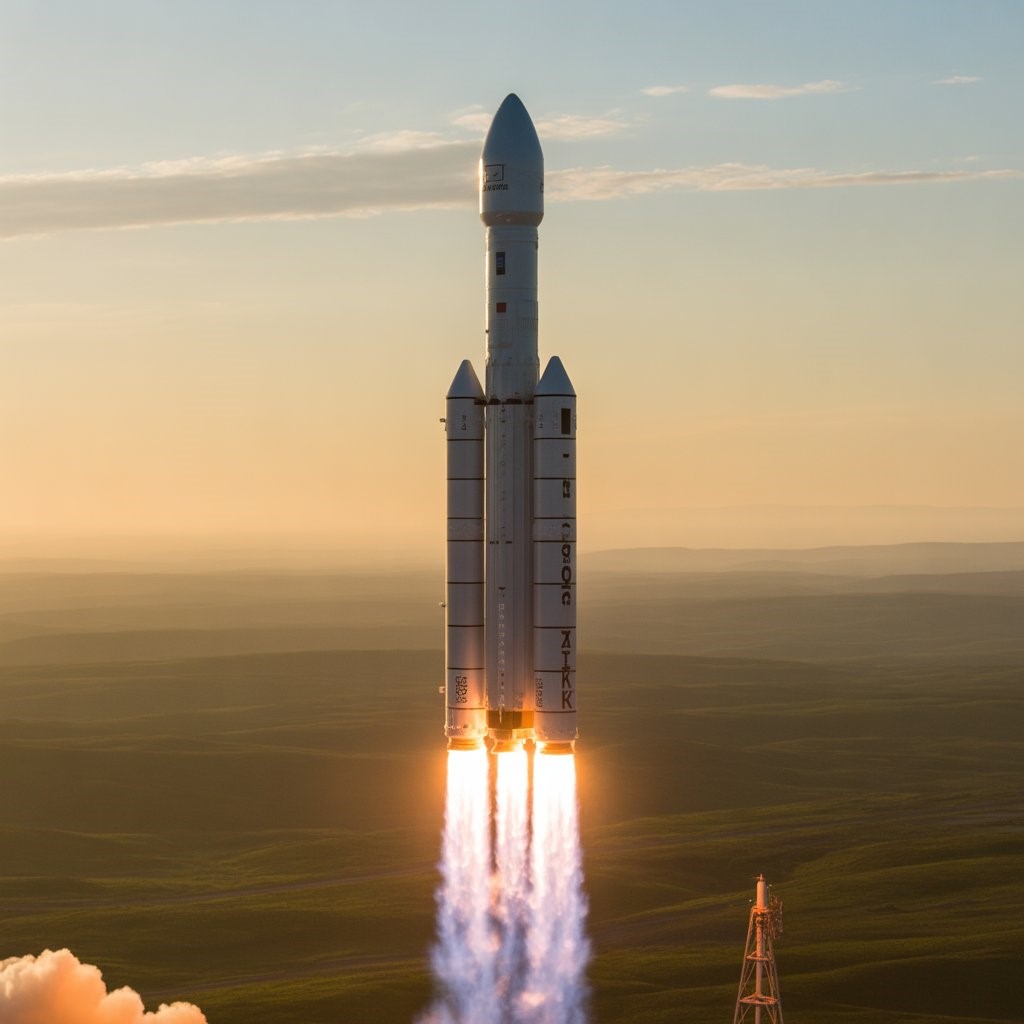
Διαστημικά Ταξίδια

Launch, Land, Repeat: How Reusable Rockets Are Revolutionizing Space Travel

Εκτόξευση, Προσγείωση, Επανάληψη: Πώς οι Επαναχρησιμοποιούμενοι Πύραυλοι Επαναστατούν στα Διαστημικά Ταξίδια

Τον Δεκέμβριο του 2015, ο Falcon 9 της SpaceX πέτυχε την πρώτη προσγείωση ενισχυτή σε τροχιακής κλάσης αποστολή. Το 2016, η SpaceX πέτυχε την πρώτη προσγείωση σε θαλάσσια πλατφόρμα. Τον Μάρτιο του 2017, η SpaceX επανεκτόξευσε έναν προηγουμένως προσγειωμένο ενισχυτή Falcon 9,
29 Αυγούστου, 2025

Technology News

  • CNN Partners with Kalshi to Bring Real-Time Prediction Market Data to News Coverage
    December 6, 2025, 7:36 AM EST. CNN has formed an official partnership with Kalshi, a prediction-market platform, to embed real-time market data into its journalism across TV, digital and social channels. The collaboration will show Kalshi's betting data as a live ticker and reference it when reporters discuss forecasts, with content spanning politics, weather, and other events. CNBC soon followed with a similar deal, promising future inclusion of exclusive prediction-market data in its programs. Critics warn that turning serious world events into gambling props risks trivializing crises, citing markets on famine in Gaza to potential military actions. Proponents say the data can illuminate and diversify coverage, but the ethics and impact on audiences remain hotly debated.
  • Nvidia CEO Huang: AI adoption will be gradual; robot apparel could shape the future
    December 6, 2025, 7:20 AM EST. During a Rogan interview, Nvidia CEO Jensen Huang said AI adoption will be gradual, not a sudden wave of layoffs. He argues the labor market will shift, with analysts who perform high-level interpretation-such as radiologists-being more resistant because AI complements rather than replaces expertise. Some jobs may disappear, but new roles could emerge, including technicians to build and maintain future AI assistants. Huang even predicts a future market for robot apparel, with a whole fashion industry for robots as they become more prevalent. The broader industry context includes Elon Musk's Optimus ambitions and studies like MIT's suggesting AI could automate roughly 12% of U.S. jobs. Huang's outlook remains cautious yet forward-looking, implying ongoing change rather than instant upheaval.
  • 8K Video Showdown: Galaxy S25 Ultra, Pixel 10 Pro XL, OnePlus 15 vs iPhone 17 Pro
    December 6, 2025, 7:18 AM EST. Video fans get a clear 8K vs 4K test across four phones: Galaxy S25 Ultra, Pixel 10 Pro XL, OnePlus 15, and iPhone 17 Pro. The S25 Ultra and OnePlus 15 shoot native 8K 30fps, while the Pixel 10 Pro XL reaches 8K only with Video Boost and cloud processing. The iPhone 17 Pro remains at 4K 30fps in this comparison. Across clips and cropped stills, 8K delivers better dynamic range and finer detail in some scenes, but YouTube compression still hurts overall quality. The Pixel's 8K processing produces a distinct look. The article concludes with side-by-side comparisons and cropped samples to show how each device handles exposure, contrast, and texture, clarifying whether 8K is worth chasing given modern viewing habits.
  • DJI pleads for US security review as NDAA drone ban deadline nears
    December 6, 2025, 7:08 AM EST. With the NDAA deadline of December 23 looming, DJI is appealing for a government-mandated security review of its drones and imaging gear. The company has sent letters to five US agencies-the DHS, DoD, FBI, NSA and ODNI-describing months of attempts to schedule the audit and warning that failure to act could push DJI onto the FCC's Covered List. That designation would block new DJI products from obtaining FCC equipment authorization, effectively barring sales in the US while existing products remain usable. The NDAA Section 1709 requires a security review of DJI and Autel Robotics tech; if no agency conducts the audit by the deadline, both firms are automatically listed. DJI cites the reliance of public safety fleets on its drones.
  • Is Nvidia the Most Vulnerable AI Stock If the AI Bubble Pops?
    December 6, 2025, 7:04 AM EST. Amid chatter of an AI stock bubble, Nvidia sits at the center as the single largest company by market cap and a heavy spender on AI infrastructure. The company derives about 90% of its revenue from the data center segment, powering AI workloads with GPUs. While other AI players and hyperscalers have real cash flows, Nvidia's exposure highlights potential vulnerability if AI spending slows. The piece notes that not all data-center demand is AI-only-cloud workloads and simulations still prop up earnings-but a pronounced drop in AI demand could ripple through Nvidia's growth story. Investors should weigh valuation against the risk of a bubble bursting and consider how diversification by customers and applications might affect resilience.