Automatizálás

The Autonomous Mobile Robot Revolution: How AMRs Are Changing Industry and Society

Az autonóm mobil robotok forradalma: hogyan változtatják meg az AMR-ek az ipart és a társadalmat

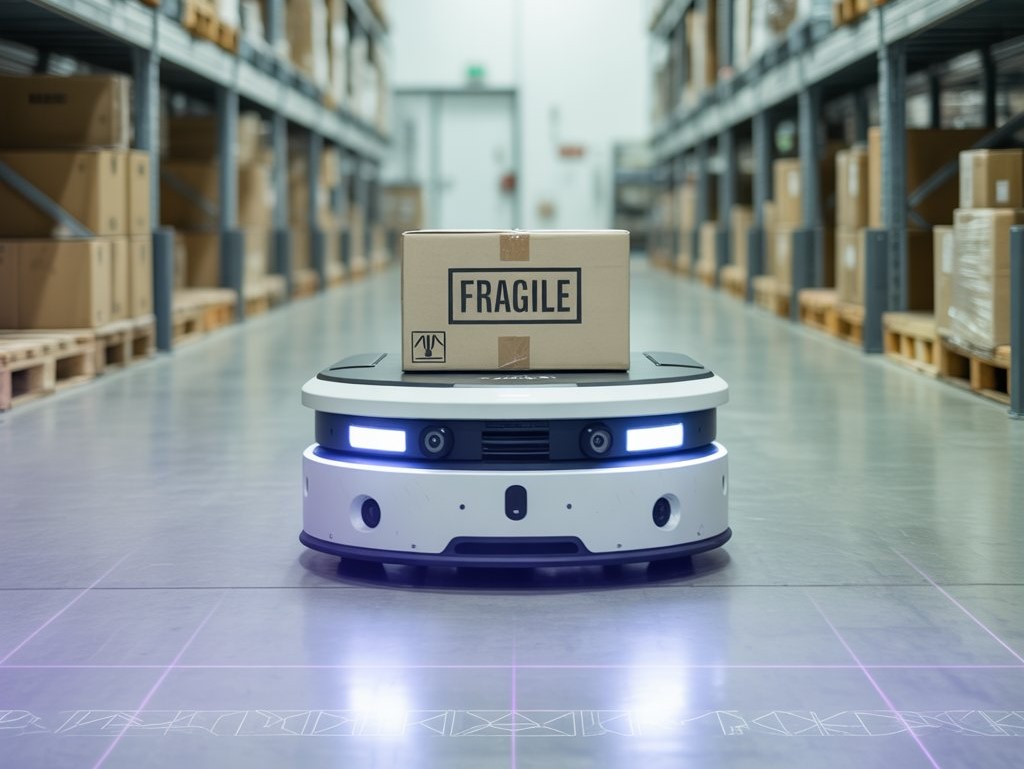
Az AMR-ek autonóm robotok, amelyek érzékelőkkel és mesterséges intelligenciával érzékelik, feltérképezik, tervezik és navigálják a környezetüket emberi beavatkozás nélkül. A hagyományos AGV-kkel ellentétben az AMR-ek maguk döntik el az útvonalukat, és valós időben dinamikusan képesek akadályokat kikerülni. A történelmi mérföldkövek közé tartozik
szeptember 4, 2025

Technology News

  • 4 Ways Leaders Can Implement AI Effectively, Says McKinsey-Backed Employment Nonprofit CEO
    December 7, 2025, 6:46 AM EST. A McKinsey-backed employment nonprofit CEO shares four practical routes for leaders to implement AI responsibly and effectively. The four approaches cover: (1) aligning AI initiatives with organizational strategy and measurable outcomes; (2) establishing strong data governance and ethics frameworks to address bias and privacy; (3) prioritizing change management and transparent communication to build trust; and (4) investing in upskilling the workforce and reskilling programs to enable sustainable adoption. The piece emphasizes pilots, governance, metrics, and continuous learning to ensure AI delivers value without compromising people or governance.
  • Amazon's Trainium3 mirrors Nvidia's GB200: modular racks and converging hyperscale architectures
    December 7, 2025, 6:30 AM EST. Amazon's Trainium3 UltraServer racks resemble Nvidia's GB200 NVL72 and AMD's Helios in both form and fabric. AWS has deployed Nvidia's GB200/GB300 racks; with Trainium4, blades can slide into the same MGX chassis, signaling a move toward a single modular rack architecture for hyperscalers. This aligns with how standards bodies like OCP were founded, and Nvidia's contribution of MGX designs; AMD and Meta also pushed a double-wide OpenRack-based approach with Helios. At Re:Invent, AWS described a Trainium3 blade that pairs a Graviton CPU with four Trainium accelerators and a pair of Nitro DPUs, another sign of converging compute. The 36 blades across two MGX-like racks use NeuronSwitch interconnects to couple 144 accelerators.
  • Meta's Dividend Debut and AI Pivot Could Reshape Its Investment Narrative
    December 7, 2025, 5:56 AM EST. Meta Platforms just declared a quarterly cash dividend of $0.525 per share while signaling a sharper pivot from Reality Labs' metaverse spend to AI-led product development. The move pairs a near-term cash return with a 30% cut in Reality Labs spending and a deeper bet on AI tools, wearables, and models like SAM 3, plus the Limitless acquisition. The shift could reshape Meta's investment narrative by boosting near-term profitability even as AI-related capex and opex risk outpacing revenue and pressuring free cash flow. While the dividend supports capital return, the main risk remains whether AI infrastructure spending yields commensurate top-line growth. If AI-enabled engagement and ad performance improve, Meta could realize valuation upside; if not, margins and balance sheet flexibility could come under pressure.
  • From steel to space: Jigang Group secures first satellites in bold pivot
    December 7, 2025, 5:48 AM EST. Jigang Group, once China's seventh-largest steel producer, is pivoting into the space era. The state-owned conglomerate has secured its first two satellite orders as part of a years-long transformation from forging metal to building hardware for the final frontier. Production is expected to begin this month at the new satellite-assembly base in Jinan, Shandong. No buyer names were disclosed. The shift was sparked by a 450 million yuan investment in 2023 to position Jigang in the aerospace supply chain. Officials say the base could produce up to 20 satellites per year, each around 500 kg, signaling a bold move into China's growing commercial space sector.
  • Prediction: Alphabet, Microsoft, and Amazon Could Overtake Apple in Market Cap in 3 Years
    December 7, 2025, 5:42 AM EST. Apple remains the largest company by market cap, but the article argues that Alphabet, Microsoft, and Amazon could surpass it within three years. It notes Alphabet's higher net income and faster growth in revenue and operating income, plus its AI push with TPUs and the strength of Google Ads as engines of upside. It argues Microsoft could pass Apple thanks to a dominant software business and a growing cloud platform fueled by AI demand. Amazon faces a tougher path-about $1.7 trillion behind-yet its AWS cloud unit has shown a recent revenue resurgence that could close the gap. Overall, the piece envisions a multi-year scenario where these tech giants gain ground on Apple through sustained growth and AI momentum.