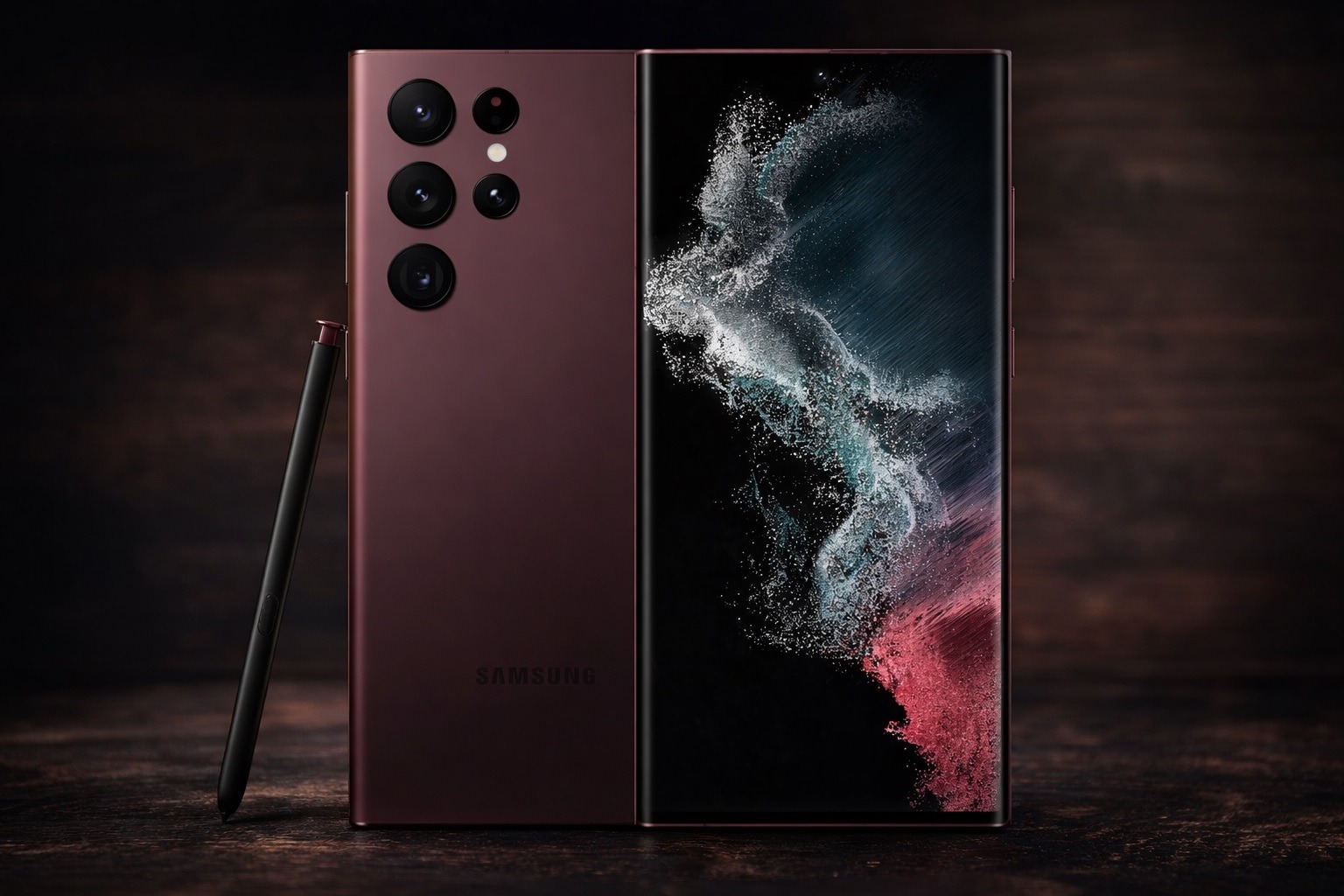
Samsung co-CEO TM Roh says Galaxy devices aren’t “immune” to the global memory crunch. TrendForce forecasts sharp DRAM and NAND price jumps in Q1 2026.
The “AI boom” is now showing up in the places consumers feel it fastest: the price of everyday tech. On Monday, Samsung’s mobile chief signaled that higher memory-chip costs could force price increases for future Galaxy devices—just as new industry forecasts point to another major jump in DRAM and NAND prices in early 2026. Reuters
That combination—surging demand from AI data centers, limited manufacturing capacity, and hardware makers stockpiling parts—has turned what used to be a behind-the-scenes semiconductor cycle into a front-page issue for smartphone buyers, laptop shoppers, and gamers.
Key takeaways from today’s developments
- Samsung says price hikes can’t be ruled out for upcoming Galaxy devices because memory-chip costs are rising and the shortage is “unprecedented,” according to comments from co-CEO TM Roh. Reuters
- TrendForce forecasts a steep Q1 2026 jump: conventional DRAM contract prices up 55–60% quarter-over-quarter, and NAND flash up 33–38% QoQ—with server DRAM projected to rise more than 60% QoQ and client SSDs up 40%+ QoQ. TrendForce
- The industry’s “memory pivot” toward AI is accelerating, as manufacturers prioritize high-margin HBM and enterprise DDR5 over consumer-grade chips used in phones and PCs. EE Times
- Hardware price increases are already landing: Asus confirmed “strategic price adjustments” starting January 5, 2026, citing AI-driven memory cost pressure. Tom’s Guide
Samsung: Galaxy devices aren’t “immune” — and prices could be next
In an interview with Reuters dated January 5, Samsung Electronics co-CEO T.M. Roh said the company is not insulated from the global memory-chip shortage—even though Samsung is also one of the world’s biggest memory suppliers. Roh said some impact from surging memory prices is “inevitable,” and he did not rule out raising prices for Galaxy devices. Reuters
Samsung’s message comes at a moment when the company is pushing harder on AI features across its product lineup. Roh told Reuters Samsung plans to double the number of mobile devices with “Galaxy AI” features to 800 million units in 2026 (up from roughly 400 million devices previously rolled out), reflecting how central on-device and cloud-connected AI has become to the smartphone race. Reuters
SamMobile’s reporting on Roh’s remarks framed the implications plainly for consumers: higher memory prices are already visible in the PC market, and “the impacts are likely going to be felt” in mobile devices as well. SamMobile
The real driver: a “Great Memory Pivot” toward AI data centers
What’s different about this cycle is not just demand—it’s where memory makers can earn the most money.
EE Times describes the market as splitting in two at the start of 2026: AI infrastructure is booming, while consumer electronics faces shortages and rising prices. The publication argues that wafer capacity is increasingly being directed toward high-bandwidth memory (HBM)—a key ingredient for modern AI accelerators—reducing the supply available for memory used in laptops, phones, and game consoles. EE Times
IDC makes a similar point in its analysis: major memory makers have shifted production toward AI data-center memory such as HBM and high-capacity DDR5, restricting supply for “general-purpose” memory and driving up prices across the board. IDC calls it a “zero-sum game” in which capacity allocated to AI stacks is capacity not available for consumer devices. IDC
Why can’t manufacturers just “make more”? Because expanding memory production (new fabs, cleanrooms, tooling, and yields) takes time. IDC says the shortage that intensified in late 2025 could persist well into 2027, in part because capacity can’t be added quickly enough. IDC
TrendForce’s January 5 forecast: DRAM +55–60% QoQ and NAND +33–38% QoQ in Q1 2026
TrendForce’s press-center update published today outlines just how severe the next pricing step could be.
According to TrendForce, suppliers are continuing to reallocate advanced nodes and new capacity toward server and HBM products to meet AI-server demand, and that shift is “significantly” limiting supply elsewhere. The result: conventional DRAM contract prices in 1Q26 are forecast to rise 55–60% QoQ, while NAND flash contract prices are expected to rise 33–38% QoQ. TrendForce
TrendForce’s forecast is especially sharp for enterprise and storage:
- Server DRAM: projected to climb more than 60% QoQ in 1Q26. TrendForce
- Client SSDs: contract prices expected to rise at least 40% QoQ, described as the largest increase among NAND product categories. TrendForce
And smartphones are not getting a pass. TrendForce says the “seasonal lull” doesn’t mean relief this time; mobile DRAM remains tight, and both LPDDR4X and LPDDR5X markets are expected to stay undersupplied—supporting higher prices. TrendForce
What it means for phones: higher prices, fewer “free” spec upgrades
Memory and storage aren’t glamorous, but they’re among the most expensive components in a smartphone.
IDC estimates that for mid-range smartphones, memory can represent 15–20% of the bill of materials (BOM), and around 10–15% for flagship devices. That’s why rising DRAM and NAND costs create hard choices: raise prices, cut specs, or compress already-thin margins. IDC
IDC also warns that one of the most consumer-friendly trends of the past decade—bringing “flagship-like” memory configurations down to cheaper phones—could reverse. In its downside scenarios for 2026, IDC projects the smartphone market could contract by 2.9% (moderate) to 5.2% (pessimistic), while average selling prices could rise 3–5% (moderate) or 6–8% (pessimistic). IDC
Samsung’s Roh, meanwhile, put the possibility of Galaxy price hikes into the mainstream conversation—without confirming any specific model pricing. Reuters
Rumor watch: Galaxy S26 pricing may vary by region
Alongside Roh’s comments, Galaxy S26 pricing rumors are heating up today.
SamMobile cites a South Korean report claiming Samsung may raise local Galaxy S26-series prices by roughly $30–$60, while potentially holding prices steady in key markets such as the United States. SamMobile notes Samsung has not officially confirmed these details. Treat this as unconfirmed until Samsung announces pricing. SamMobile
PCs and gaming: the “memory tax” hits DIY builders first
The PC industry is feeling the squeeze even faster than smartphones, because many configurations—gaming rigs in particular—assume higher RAM and storage “by default.”
IDC warns that in a pessimistic scenario, PC shipments could fall 8.9% in 2026 (4.9% in its moderate downside scenario), and average selling prices could rise 4–6% (moderate) or 6–8% (pessimistic). IDC also highlights the collision between this shortage and the push toward “AI PCs,” which often require more RAM—while memory is getting more expensive and harder to source. IDC
Some vendors are already moving: Asus confirmed price adjustments starting January 5, 2026, attributing the decision to cost pressure and supply volatility tied to AI-driven RAM demand. Tom’s Guide
And while the sharpest impact is often felt in enterprise procurement first, consumers see the shock quickly in gaming—where high memory configurations are the norm and price sensitivity is high. Tom’s Hardware
Why “stockpiling” makes the shortage feel even worse
When parts get scarce, manufacturers do what consumers do during shortages: they try to buy ahead.
EE Times reports that executives have publicly warned about unusually fast cost increases and that stockpiling memory chips is being used as a buffer—an approach that can also tighten the market further by pulling supply forward. EE Times
IDC similarly notes that inventory building and pre-ordering behavior can temporarily support shipments—but also reflects a market that expects pain ahead. IDC
What to watch next
With CES 2026 beginning January 6 in Las Vegas, the timing of today’s warnings is notable: many of the products announced this week will be priced against a rapidly changing memory cost curve. Tom’s Guide
Here are the most important “next signals” for consumers and industry watchers:
- More vendor price announcements (especially PCs and gaming laptops) as suppliers renegotiate component contracts. IDC
- HBM ramp updates from SK hynix, Samsung, and Micron—because HBM supply is increasingly the “gravity well” pulling capacity away from consumer memory. TrendForce
- Product “shrinkflation”: same price, but less RAM/storage (or slower upgrades) on entry and mid-tier devices, as brands try to protect price points. IDC
For buyers, the headline is simple: the cost of “invisible” components—RAM and storage—is becoming a visible factor in what you pay for your next phone, laptop, or gaming upgrade in 2026. TrendForce