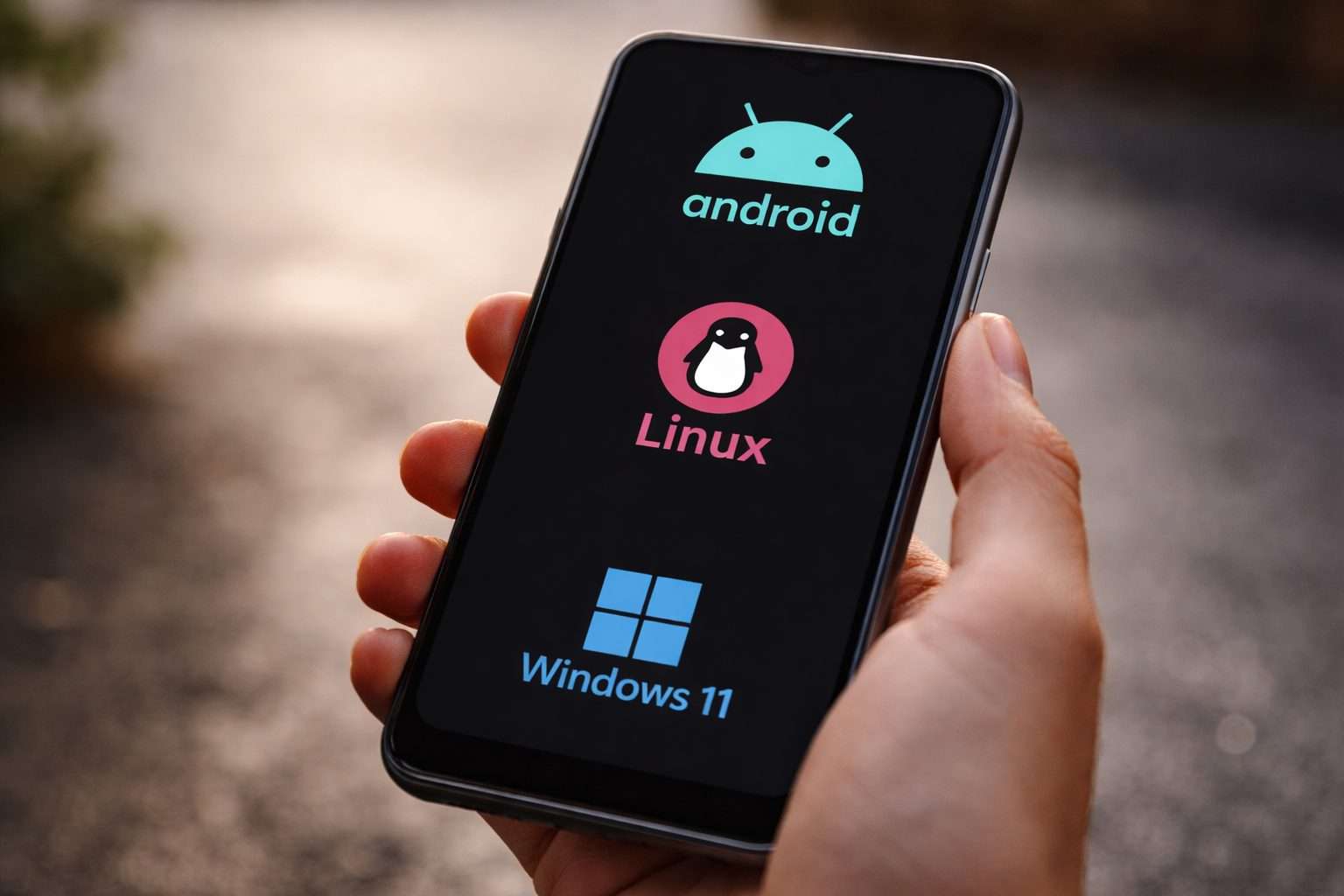

SAN FRANCISCO, January 28, 2026, 11:00 AM (EST) — The NexPhone, a dual-booting device capable of running Android, Linux, and Windows, is set to disrupt the tech landscape by blurring the lines between smartphones and personal computers. While similar ambitions have been attempted in the past, NexPhone’s unique approach could change the future of mobile computing.
The NexPhone’s hardware features powerful specifications, including a high-performance processor and expansive storage options, making it a promising candidate for both casual and professional users. Unlike traditional smartphones, it offers the flexibility of a desktop-like experience through Windows 11, which could appeal to users who have long desired a seamless integration of their mobile and computing devices.
This launch is significant as it marks a potential shift in how consumers perceive and use technology. With mobile devices traditionally confined to limited operating systems, NexPhone’s tri-boot system positions it as a versatile player, offering access to mobile apps, PC software, and a developer-friendly environment—all in one package. The timing is critical, as businesses and consumers alike are increasingly seeking flexible devices that offer productivity and mobility without compromising on performance.
Yet, this bold innovation is not without its risks. The integration of multiple operating systems could pose compatibility issues and raise concerns over battery life and performance optimization. Additionally, the high price point of such a multifunctional device could alienate a large segment of the mobile market, traditionally dominated by more cost-effective smartphones. If the device struggles to deliver on its promise of seamless user experience, NexPhone could face challenges in gaining mass adoption.
The device is also facing competition from companies like Samsung, which has already introduced products attempting to merge smartphone and desktop computing, such as the DeX platform. However, NexPhone’s combination of Windows, Linux, and Android in one device stands out as a potential game-changer in the rapidly evolving landscape of hybrid technology.
Analysts remain divided on whether the NexPhone can overcome these hurdles, but its potential for reshaping the future of portable computing is undeniable. The coming months will be crucial in determining whether this ambitious hybrid device can live up to its bold promises.