San Francisco, March 4, 2026, 04:22 PST
- Nvidia will invest $2 billion each in Lumentum and Coherent under multiyear optics agreements.
- The deals include multibillion-dollar purchase commitments and capacity rights for laser and optical networking components used in AI data centers.
- Wall Street is looking to Nvidia’s March GTC conference for more detail on the company’s roadmap and competitive positioning.
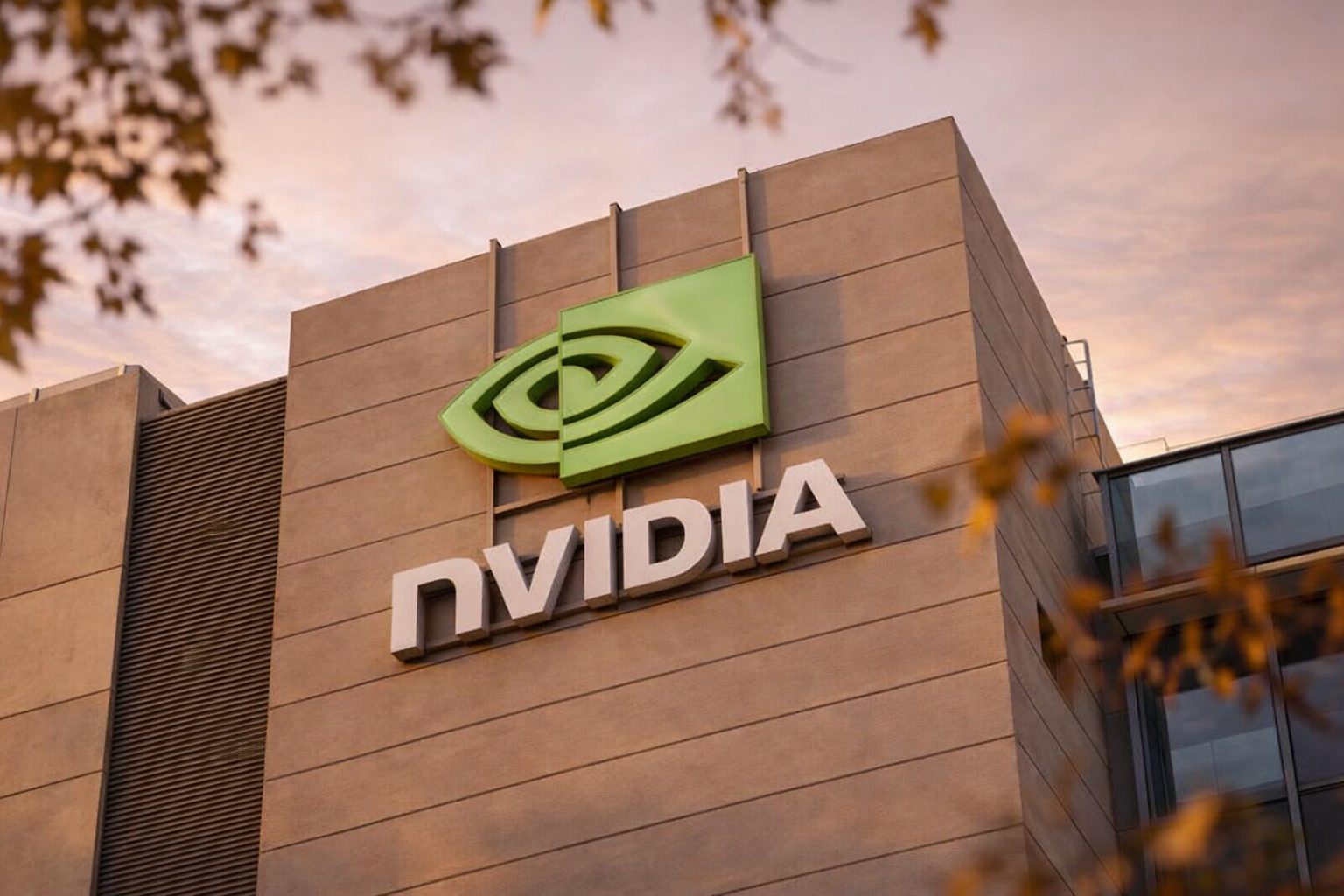
Nvidia Corp said it will invest $2 billion each in photonics makers Lumentum and Coherent, aiming to speed up the links that tie together its artificial-intelligence data-center systems. Shares of Lumentum and Coherent rose about 5% and 9%, respectively, on Monday after the announcements. 1
The move targets a problem that sits next to the GPU. Photonics uses light — via optical components such as lasers and transceivers — to move data faster and with less power than traditional electrical links, which can matter when AI workloads shift from training to “inference,” the day-to-day running of models to generate answers. 2
Nvidia’s supplier investments also underline a supply-chain squeeze that has spread beyond chips. Investopedia reported the company is using purchase commitments and direct funding to lock in future capacity for advanced lasers and optical networking gear needed to build out AI data centers at scale. 3
Coherent said its agreement with Nvidia is multiyear and nonexclusive, pairing a multibillion-dollar purchase commitment with access and capacity rights for advanced laser and optical networking products. “Computing has fundamentally changed,” Nvidia CEO Jensen Huang said in the statement; Coherent CEO Jim Anderson called the deal an expansion of a 20-year relationship. 4
Nvidia struck a similar arrangement with Lumentum, also nonexclusive, and said it will invest $2 billion to support research, future capacity and operations as the supplier builds out U.S.-based manufacturing through a new fabrication facility. Huang said the goal is the next generation of “gigawatt-scale AI factories” — large data centers designed to train and run AI models. 5
Nvidia plans to spotlight its broader systems push at its GPU Technology Conference, or GTC, in San Jose on March 16-19. The company said it expects more than 30,000 attendees from over 190 countries, with Huang set to deliver a keynote on March 16. 6
Some analysts are tying the optics spend to a wider confidence fight around Nvidia’s long-term edge. Morgan Stanley analysts named Nvidia their top semiconductor pick on Tuesday and called the stock’s valuation “a surprisingly good entry point,” while saying GTC could help ease market-share worries; they flagged AMD and Broadcom as faster-growing rivals this year from smaller bases. 7
The deals land just days after Nvidia reported record quarterly revenue of $68.1 billion and forecast first-quarter revenue of about $78 billion, keeping the company at the center of the AI spending cycle. 8
But photonics is not a switch Nvidia can flip overnight. If AI infrastructure spending cools or customers push harder into in-house chips and networking, the company risks funding capacity that takes longer to convert into shipped systems and profit.
For now, Nvidia is paying up to widen the pipeline for the parts that sit between chips, racks and data halls. The next test is whether it can translate those supplier checks into clearer product timelines — and fewer bottlenecks — as it heads into GTC.