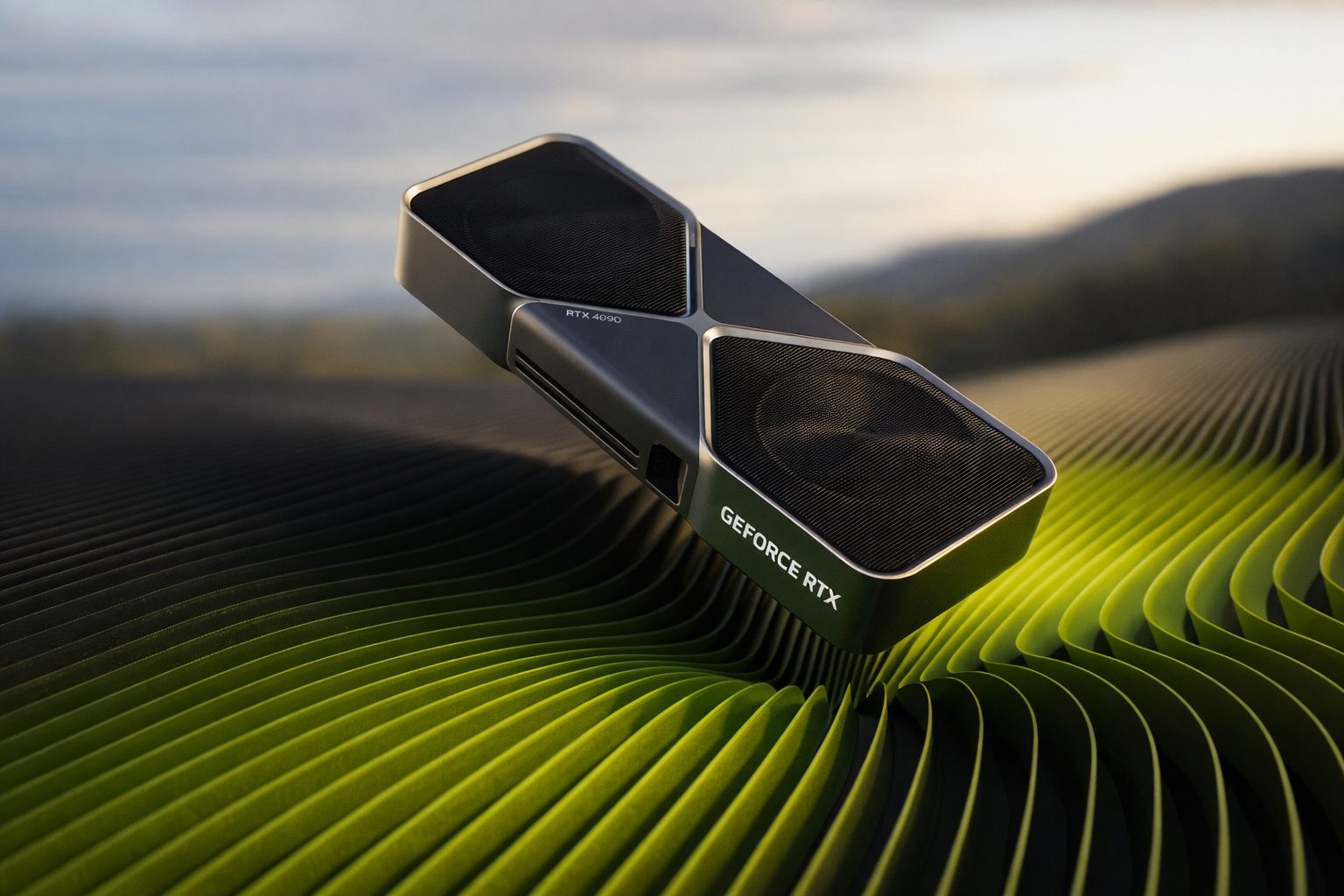

- Nvidia is rolling out an NVIDIA app update (version 11.0.6) that makes DLSS 4.5 Super Resolution officially available for all RTX GPU owners.
- The same update pulls more NVIDIA Control Panel features into the app, including NVIDIA Surround options like bezel correction and hotkeys.
- NVIDIA’s 6x Multi Frame Generation and Dynamic Multi Frame Generation features are still slated for RTX 50-series GPUs in spring 2026.
Nvidia is rolling out DLSS 4.5 to all GeForce RTX owners today through an update to the NVIDIA app, taking the feature out of beta and into the full release.
That’s a big shift because it moves Nvidia’s latest DLSS Super Resolution model from “early access” territory into something mainstream RTX owners can actually install without hunting for a beta build.
It also lands at a moment when Nvidia is still reshuffling where PC gamers manage graphics features: more and more of what used to live in the NVIDIA Control Panel is getting pulled into the NVIDIA app.
The Verge reports the new NVIDIA app update is version 11.0.6, and it includes DLSS 4.5 Super Resolution along with NVIDIA Surround settings.
On the DLSS side, Nvidia says DLSS 4.5 uses a second-generation Super Resolution transformer model aimed at improving image quality and reducing the artifacting seen in DLSS 4 — basically, the unwanted visual glitches that can show up during motion or around fine details.
Nvidia also says the updated model was trained on an expanded dataset, and it “should significantly improve” image clarity and stability when you’re using DLSS Performance or Ultra Performance modes.
Engadget notes that, starting today, anyone using the NVIDIA app with a GeForce RTX GPU can upgrade to the full release, with Nvidia describing the update as delivering sharper visuals and improved temporal stability (how steady the image looks frame-to-frame when things move).
Not everything branded “DLSS 4.5” is actually in your hands yet, though. Nvidia’s 6x Multi Frame Generation and Dynamic Multi Frame Generation modes are still planned for RTX 50-series GPUs, and Nvidia says those features won’t be available until spring 2026.
The app update isn’t just about DLSS. It also adds the remaining NVIDIA Surround settings from the older Control Panel, including bezel correction and hotkeys.
Nvidia has been gradually migrating Control Panel features into the NVIDIA app over the past couple of years, with the stated goal of merging the Control Panel and GeForce Experience into a single app.
Getting the update is straightforward — the NVIDIA app can update automatically, or you can manually download it — but Nvidia says you’ll also need the latest Game Ready driver to enable DLSS 4.5.
One thing to watch: this rollout depends on users being up to date on both the app and drivers, and Nvidia is still separating “what’s available today” from “what’s coming later,” especially around the RTX 50-series-only frame generation upgrades. For plenty of RTX owners, the immediate change is the Super Resolution model and the app’s expanding settings list — not the flashier multi-frame features that are still months out.