Dubai, March 2, 2026, 23:38 (UTC+4)
- Qatar halts LNG output after strikes at Ras Laffan and Mesaieed; supplies equal to about 20% of global LNG are in focus.
- Brent spikes above $82 a barrel before easing; Europe’s gas benchmark jumps more than 40%.
- Insurers pull war-risk cover and ships anchor near the Strait of Hormuz, tightening crude and LNG flows.
Qatar halted liquefied natural gas production on Monday after Iranian drone strikes hit sites at Ras Laffan and Mesaieed. State-owned QatarEnergy was preparing to declare force majeure — a contract clause that lets a supplier suspend deliveries after extraordinary events — on LNG shipments, sources said. In Saudi Arabia, a drone strike forced a precautionary shutdown of units at Aramco’s 550,000-barrel-per-day Ras Tanura refinery, and Verisk Maplecroft analyst Torbjorn Soltvedt called it “a significant escalation.” 1
The timing is awkward for buyers. Europe is still in late winter with gas storage 35% below its five-year average, and LNG cargoes are already tightly traded, Vortexa said. “There’s no spare capacity in the LNG market,” Vortexa’s Claire Jungman said. 2
At the centre is the Strait of Hormuz, the narrow exit from the Gulf that has long been the world’s biggest oil transit chokepoint. More than 20 million barrels a day of crude, condensate and fuels moved through it last year on average, graphics data citing Vortexa showed, and Qatar sends almost all of its LNG the same way. 3
Oil and gas prices surged as trading opened after the weekend. Brent crude rose as much as 13% to $82.37 a barrel before easing to $77.79 by 1606 GMT, while U.S. WTI was up 5.8% at $70.89. The Dutch TTF hub — Europe’s main gas benchmark — was up more than 40% at 45.38 euros per megawatt hour, and Global X analyst Kenny Zhu said the near-term result would be “heightened volatility” and rerouted cargoes. 4
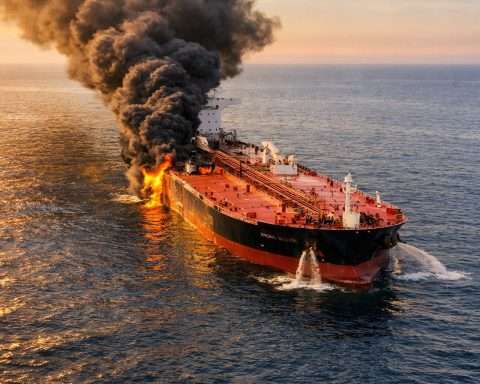
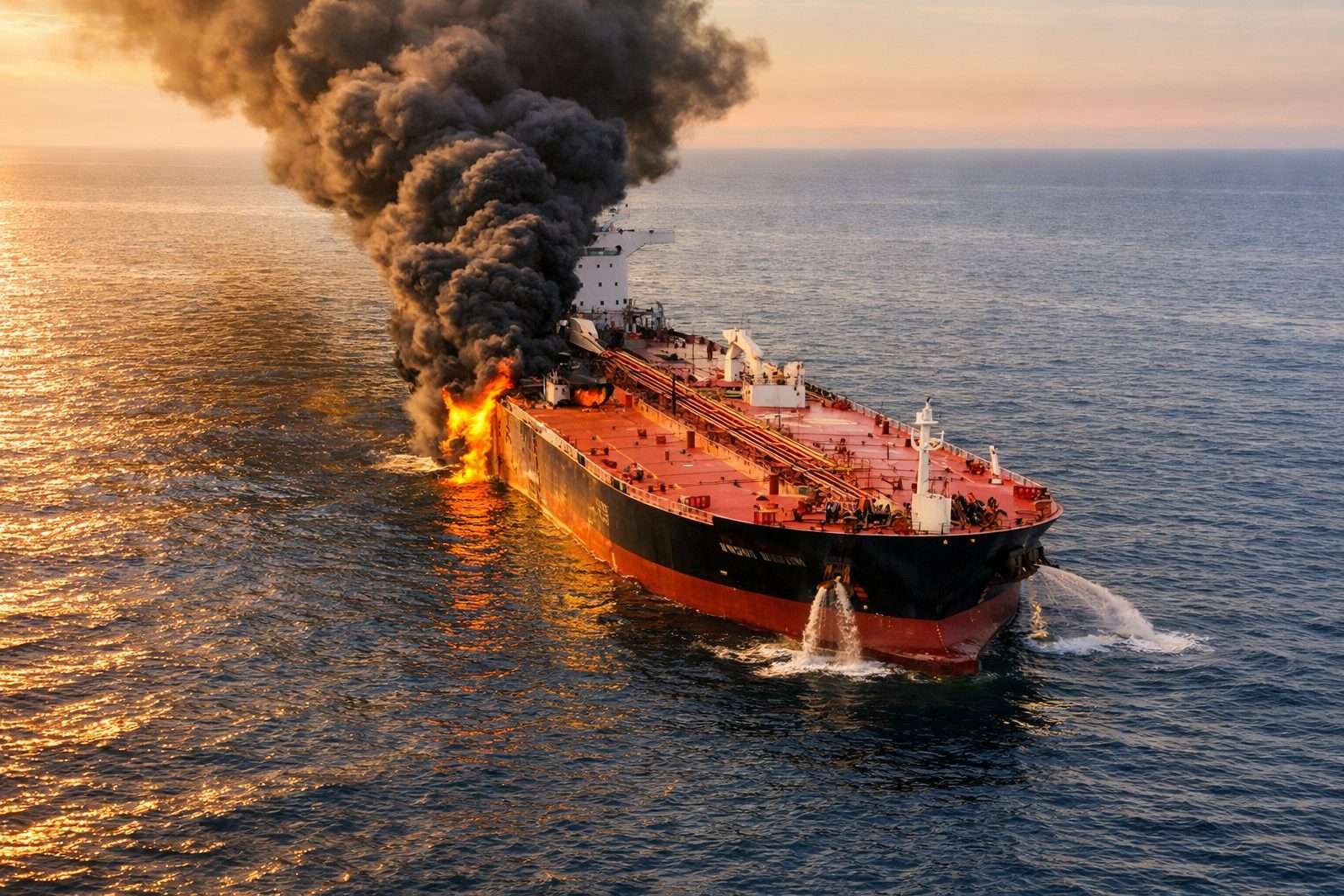
The crisis has also become an insurance and logistics fight. Marine insurers began cancelling war-risk cover — extra insurance for conflict zones — for the Gulf and nearby waters, effective March 5, brokers and industry sources said. At least five tankers have been damaged, two people killed and about 150 ships stranded near the strait, while war-risk premiums have jumped to as much as 1% of a vessel’s value; “It’s a de facto close,” Vessel Protect’s Munro Anderson said. 5
Shipping firms have been warning crews away from the area. The International Maritime Organization urged “maximum caution” and said vessels should avoid transiting the strait where possible, while Maersk said it was halting passage through both Hormuz and the Suez Canal. 6
Qatar accounts for about 20% of global LNG exports and ships all of it through Hormuz, with production and export infrastructure concentrated almost entirely at Ras Laffan, about 80 km northeast of Doha. QatarEnergy shipped 80.97 million metric tons of LNG in 2025 and plans to lift capacity to 142 million tons a year by 2030 from 77 million now, while majors including Exxon Mobil, Shell and TotalEnergies are investors in Qatari LNG. 7
U.S. LNG exporters are positioning for the scramble for replacement cargoes. Venture Global, which says it has the world’s biggest pool of uncontracted LNG cargoes, is ready to help stabilise markets, CEO Mike Sabel told an earnings call. Higher prices would help its margin, he said, even as the company prefers lower long-term prices to keep demand growing. 8
Asian buyers are already feeling the squeeze. Asia gets about 60% of its oil from the Middle East, and some crude tankers bound for Japan are waiting in the Gulf rather than risk Hormuz, Japan’s Chief Cabinet Secretary Minoru Kihara said. Citi analysts said Iran had not officially shut the strait, but “risk aversion from shippers is a real phenomenon” as transit volumes fall. 9
But the spike could fade if facilities restart quickly and ships resume crossings, or if the conflict stays contained. “It doesn’t seem like investors are panicking or predicting a worldwide economic collapse,” Northlight Asset Management’s Chris Zaccarelli said, though a drawn-out war could reignite inflation and hit demand. 10
Iran’s regional strikes followed U.S. and Israeli air attacks over the weekend that killed Iran’s Supreme Leader Ali Khamenei, Iranian state media said, pushing the region into its most serious confrontation in decades. 11